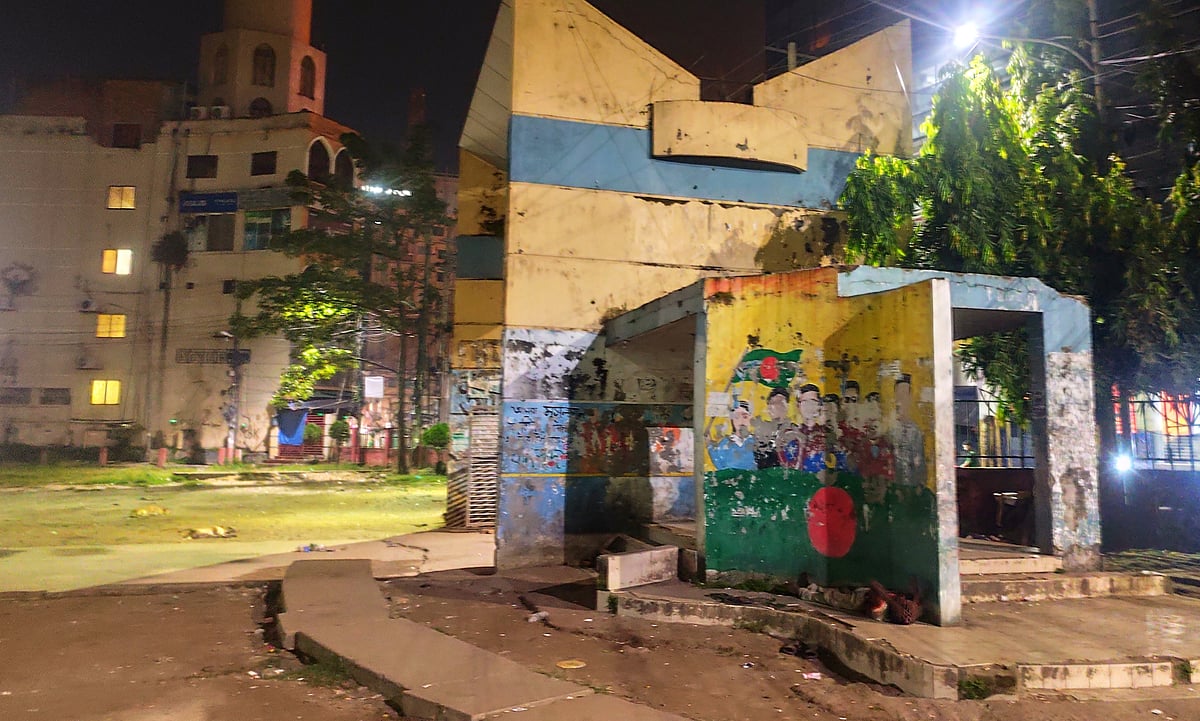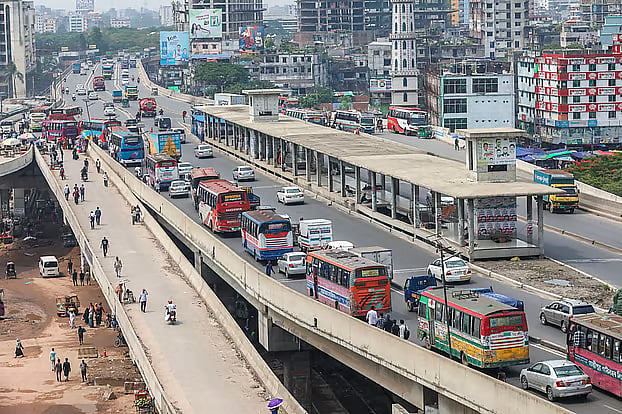
The Airport-Gazipur Bus Rapid Transit (BRT) project, which remained stalled for over a decade, has finally been cancelled by the interim government. During a cabinet meeting chaired by Prime Minister Tarique Rahman on October 18, it was decided that the existing infrastructure, including stations and lane dividers, would be dismantled to convert the corridor into a standard highway. This decision marks a somber end to a project that has become a symbol of systemic failure in national infrastructure development.
When the Executive Committee of the National Economic Council (ECNEC) first approved the project in 2012, the estimated cost was approximately Tk 20.4 billion, with a completion target of 2016. However, through three subsequent revisions, the costs ballooned to Tk 42.68 billion. In 2025, when a fourth revision proposal sought to increase the budget to Tk 65.98 billion, the interim government rejected it. By that time, Tk 28.11 billion had already been spent, yet the project failed to deliver a single operational bus on the dedicated route.

The project was heavily reliant on foreign financing, with the Asian Development Bank (ADB) providing a $260 million loan and the French Development Agency contributing €40 million. Despite the cancellation, the state remains obligated to repay these loans with interest. The lack of transparency regarding the actual disbursement and utilization of these funds remains a point of contention, as the public has yet to see a clear accounting of the massive expenditure.
Beyond the financial catastrophe, the human cost of the project has been devastating. The prolonged construction period and poor safety management resulted in the tragic loss of seven lives. For years, commuters endured immense suffering due to persistent traffic congestion and hazardous construction zones. This failure has sparked widespread public frustration regarding the lack of oversight in national development projects.
Analysts argue that shifting the blame solely onto political regimes is insufficient. True accountability must extend to the planners, consultants, and officials who certified the project's feasibility and oversaw its implementation. Without a rigorous mechanism to hold these stakeholders responsible for their professional negligence, the cycle of wasted resources and failed infrastructure is likely to continue. The collapse of the BRT project serves as a critical reminder that development must be grounded in realistic planning and strict institutional accountability.