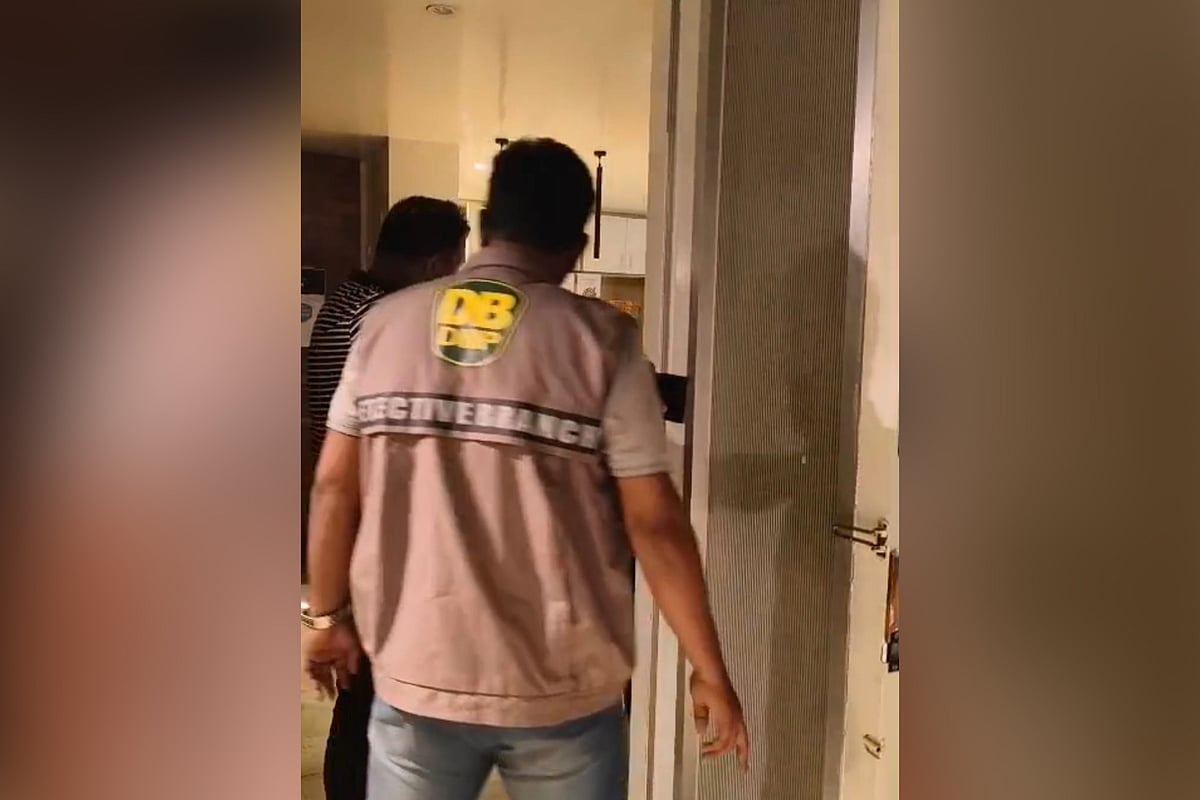
A late-night operation conducted by a team from the Detective Branch (DB) at a residential building in the capital's Vatara area has led to the arrest of 85 individuals, including 26 women. The raid, which lasted nearly three hours from 2:30 AM to 5:30 AM, immediately drew widespread public attention and media scrutiny, primarily because the three-story building belongs to a senior police official. The high-profile nature of the raid generated intense discussions across various circles regarding law enforcement protocols and internal accountability.
Initially, participating DB officials claimed that the residence had been a hub for illegal drug consumption and DJ parties over an extended period. They publicly stated that a massive cache of alcohol, cannabis, yaba, and drug paraphernalia had been seized from the premises. However, a stark contradiction emerged when the formal seizure list compiled by the detectives was reviewed. The inventory revealed only a handful of items: an empty 750ml bottle of locally made whisky, a 1-liter bottle of Indian Royal Stag containing roughly 500ml of alcohol, a 1-liter bottle of Smirnoff vodka with about 200ml remaining, another Indian whisky bottle, a single yaba tablet, a negligible amount of kush, and some smoking gear. The vast discrepancy between the initial claims of a massive drug bust and the actual meager recoveries has surprised many within and outside the police administration.

In the wake of this controversial operation, the owner of the house, Additional Deputy Inspector General (DIG) Abdullah Al Zahir, was promptly relieved of his active duties. He has been attached to police headquarters, effectively placing him in an OSD (Officer on Special Duty) status. Prior to this incident, DIG Zahir was serving in the maintenance and repair branch of the police headquarters. The sudden turn of events surrounding his residence and the underwhelming recovery list have sparked intense speculation and debate regarding the motives and execution of the raid.
The considerable gap between the dramatic narrative presented during the raid and the actual findings has raised critical questions about operational transparency. Detaining nearly a hundred people based on what ultimately amounted to a few personal consumption bottles has drawn skepticism from observers and legal experts alike. Analysts suggest that this incident underscores potential communication gaps and procedural anomalies within specialized law enforcement units.
As administrative evaluations continue, the fallout from this operation is expected to prompt closer internal reviews within the police establishment. The future trajectory of DIG Zahir's career hangs in the balance pending formal departmental inquiries into the circumstances surrounding the raid. Meanwhile, civil society and observers continue to monitor the developments closely, emphasizing the need for strict adherence to due process and objective evidence in high-profile law enforcement actions.