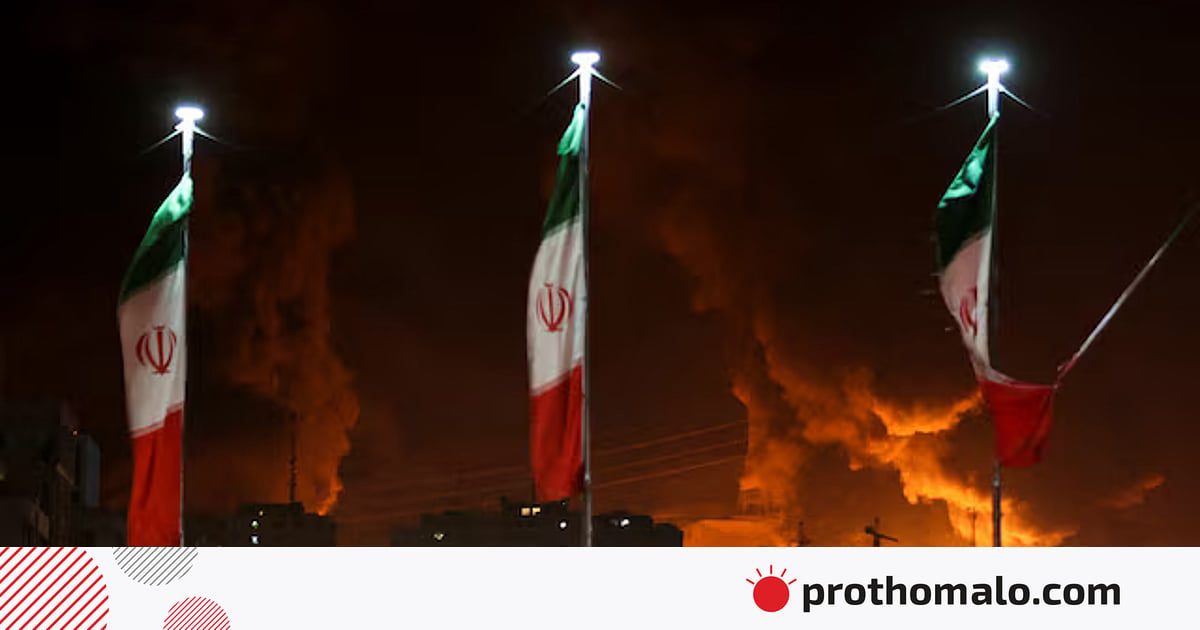
Iran has already weathered two rounds of major attacks and successfully survived, demonstrating that the country still retains robust retaliatory capabilities. Tehran is capable of striking not only Israel but also neighboring Gulf states that host vital United States military installations.
Israeli Prime Minister Benjamin Netanyahu has stated that overthrowing the Iranian government is his country's "primary objective." With national elections scheduled in Israel for next week and recent opinion polls showing a dip in support for Netanyahu, he hinted at launching fresh strikes against Iran while making these remarks.

According to analysts, while Israel possesses the military capability to inflict severe damage on Iran, it lacks a clear, strategic roadmap on how to translate military success into the overthrow of the Iranian regime. Achieving this goal through airstrikes alone is highly unlikely, whereas a ground invasion would demand massive military preparation and overwhelming force.
Furthermore, without direct US assistance, it would be extremely difficult for Israel to strike heavily fortified Iranian arms depots hidden beneath mountainous terrain. Israel simply lacks the specific bunker-busting capabilities and military assets that the United States possesses for such heavily fortified targets.
Last Sunday, Prime Minister Netanyahu held discussions with US President Donald Trump, and US Defense Secretary Pete Hegseth subsequently visited Israel. It was shortly after these high-level engagements that Netanyahu publicly raised the prospect of toppling the Iranian government. However, he gave no indication as to whether the United States has agreed to participate in a renewed offensive against Iran, nor did he clarify whether Washington would join any campaign aimed at dismantling the Iranian leadership.