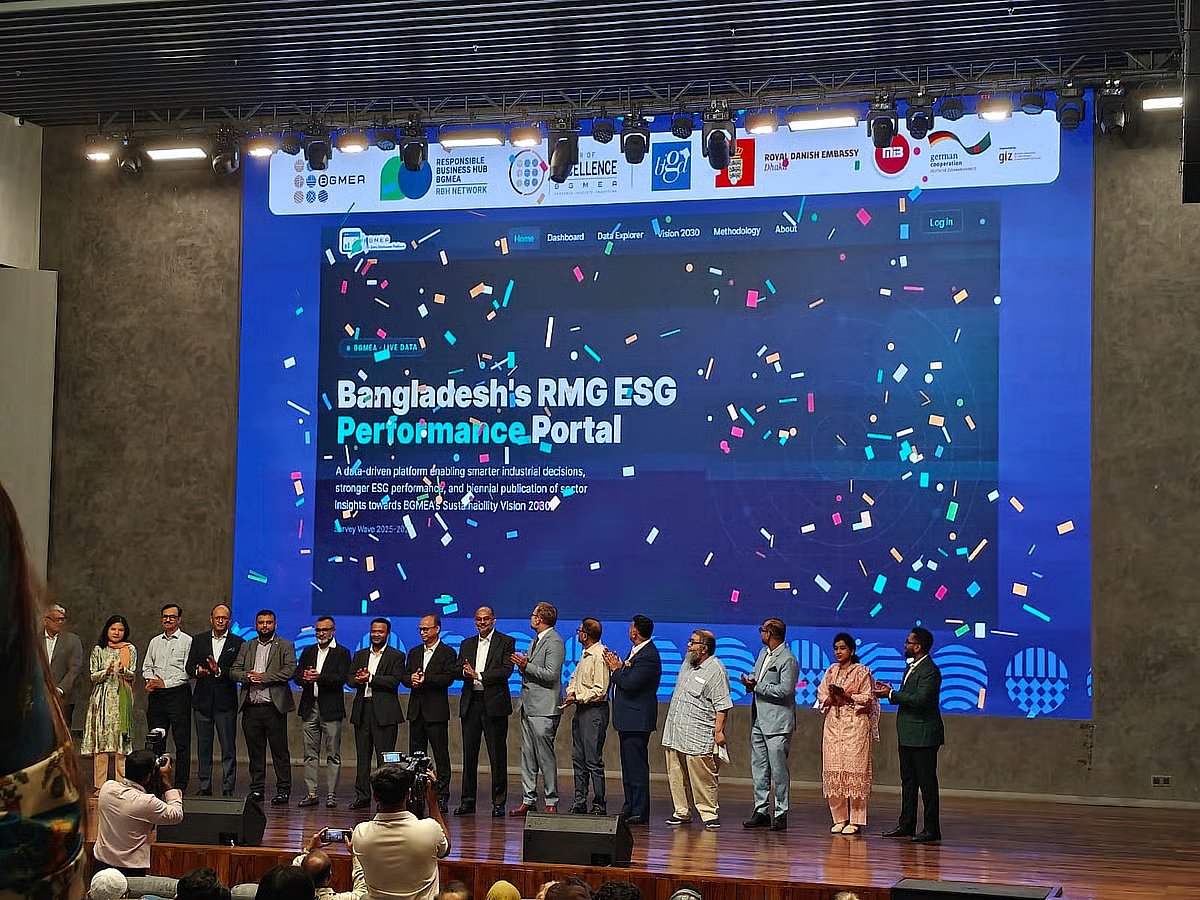
The protracted geopolitical crisis in the Middle East has exerted severe pressure on Bangladesh's national energy sector, driving up import costs significantly. According to Rashed Al Mahmud Titumir, the Prime Minister’s Adviser on Finance and Planning, the country had to incur an additional expenditure of USD 4.12 billion over the past eight months solely to sustain energy supplies amidst volatile global markets. Titumir revealed this critical information on Monday while addressing an event hosted by the Bangladesh Garment Manufacturers and Exporters Association (BGMEA) at their complex in Uttara, Dhaka.
The high-profile event marked the official launch of a pioneering monitoring platform designed to oversee environmental, social, and governance (ESG) practices across garment factories, thereby strengthening their compliance capacities. During the inaugural session, it was announced that an initial cohort of 326 manufacturing companies has already registered for the initiative. Despite the mounting fiscal pressures on the energy front, Titumir highlighted that strategic efforts are underway to transform the Matarbari coastal region into a regional energy hub to secure long-term stability.

Emphasizing the shifting paradigms of global commerce, the finance adviser noted that competing in international export markets merely on the basis of low-cost production is no longer a viable or sustainable strategy. Strict adherence to rigorous environmental and workplace standards has become an absolute prerequisite for safeguarding the future of coming generations. The event drew several prominent figures, including M Masrur Reaz, chairman and CEO of Policy Exchange Bangladesh; Munshi Sulaiman, research director at the BRAC Institute of Governance and Development; and Christian Brix Møller, Ambassador of Denmark to Bangladesh, who all underscored the critical importance of sustainable industrial growth.
Energy experts point out that continued disruptions in Middle Eastern supply chains threaten to inflate liquefied natural gas and petroleum procurement costs, posing persistent risks to foreign exchange reserves. In response, policymakers are accelerating structural adjustments and exploring alternative energy sources to insulate the domestic economy. The rollout of the BGMEA ESG platform represents a crucial milestone for the apparel industry, promising to enhance transparency, bolster international compliance, and reinforce the global competitiveness of Bangladesh's flagship export sector.