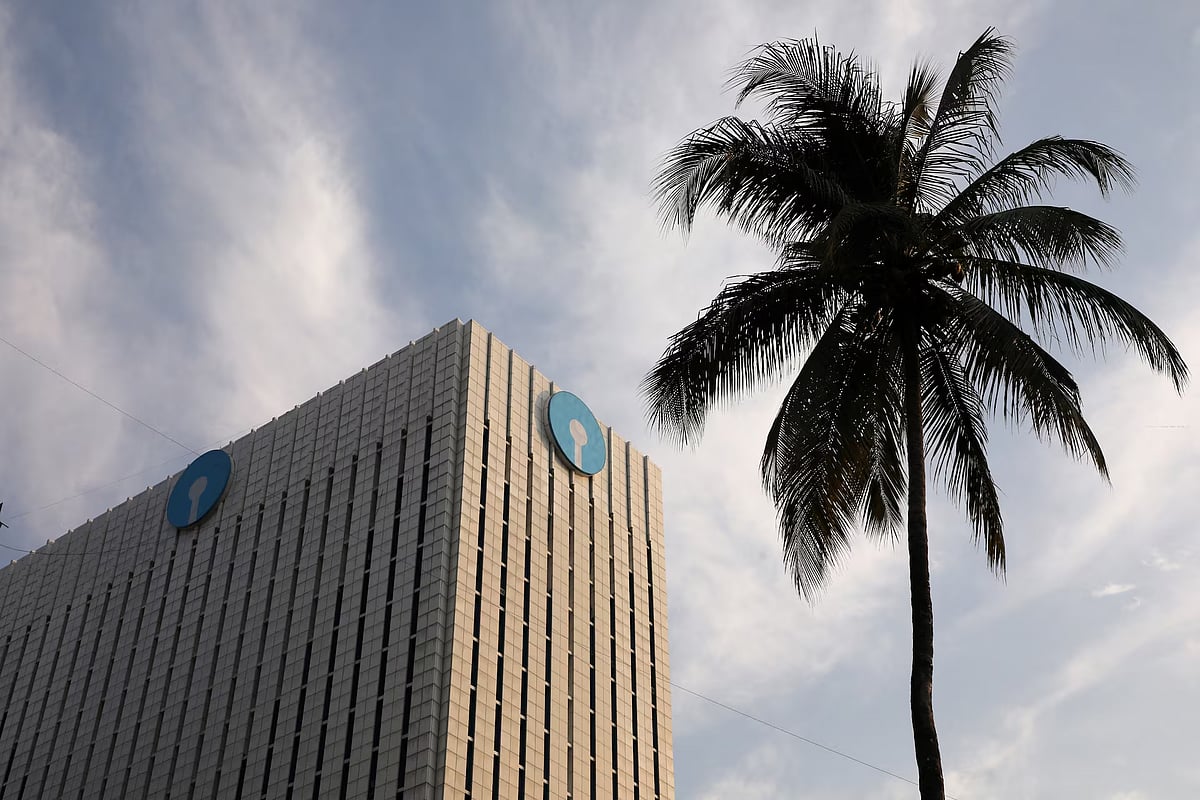
The State Bank of India (SBI), the country's premier public sector lender and one of the largest financial institutions globally, has reportedly faced a cyberattack. A hacker group identifying itself as 'Serious' has claimed control over confidential customer data, triggering widespread concern regarding digital security in India's banking sector. According to reports, the compromised information includes sensitive personal details of customers, loan applications, account opening documents, and other related records, raising serious questions about data protection mechanisms in major financial hubs.
In response to the escalating crisis, State Bank of India issued an official statement acknowledging the breach. The bank confirmed that individual customers impacted by the data exposure have been directly notified through emails and messaging platforms, including WhatsApp. At the same time, the management strongly reassured the public, stating that all customer accounts and deposit funds remain entirely secure and unaffected by the incident. With a massive customer base exceeding 500 million, SBI stands as India's largest and the world's third-largest bank, making any potential data compromise a matter of profound national significance.

The breach initially came to light through cybersecurity monitoring handles on social media, notably an account named 'CyberPulse56'. According to initial findings, approximately 380,000 data points associated with the state-owned lender were allegedly leaked or compromised. The claims first surfaced on October 16, pointing toward the hacker group's involvement in exposing residential addresses, contact details, loan processing documents, and personal identification records belonging to bank users.
While SBI has partially acknowledged the data exposure, specialized cybersecurity teams and digital forensics experts have been deployed to evaluate the depth and breadth of the security breach. As digital banking continues to expand rapidly, incidents of this magnitude highlight the urgent need for robust cybersecurity frameworks across premier financial institutions. Regulatory bodies and stakeholders are closely monitoring the developments as the bank works to reinforce its digital defenses and mitigate further risks.