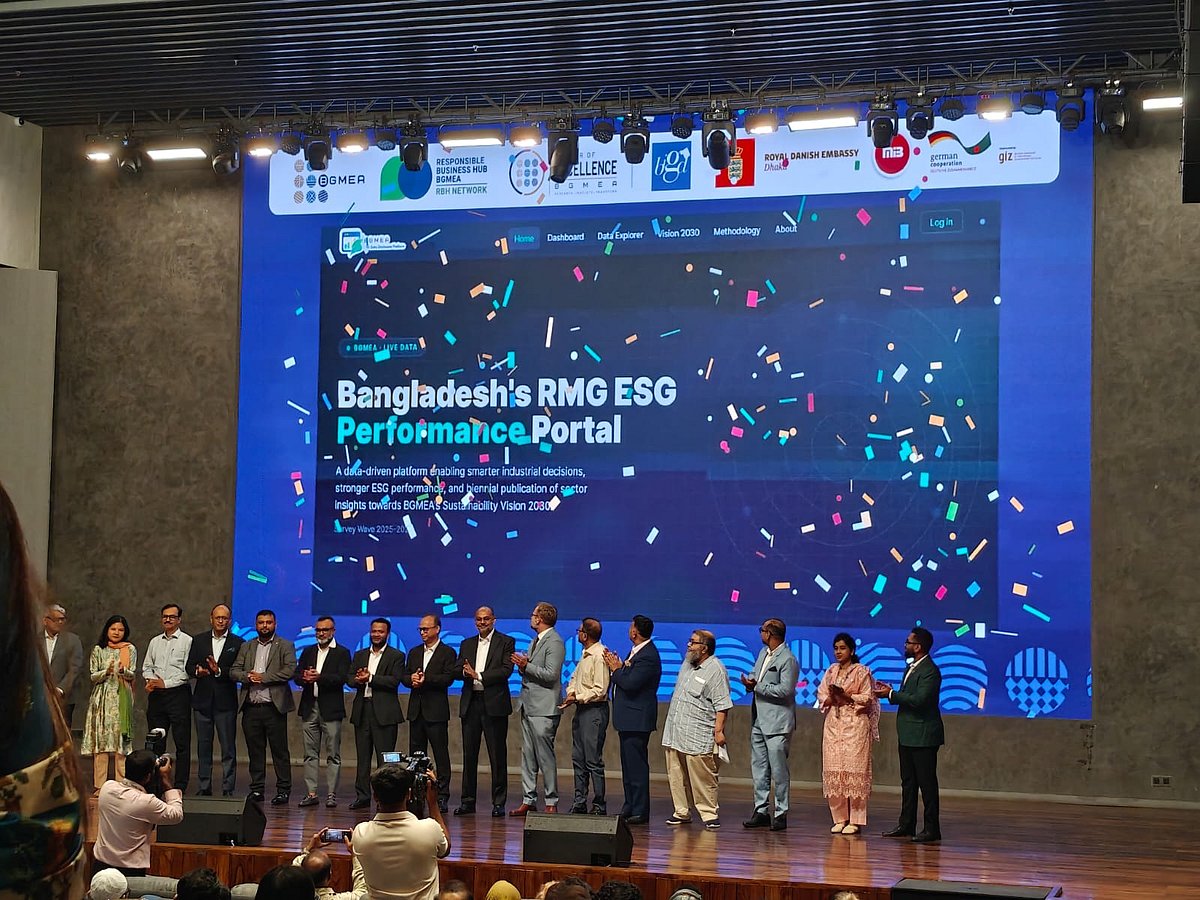
The ongoing geopolitical instability in the Middle East has placed significant financial strain on Bangladesh's energy sector. Rashed Al Mahmud Titumir, Advisor to the Prime Minister on Finance and Planning, revealed that the country has incurred an additional $4.12 billion in energy import costs over the past eight months. Speaking at an event held at the BGMEA Complex in Dhaka, the advisor highlighted that disruptions in the global energy supply chain have created substantial fiscal pressure on the national economy.
To address these challenges, the government is focusing on long-term strategic planning. Advisor Titumir announced that initiatives are underway to transform the Matarbari region into a comprehensive energy hub, which is expected to play a pivotal role in ensuring future energy security. He further emphasized that the government has undertaken various reform programs to improve the investment climate, including ensuring a five-year consistency in tax policies. This policy stability is considered essential for restoring investor confidence and maintaining economic equilibrium.

The event was organized to launch a new platform aimed at monitoring and enhancing Environmental, Social, and Governance (ESG) standards within the ready-made garment (RMG) sector. Initially, 326 garment factories have joined this initiative. Titumir stressed that in the current global market, competing solely on price is no longer sufficient; adhering to environmental standards is now a prerequisite for survival. He noted that complying with ESG criteria is vital for building a sustainable industrial sector for future generations.
BGMEA President Mahmud Hasan Khan stated that following ESG guidelines has now been made mandatory for all member factories. The event was attended by notable figures, including M. Masrur Reaz, Chairman of Policy Exchange Bangladesh; Munshi Sulaiman, Research Director at the BRAC Institute of Governance and Development; and Christian Brix Møller, the Ambassador of Denmark to Bangladesh. The speakers collectively underscored the importance of elevating Bangladesh's garment industry to meet global standards.
In conclusion, Advisor Titumir reiterated the government's commitment to industrial reform. He stated that creating a transparent and consistent policy framework for investors remains a top priority. Balancing the increased energy costs while maintaining industrial production and strengthening Bangladesh's position in the export market is the government's primary objective. He expressed optimism that these reform processes would lead to a more robust and resilient economy in the long run.