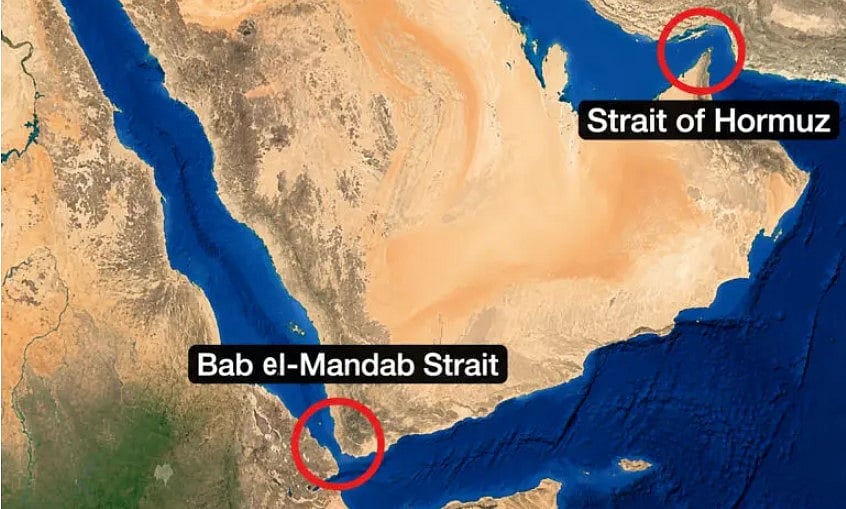
The escalating geopolitical tensions surrounding the Strait of Hormuz and the Bab el-Mandeb strait have once again cast a shadow of uncertainty over global energy supplies. As two of the world's most critical maritime chokepoints, any prolonged deadlock or disruption in these vital waterways threatens to trigger soaring crude prices, inflate transportation costs, disrupt supply chains, and exert immense pressure on import-dependent economies. For a developing nation like Bangladesh, this unfolding crisis transcends mere import cost escalations; it is intrinsically linked to foreign exchange reserves, industrial output, and long-term national development trajectories.
Faced with the most severe test of the international energy architecture since the oil embargoes of the 1970s, global markets are grappling with unprecedented vulnerabilities. The brewing tensions involving threats of retaliatory measures in the Persian Gulf, Houthi activities in the Red Sea, and strategic rivalries over the Bab el-Mandeb corridor have plunged global energy logistics into chaos. According to data from the US Energy Information Administration and S&P Global, millions of barrels of oil and liquefied natural gas traverse these strategic corridors daily, meaning even minor regional flare-ups send shockwaves through international markets.

In this volatile landscape, energy security has evolved from a purely commercial metric into a cornerstone of national security and macroeconomic stability. The crisis management strategies demonstrated by major producers like Saudi Arabia offer critical lessons. By establishing alternative transport corridors such as the East-West pipeline bypassing the Strait of Hormuz to reach Red Sea terminals, Riyadh has showcased how geopolitical flexibility and diversified logistics can mitigate regional shocks.
For import-reliant nations like Bangladesh, adopting similar proactive paradigms is no longer optional. Relying heavily on imported fossil fuels exposes the domestic economy to external vulnerabilities that could deplete foreign reserves and cripple manufacturing sectors. Therefore, accelerating domestic hydrocarbon exploration, enhancing offshore drilling capabilities, and expediting local resource extraction must be treated as national priorities.
Simultaneously, long-term resilience demands aggressive investments in renewable energy sources, including solar and wind power, to diversify the national energy mix. Strengthening diplomatic and strategic cooperation with traditional energy partners in the Middle East will also be vital to securing preferential supply arrangements during global crunches. Only through a comprehensive strategy combining domestic exploration, renewable transition, and robust international diplomacy can Bangladesh safeguard its future economic growth against external energy shocks.