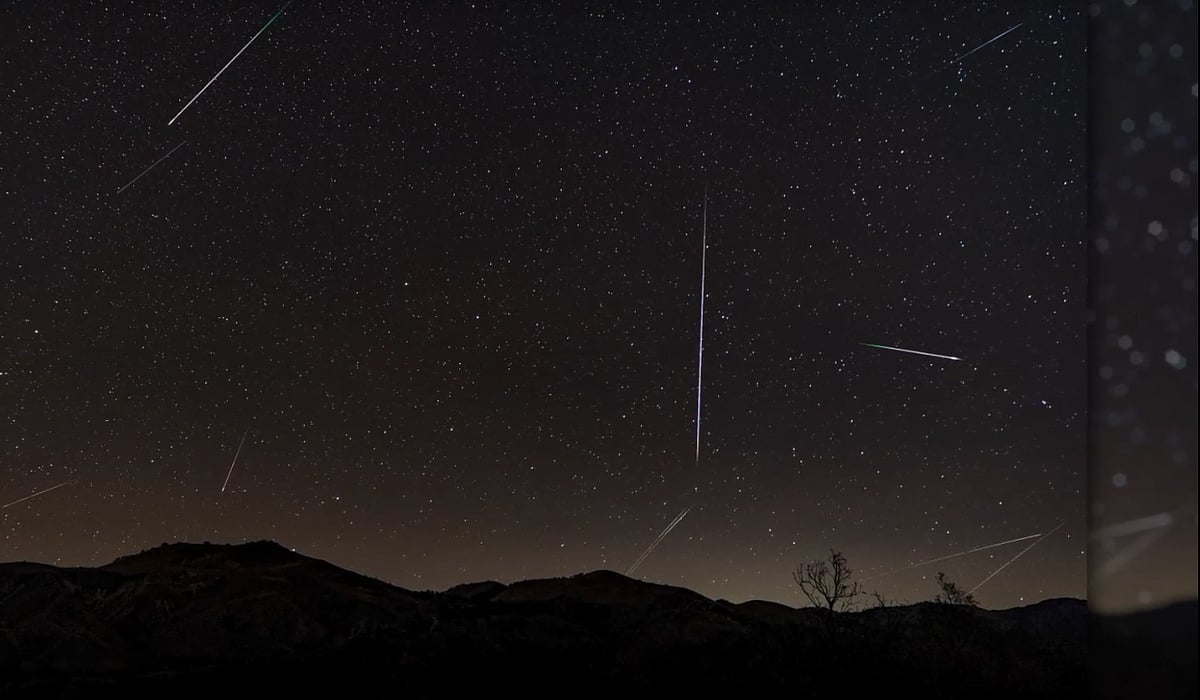
Stargazers around the world, including in Bangladesh, are in for a breathtaking celestial treat as the Orionid meteor shower reaches its peak tonight and tomorrow. Caused by Earth passing through the debris trail left behind by the legendary Halley's Comet, this annual astronomical event never fails to captivate astronomy enthusiasts and casual observers alike. The meteors appear to radiate from the constellation Orion, earning them the name Orionids, and are known for their exceptional speed and brightness.
Halley's Comet, which completes an orbit around the Sun roughly every 76 years and is expected to return to our skies in 2061, sheds cosmic dust and particles along its path. When Earth intersects this debris field every October, the particles burn up in our atmosphere, creating glowing streaks of light. The Orionids represent the second major meteor shower originating from Halley's Comet debris, following the Eta Aquariids observed back in May. Observers can expect to see up to 15 to 20 shooting stars per hour under optimal conditions.

The ideal window for viewing this year's display runs from late midnight through the pre-dawn hours of October 22. Although a roughly 74 percent illuminated Moon will cast considerable light across the sky for a major portion of the night, washing out some of the fainter meteors, the final hours before dawn will offer darker skies as the Moon sets. During this golden window, viewers will have a prime opportunity to witness the meteors darting across the heavens in full splendor.
One of the greatest appeals of meteor showers like the Orionids is that they require no specialized equipment such as telescopes or binoculars; they are best enjoyed with the naked eye. Observers are advised to head away from city lights to open areas, lay back comfortably, and allow their eyes twenty to thirty minutes to adjust to the dark. This awe-inspiring natural phenomenon offers a wonderful reminder of the dynamic and majestic solar system we inhabit, providing a memorable experience for anyone willing to look up at the night sky.