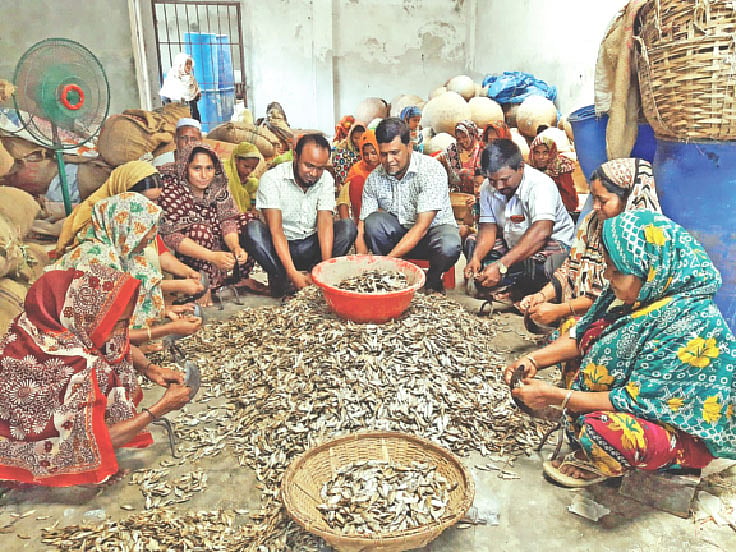
Shidal is one of the most distinctive and traditional fermented food items in Bengali culture, celebrated for its pungent aroma and rich flavor. Primarily prepared using small fish and taro stems, it holds immense popularity in the Sylhet division as well as the northern districts of Bangladesh including Rangpur, Dinajpur, Kurigram, and Gaibandha. Although preparation methods vary slightly across regions, the core technique involves drying small fish, mixing them with taro, and packing them tightly into earthen pots for a prolonged fermentation process.
The genesis of Shidal is deeply rooted in the historical necessity of food preservation. In ancient times, before the invention of refrigeration, the monsoon season brought an abundance of small fish from local wetlands and rivers that could not be consumed immediately. To prevent valuable protein from spoiling, communities developed ingenious preservation techniques. While sun-drying fish into Shutki was widespread, fermentation emerged as another vital method to store food over extended periods, cementing Shidal as a cornerstone of indigenous culinary heritage.

The manufacturing process of Shidal requires immense patience and traditional expertise. Typically, small freshwater fish such as Puti are dried and blended with specific varieties of taro. This mixture is then sealed inside earthen pots where a natural fermentation process takes place over several weeks or even months. Inside the pot, biochemical transformations alter the texture, create a deeply savory flavor profile, and produce the characteristically strong aroma that defines Shidal.
While the potent smell of Shidal might surprise newcomers, connoisseurs cherish its unique taste. When cooked with vegetables or prepared as a mash, it releases a powerful fragrance that fills rural households. It remains a beloved comfort food, especially during cooler months when paired with steaming hot rice, evoking a strong sense of nostalgia and rural tradition among those who grew up eating it.
Despite the rapid modernization of food habits, Shidal continues to endure as a proud symbol of rural Bangladeshi food culture. It bridges the gap between historical survival strategies and modern culinary appreciation. Preserved through generations of family knowledge, Shidal is much more than a mere meal; it is a flavorful testament to the ingenuity and rich heritage of rural Bengal.