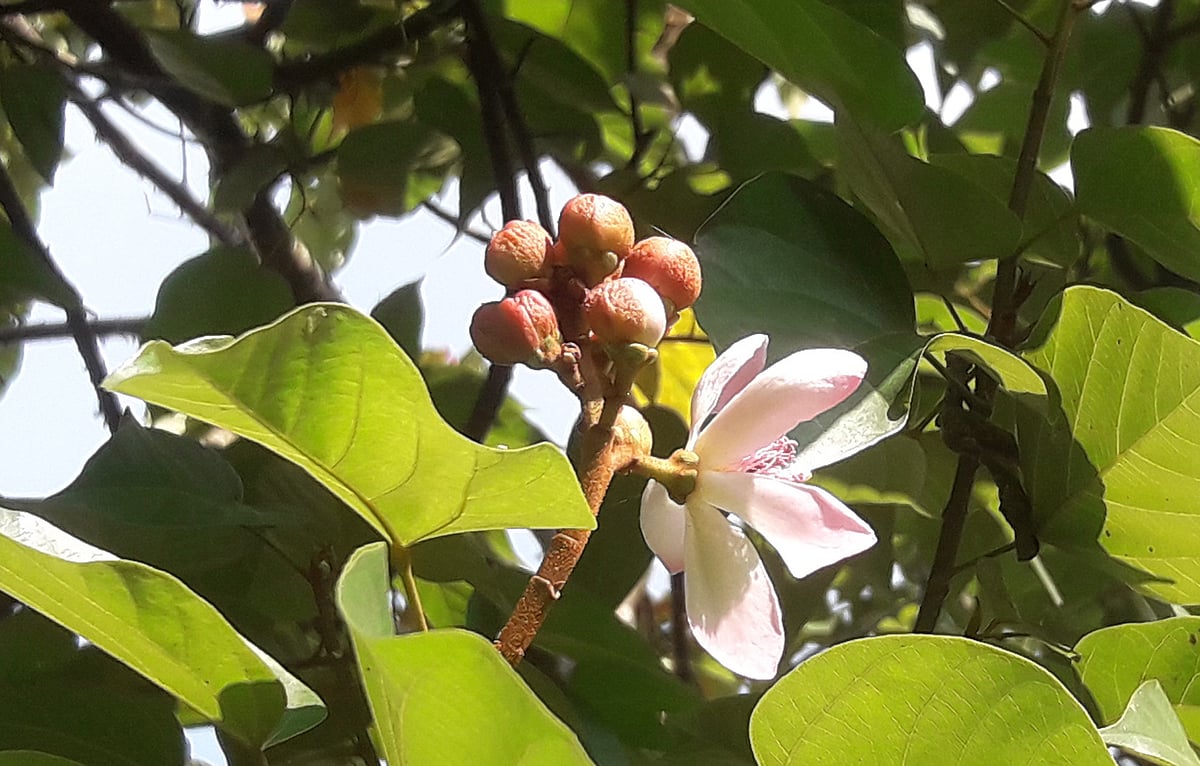
In Islamic theology, Jannatul Firdaus is revered as the highest and most prestigious level of paradise. Every devout believer aspires to attain this ultimate abode of eternal peace, where rivers flow and divine tranquility prevails. According to prophetic traditions, Firdaus occupies the central and highest position of paradise, directly situated beneath the majestic throne of the Almighty Allah, from where all heavenly rivers originate.
Often, believers harbor doubts regarding whether their modest deeds are sufficient to reach such an elevated spiritual rank. Many feel content with the mere prospect of securing a modest corner in paradise. However, Islamic teachings encourage believers to aim high and explicitly beseech Allah for Jannatul Firdaus, emphasizing the boundless mercy and generosity of the Creator.

Islamic jurisprudence outlines specific righteous deeds and character traits required to attain this supreme status. Prominent among these requirements are maintaining utmost humility in prayers, completely shunning vain and idle talk, fulfilling the obligatory almsgiving known as Zakat, and exercising strict chastity and modesty.
Furthermore, trustworthiness and the strict fulfillment of covenants and promises hold paramount importance in qualifying for Firdaus. Those who diligently guard their trusts and honor their commitments demonstrate the noble character traits beloved by Allah. Regular and punctual adherence to daily prayers further reinforces a believer's spiritual connection, paving the way toward this ultimate divine reward.
Ultimately, achieving Jannatul Firdaus requires unwavering steadfastness in faith, adherence to moral uprightness, and continuous devotion throughout one's worldly life. By embedding these essential Islamic practices into daily routines, believers strive to secure their eternal place in the highest gardens of paradise.