


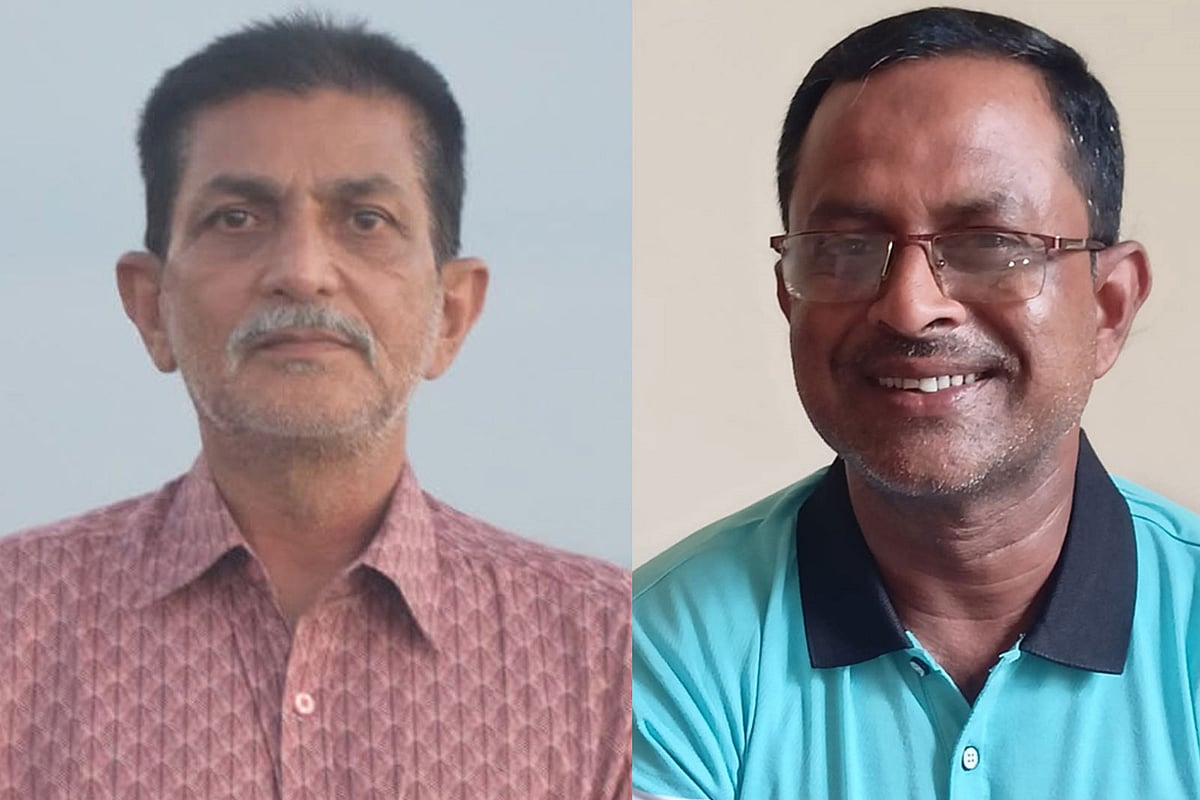
The internal factionalism within the BNP in Ashtagram, Kishoreganj, has reached a critical point, severely impacting the party's local organizational structure. The conflict, centered on the control of the 'Bil Maksha' water body, involves the local BNP President, Syed Sayeed Ahmed, and the Organizing Secretary, SM Shahin. The tension escalated into a violent clash on September 25, leaving at least 25 people injured. Although police conducted raids and seized a large cache of indigenous weapons, no arrests or formal legal proceedings have been initiated thus far.
In an attempt to restore order, local Member of Parliament, Bir Muktijoddha Fazlur Rahman, mediated a meeting between the two factions on September 30. A power-sharing agreement regarding the management of the water body was reached; however, the agreement has failed to translate into reality. Party workers report that the two leaders have not engaged in any dialogue since the meeting, nor have they participated in any joint party activities, leading to a complete standstill in organizational operations.

Grassroots activists have expressed deep concern over the ongoing rift, noting that the division has forced many members to switch sides, thereby undermining party discipline. Gias Uddin Ashrafi, Senior Vice President of the Ashtagram BNP, remarked that despite the MP's intervention, the lack of genuine reconciliation between the leaders is damaging the party's public image and eroding its core ideological strength.
Ashtagram’s economy is heavily dependent on agriculture and fisheries, making the control of water bodies like Bil Maksha a significant source of political leverage. The current infighting highlights a struggle for dominance that has persisted for some time. While the district BNP previously issued a show-cause notice to Syed Sayeed Ahmed following the clashes—which was later withdrawn after his response was deemed satisfactory—the situation on the ground remains volatile.
Political observers suggest that the rigid stance of the local leadership and the pursuit of personal influence are creating a significant obstacle for the party. Without a swift and effective resolution to these internal disputes, the BNP risks further weakening its organizational foundation in the region, potentially hindering its ability to face future political challenges.


