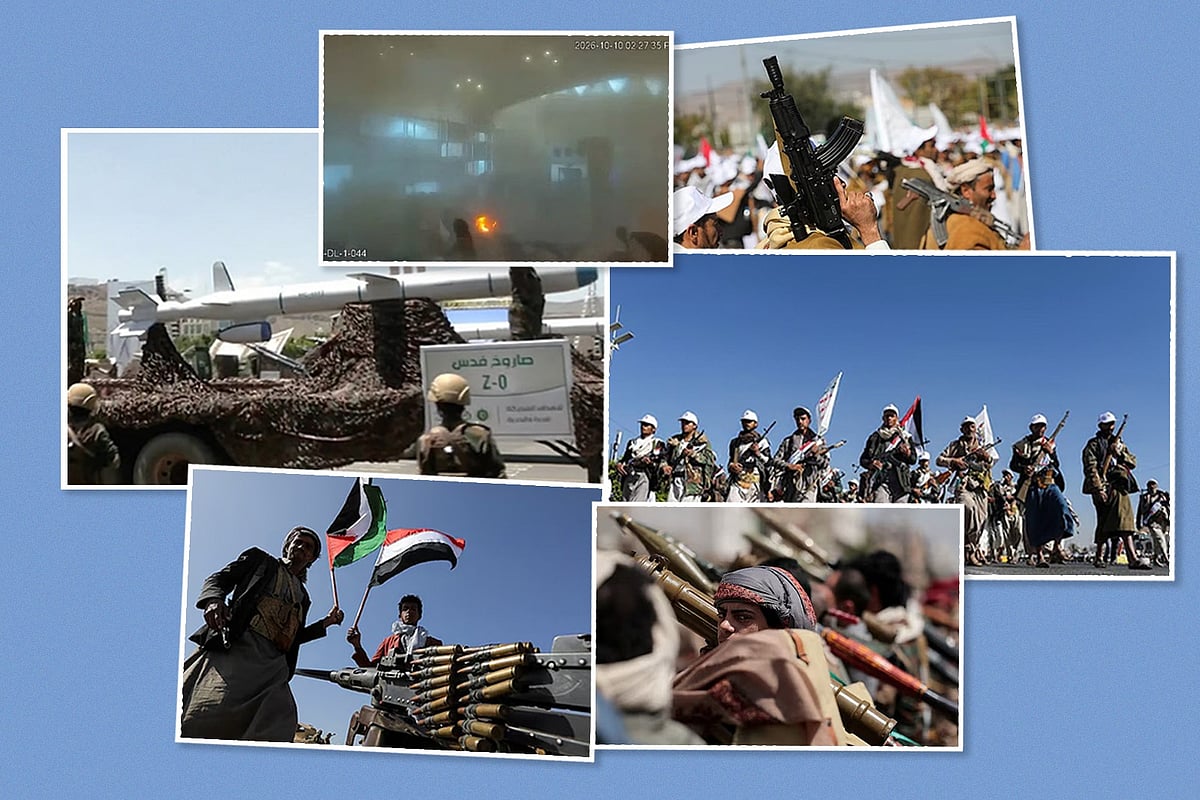
The geopolitical landscape of the entire Persian Gulf region has entered a highly volatile phase following recent military escalations involving Iran, the United States, and Israel. Amidst tightening restrictions on crude oil transportation through the strategic Hormuz Strait, a devastating missile attack struck the domestic terminals 3 and 4 of the King Khaled International Airport in Riyadh, Saudi Arabia. The incident occurred during peak hours, turning a bustling passenger lounge into a scene of carnage. Yemen's Houthi armed movement has claimed responsibility for the strike, which resulted in 12 fatalities and left over 300 individuals seriously injured.
This unprecedented attack represents a major security setback for Saudi Arabia, which has successfully insulated its domestic territory from regional conflicts for years. Crown Prince Mohammed Salman has been relentlessly steering the kingdom toward becoming a premier global hub for investment, tourism, and mega-sporting events. The targeted attack on a civilian aviation hub directly challenges these developmental milestones and raises serious concerns among foreign investors and international travelers regarding the kingdom's internal security architecture.

Defense analysts have expressed grave concern over the sophisticated missile and drone arsenal currently at the disposal of the Houthi group. Despite possessing some of the world's most advanced air defense systems, the failure to intercept this specific incoming projectile highlights the evolving asymmetric threat matrix in the Middle East. Observers note that the escalation is intricately linked to broader regional tensions, including Iran's countermeasures in the Gulf and the ongoing proxy dynamics in Yemen.
The timing of the attack coincides with rising energy prices globally and heightened naval tensions, suggesting a coordinated pressure campaign by regional factions opposed to Western and Israeli presence. The breach of Saudi airspace to strike a vital civilian infrastructure underscores that the theater of war in the Middle East is rapidly expanding beyond localized combat zones.
In the wake of this tragedy, Saudi authorities have ramped up security protocols nationwide, while international condemnation has poured in from global leaders. The United Nations and various diplomatic bodies have urged immediate de-escalation and restraint from all involved parties to prevent a total regional conflagration. However, the growing tactical capabilities of the Houthi forces pose persistent challenges to Saudi Arabia's ambitious economic transformation agenda and long-term regional stability.