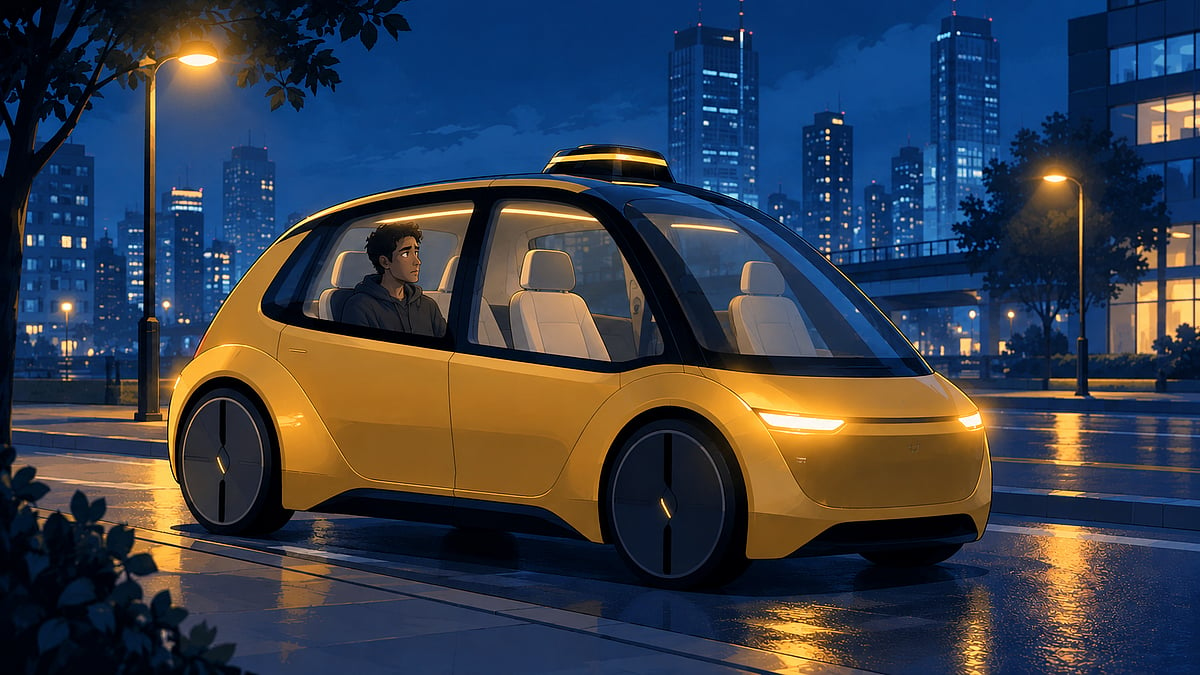
The recent commercial rollout of driverless cybercabs in Austin, Texas, marks a monumental shift in urban mobility, bringing autonomous vehicles directly into daily public life. Operating without steering wheels, brake pedals, or human drivers in the front seats, these futuristic vehicles rely entirely on advanced AI sensors, cameras, and sophisticated software. While manufacturers boast that their autonomous fleets have successfully logged millions of miles without human intervention, this rapid deployment has ignited intense debates among safety regulators, industry experts, and everyday commuters regarding the real-world safety and reliability of machine-driven transportation.
The swift transition toward autonomous fleets has been driven by rapid advancements in artificial intelligence and software maturity over the past couple of years. Cities across Texas and Florida are fast becoming testing grounds for robotaxis, with competing tech giants racing to capture the market. Traditional automotive safety regulations were originally drafted under the assumption that a human driver would always be present behind a steering wheel, controlling mirrors and pedals. Cybercabs bypass these conventional paradigms entirely, challenging existing legal frameworks and forcing regulatory bodies to reevaluate how safety compliance is certified in the modern era of automated driving.

Despite the technological triumph, significant risks and uncertainties continue to loom over autonomous taxi services. The U.S. National Highway Traffic Safety Administration has initiated formal audit queries to investigate the self-certification process utilized by manufacturers. During earlier testing phases, similar autonomous vehicles were documented making erratic maneuvers, such as entering wrong lanes, braking abruptly, or stalling unexpectedly in heavy traffic. Furthermore, because passengers possess virtually no manual control in emergency situations, safety relies entirely on real-time algorithmic decision-making. Market reactions, including notable drops in stock value following launch announcements, underscore the lingering gap between corporate technological claims and consumer trust.
Regulatory scrutiny is now at an all-time high, as authorities examine whether manufacturer self-certification adequately protects public safety. Traditionally, automakers declare compliance without mandatory third-party neutral testing, a norm that is now being heavily scrutinized for vehicles devoid of human backup controls. The outcome of these ongoing investigations will likely set a crucial global precedent for the future integration of autonomous vehicles into public infrastructure. Operating reliably under diverse weather conditions, complex nighttime traffic, and unpredictable urban environments remains a rigorous hurdle that fully automated fleets must still decisively overcome.
For everyday passengers navigating this transitional technological phase, caution and awareness are strongly advised. Commuters utilizing autonomous services for the first time are encouraged to verify authorized operational zones, familiarize themselves with emergency stop mechanisms, and exercise prudence during adverse weather or night-time conditions. While widespread adoption of such advanced automated systems in developing nations like Bangladesh remains years away, the broader discourse surrounding intelligent transportation laws and technological ethics holds profound global relevance. Ultimately, while autonomous mobility is undeniably captivating, balancing innovation with absolute passenger safety remains the ultimate test for the future of transportation.