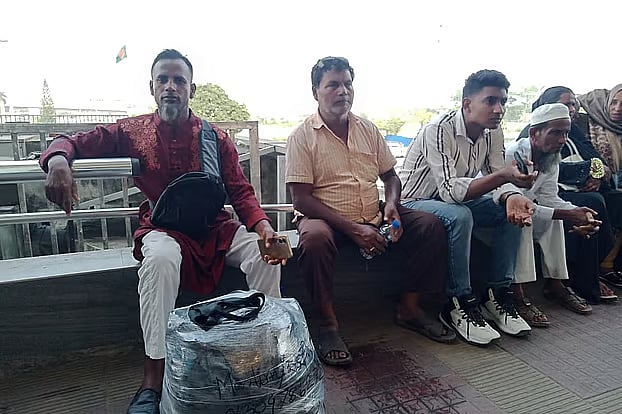
The crisis in the Saudi Arabian labour market, airport attacks or security threats, flight cancellations, visa uncertainties, or the stranding of workers—each of these incidents raises a cruel question for Bangladesh: How prepared is the state to stand by the workers whose sweat enriches the country's foreign exchange reserves in times of trouble? Are we as diligent in ensuring the safety and future of migrant workers as we are in tracking the remittances they send?
This is not merely a question of administrative weakness; it is a question of state priorities, economic foresight, and the dignity of the citizen. We often call migrant workers the warriors of the economy and remittances the lifeblood of development. Yet, when a crisis unfolds without an effective protection plan for them, a deep inconsistency manifests in this very philosophy of development. Can a state that considers the earnings of its citizens as national wealth ignore their personal misfortunes or sudden disasters?

Saudi Arabia is one of Bangladesh's most important labour markets. A large number of Bangladeshis work in various sectors such as construction, transportation, sanitation, and domestic work in Saudi Arabia. If employment there becomes restricted, recruitment policies change, or regional security situations deteriorate, thousands of families and the Bangladesh economy simultaneously come under pressure. However, over-reliance on a few labour markets, limited skills, and inadequate preparation further compound these vulnerabilities.