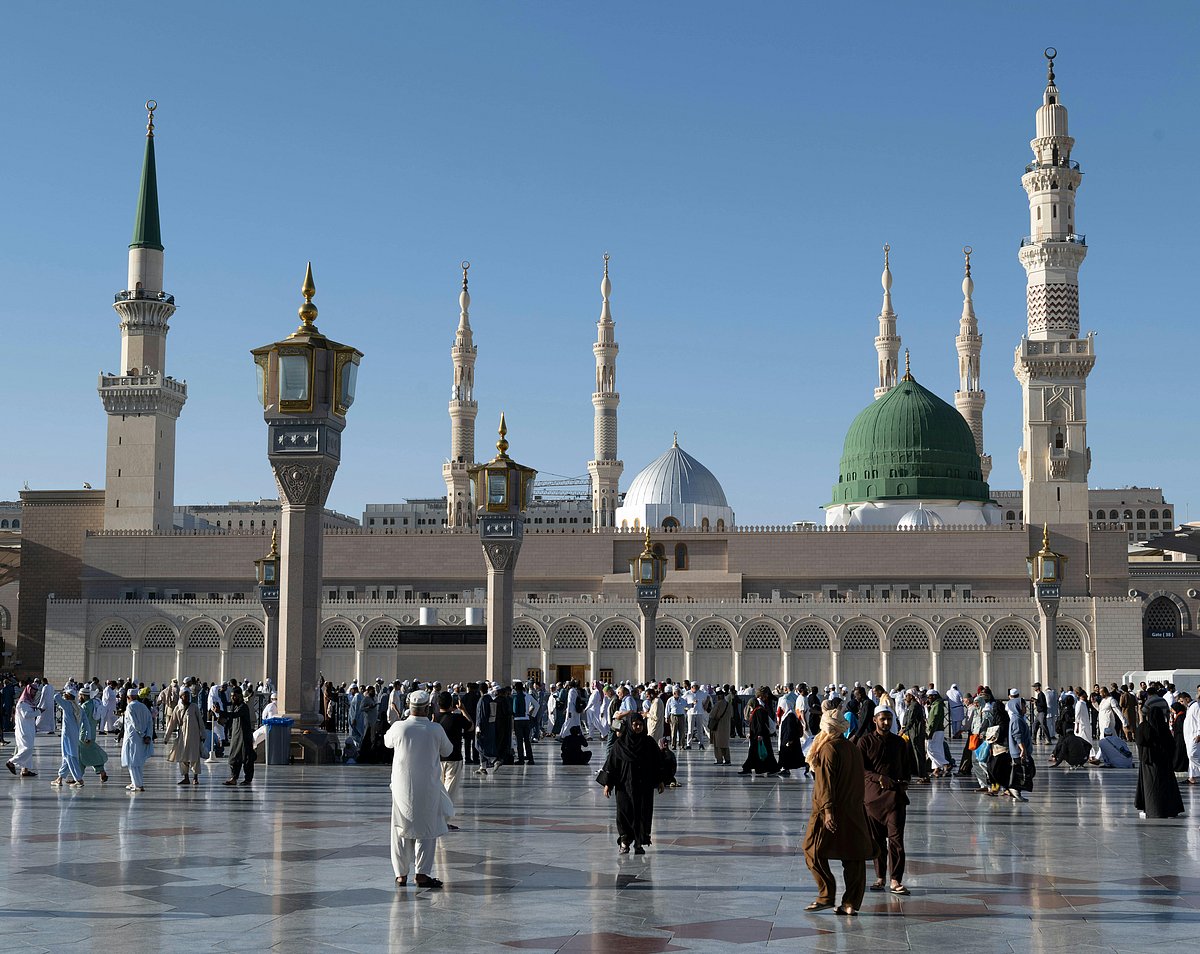
The ninth year of the Hijrah holds profound significance in Islamic history, famously recognized as 'Amul Ufud', or the Year of Delegations, due to the continuous influx of tribal representatives into Medina. Following the pivotal conquest of Makkah, delegations from various corners of the Arabian Peninsula converged on the Prophet's mosque. Their motives varied greatly: some came to learn about the tenets of Islam, others to pledge allegiance, and many to negotiate political standings or discuss mutual concerns on behalf of their respective tribes.
Prophet Muhammad interacted with each delegation with remarkable wisdom, adapting his approach to suit the specific context and temperament of the visitors. Whether through logical reasoning, profound hospitality, or pragmatic decision-making, he successfully fostered diplomatic relations and mutual understanding. This approach not only bridged gaps between rival factions but also laid the foundational groundwork for long-term peace and stability across the entire Arabian Peninsula, transforming a fractured tribal society into a unified community.

Significantly, many of these delegations included accomplished poets and eloquent orators. In ancient Arab culture, poetry served as the primary medium for wielding social influence and asserting tribal prestige. The arriving delegates often sought to highlight their lineage and glory through verse. The Prophet gracefully acknowledged their cultural expressions, engaging with them in a manner that showcased the rhetorical and moral superiority of Islamic teachings, which deeply resonated with and influenced many prominent tribal leaders.
Prior to the conquest of Makkah, numerous Arab tribes had maintained a cautious stance regarding the acceptance of Islam. The Quraysh, being one of the most powerful and influential tribes, were watched closely by others to see the ultimate outcome of their conflict with the Muslims. The triumphant conquest of Makkah in the eighth year of Hijrah fundamentally altered the geopolitical and social landscape of Arabia. This massive socio-religious shift was prophesied and reflected in the Quranic verses of Surah an-Nasr, detailing how people would enter the religion of Allah in crowds following divine help and victory.
Following the fall of Makkah and the subsequent submission of Taif and surrounding regions, the flow of visitors and emissaries multiplied exponentially. By the ninth year of Hijrah, this movement reached such a monumental scale that historians permanently designated the period as the Year of Delegations. While individual envoys had visited Medina prior to this, the sheer volume, systematic organization, and political weight of the delegations arriving in the ninth year marked a distinct apex in early Islamic diplomacy.
Ultimately, the diplomatic outreach orchestrated by the Prophet transcended mere religious proselytization, serving as an exceptional blueprint for sociopolitical cohesion and statecraft. By successfully navigating tribal rivalries, cultural pride, and geopolitical tensions through dialogue, mutual respect, and strategic foresight, the leadership demonstrated during 'Amul Ufud' remains a timeless study in effective conflict resolution and state diplomacy, continuing to inspire leaders across generations.