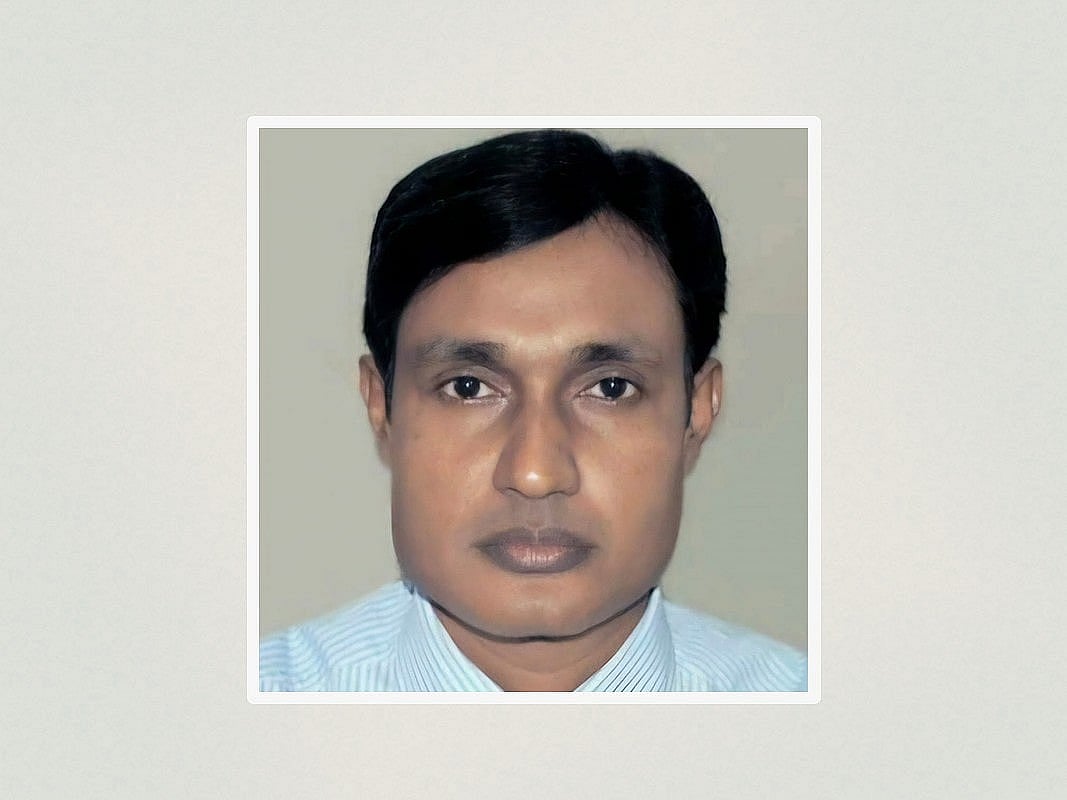
An unexpected protocol breach at the Shah Makhdum Airport in Rajshahi during the Prime Minister's departure last Tuesday has ignited a national debate regarding civil service etiquette and administrative discipline. As the Prime Minister was exchanging greetings with lined-up senior civil and police officials, the then Divisional Commissioner of Rajshahi, Yusuf Ali, attempted an inappropriate gesture by stepping forward and trying to touch the Prime Minister from behind during a handshake. The Prime Minister visibly stepped back and advised him to maintain his position in the line. The video of this incident quickly went viral on social media, drawing widespread criticism from citizens and experts alike.
Swift administrative action followed the incident. The Ministry of Public Administration issued a gazette notification on the very same day, withdrawing the divisional commissioner from his post and attaching him to the ministry as an officer on special duty. Observers and citizens noted that such unprofessional and uncalled-for behavior from a high-ranking public servant is entirely unacceptable. State protocols and standard operating procedures strictly dictate the manner of interaction with the head of government, emphasizing dignity, restraint, and adherence to established hierarchies, all of which were visibly violated in this instance.

This incident is not an isolated one regarding the conduct of public officials in recent times. Just prior to this, another controversy arose in Bagerhat district, where the Law Minister expressed severe displeasure toward the district's civil surgeon after his mobile phone rang repeatedly and he answered it during an official event. These recurring incidents have raised serious questions about whether government officials possess a clear understanding of official protocol, public etiquette, and basic professional courtesy in their day-to-day duties.
Governance experts point out that while civil servants undergo rigorous training in administration academies regarding protocol and etiquette, practical application at the field level often suffers due to a lack of genuine professionalism and an unhealthy tendency toward sycophancy. True civil service requires absolute neutrality, composure, and strict adherence to protocol rather than overzealous displays of allegiance. While a single incident should not define the entire bureaucracy, ignoring these warning signs would be detrimental to institutional discipline.
To restore absolute professionalism and accountability, higher authorities must enforce strict oversight and ensure that code-of-conduct guidelines are rigorously followed across all tiers of government. Regular refresher courses on administrative etiquette and public relations are essential for all officials. By taking decisive action against protocol violations, the administration can reinforce public trust and ensure that public servants uphold the highest standards of dignity and decorum expected of them.