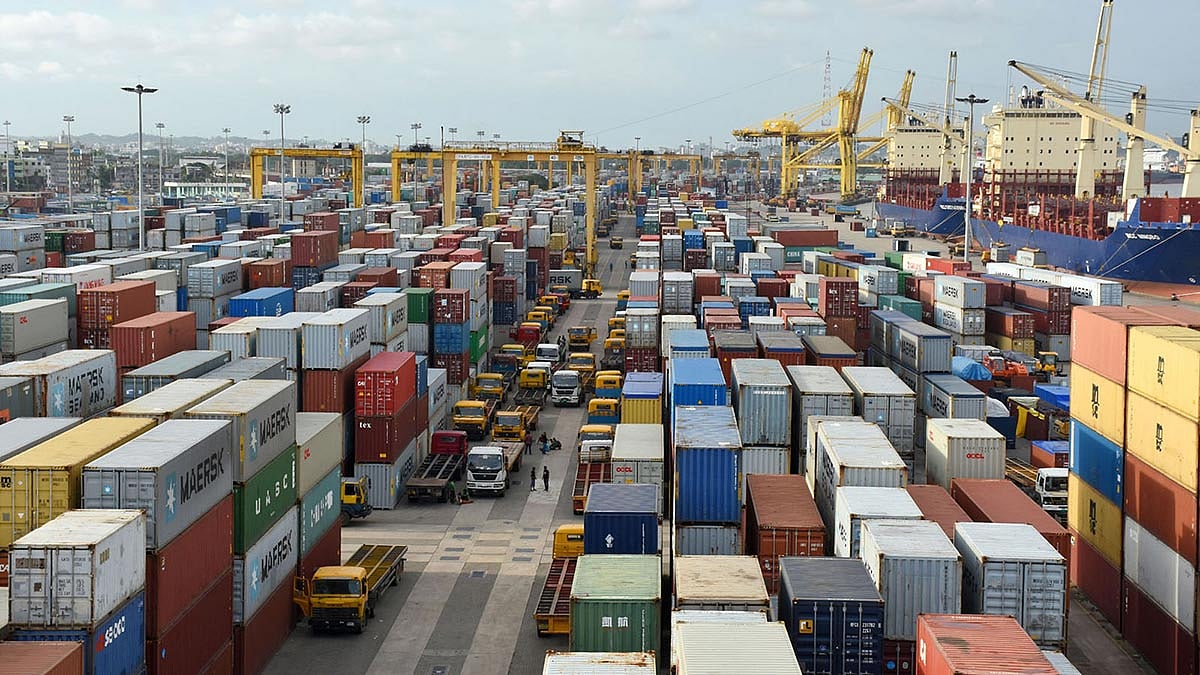
The global market is facing a looming food crisis driven by a confluence of factors, including soaring fuel prices, disrupted supply chains due to geopolitical tensions, and crop failures caused by the El Niño climate phenomenon. Economists and global analysts warn that this inflationary trend in food prices is likely to intensify in the coming months and could potentially persist until 2027. This prolonged crisis poses a severe threat to the stability and livelihoods of populations in low and middle-income countries across Asia, the Middle East, and North Africa.
Maximo Torero, Chief Economist at the Food and Agriculture Organization (FAO), has highlighted that the global food supply chain is currently under immense pressure. The repercussions of this strain are expected to be felt throughout the remainder of this year and well into the next. For households in developing nations, where a significant portion of income is spent on basic food items, the rising costs are creating an acute financial burden, pushing many toward food insecurity.

Data from the World Bank, which analyzed trends across 150 countries, reveals that in the third quarter of this year (July-September), 22 percent of these nations experienced food price inflation that outpaced overall headline inflation. This is a marked increase from the 14 percent recorded in the previous quarter. By September, the global food price index reached an average of 136 points, marking the highest level since November 2022. This data underscores the severity of the situation, as food prices are rising at a rate that significantly outstrips general economic inflation.
Beyond the immediate economic impact, the surge in food prices carries the risk of triggering social unrest. As countries struggle to manage domestic supply, major food-exporting nations may resort to export bans to protect their own markets. Such protectionist measures would further constrict global supply, exacerbating the price hikes and creating a vicious cycle of scarcity and inflation that could destabilize vulnerable economies.
International organizations are calling for coordinated global efforts to mitigate these risks. However, without addressing the root causes—namely climate change and geopolitical instability—ensuring global food security remains a daunting challenge. Experts emphasize that for low-income nations, the path forward requires increased international food aid, investment in resilient agricultural practices, and strategic policy interventions to shield the most vulnerable from the worst effects of this prolonged inflationary period.