Moha Khorshed Alam, President of the Bangladesh-China Chamber of Commerce and Industry (BCCCI), has underscored that no significant advancement will take place in the country's industrial sector without comprehensive and meticulous planning. In a recent detailed interview, Alam discussed various dimensions of Sino-Bangladesh trade, investment potentials, and strategic economic pathways to strengthen bilateral commerce.
Addressing the recent proposal submitted to the Ministry of Commerce regarding the establishment of Chinese bank branches in Bangladesh, Alam noted that China remains Bangladesh's single largest trading partner, with bilateral trade volume surpassing USD 20 billion annually. He reasoned that since nations like Sri Lanka have operational bank branches in Bangladesh, introducing Chinese banking institutions is a logical step given the massive volume of imports originating from the East Asian economic powerhouse.

Elaborating on the mechanics of bilateral trade optimization, the BCCCI President explained that conducting transactions in local or counterpart currencies—specifically the Chinese yuan—would eradicate unnecessary intermediary costs. For instance, export earnings generated from shipments to China could be maintained in yuan accounts and directly utilized to finance import settlements from the same market, bypassing the traditional dollar-clearing mechanism.
Such an arrangement would shield businesses from persistent foreign exchange volatility, eliminate intermediate banking commissions, and circumvent the expenses associated with multiple currency conversions from taka to US dollar and subsequently to yuan. According to his projections, this direct settlement framework could yield an average cost reduction of approximately 1 per cent on total transaction values. In the current testing economic climate, even a fractional percentage saving is deemed monumental for domestic businesses striving to maintain competitiveness.
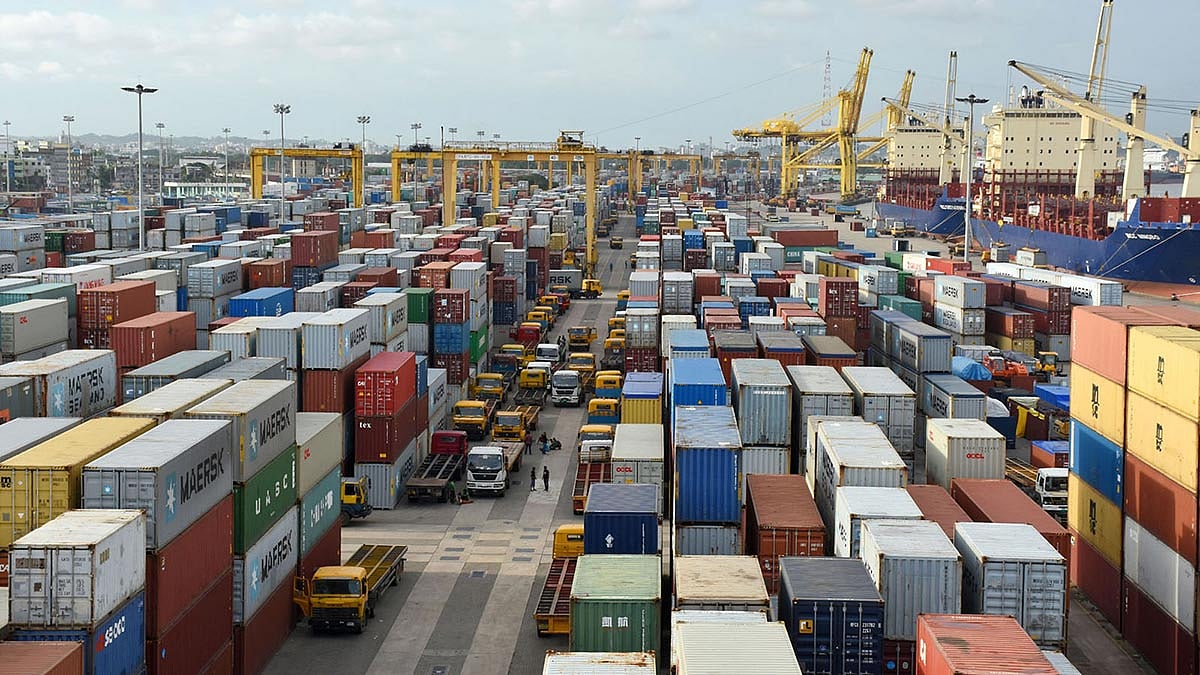
Concluding his insights, Alam reiterated that maximizing the benefits of foreign direct investment and fostering robust industrialization requires a departure from ad-hoc measures. He called for streamlined regulatory frameworks, enhanced port and logistics efficiencies, and strategic foresight to ensure that Bangladesh continues to attract sustainable foreign investments and expand its global manufacturing footprint.