Prime Minister Sheikh Hasina's upcoming diplomatic visit to Japan is generating significant anticipation within economic and policy circles, with a primary focus on reducing construction costs and renegotiating lower interest rates for major infrastructure projects like the metro rail. Policymakers view this visit as a crucial opportunity to alleviate long-term debt burdens and ensure sustainable financial management for large-scale development initiatives supported by Japanese development partners.
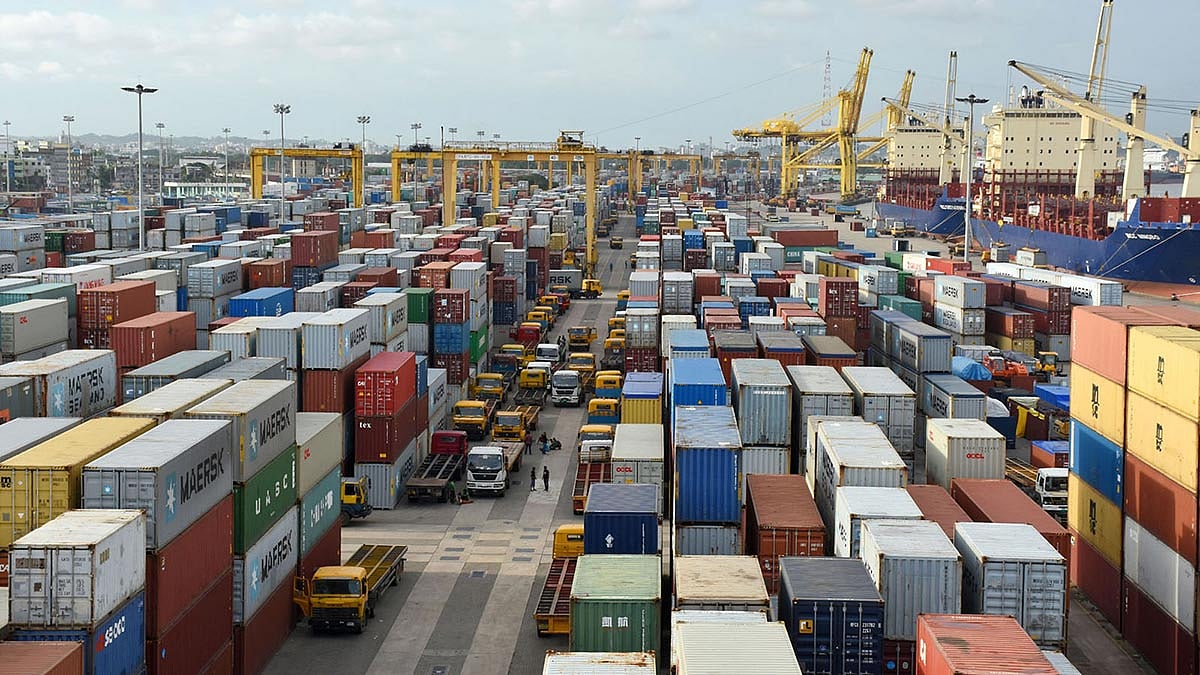
As Bangladesh prepares for its imminent graduation from the United Nations Least Developed Country (LDC) status, the nation faces potential structural shifts in its international trade dynamics. Economic analysts project that losing preferential market access and tariff reliefs could lead to an estimated export decline of up to $6.38 billion annually, particularly impacting the readymade garment sector. To counter these challenges, Dhaka intends to seek enhanced cooperation from Tokyo, focusing on alternative bilateral trade agreements, technological partnerships, and export diversification strategies.

Japan has long been one of Bangladesh's most reliable and steadfast development partners, contributing significantly to infrastructural milestones, power generation, and transportation networks over the decades. Building upon this robust foundation, the upcoming high-level meetings are expected to advance discussions on a comprehensive Economic Partnership Agreement (EPA) designed to expand bilateral trade boundaries and encourage greater foreign direct investment (FDI) from Japanese enterprises into Bangladesh's specialized economic zones.
Experts emphasize that bridging the impending trade gaps post-LDC graduation requires proactive modernization of domestic manufacturing and aggressive exploration of new global markets. During the Tokyo summit, Bangladeshi delegates will stress the importance of securing favorable terms and continuous technical assistance. Furthermore, assurances will be extended to Japanese investors regarding streamlined regulatory frameworks and enhanced security for foreign business operations within the country.
Ultimately, this high-profile visit transcends conventional diplomatic engagements, positioning itself as a vital milestone in Bangladesh's contemporary economic diplomacy. Securing concessions on critical loan servicing terms and establishing resilient mechanisms against post-LDC trade shocks will heavily determine the trajectory of the nation's sustained macroeconomic growth and infrastructural advancement in the coming years.