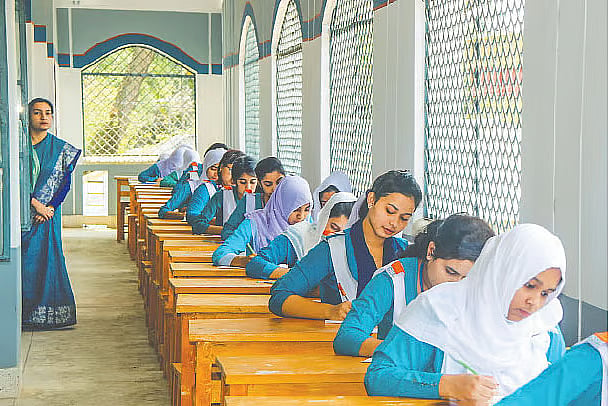

Sixteen-year-old Radhika Kumari stood before the peeling walls of her old primary school in the impoverished Lathar district of Jharkhand, struggling to decipher a simple government health slogan written in Hindi. Five years ago, during the height of the COVID-19 pandemic, her remote village of Dumbi was visited by researchers documenting the devastating toll of prolonged school closures on marginalized children. Today, despite having been promoted to the ninth grade, Radhika can barely read basic sentences, starkly illustrating how the pandemic's educational fallout continues to haunt rural youth in India.
When nationwide lockdowns were enforced in 2021, schools across India shuttered for well over a year. While urban centers and private institutions swiftly transitioned to online learning, remote and impoverished pockets like Dumber village lacked basic internet connectivity and smartphones. For Dalit and Adivasi girls like Radhika, education came to a complete standstill. Deprived of any classroom interaction or digital alternatives, her foundational literacy deteriorated so severely that she practically forgot the alphabets she had previously learned.

Comprehensive nationwide educational surveys and reports published in the wake of the pandemic have repeatedly underscored a catastrophic dip in foundational reading and arithmetic skills among school children. Education economists and civil society researchers noted that beneath aggregate recovery statistics lie deep, unhealed systemic disparities. Millions of children in rural areas lost crucial developmental years, causing a massive seven-percentage-point drop in basic reading proficiency levels nationally compared to pre-pandemic years. Despite this profound learning deficit, children were automatically promoted to higher grades under the Right to Education Act provisions, creating a facade of academic progression while actual capability plummeted.
Experts point out that Radhika's plight is compounded by chronic structural issues plaguing rural Indian education, including acute teacher shortages and abysmal infrastructural support in government schools. Prominent economists studying rural welfare emphasize that children who already had limited access to quality schooling prior to the pandemic suffered irreversible setbacks when lockdowns severed their last remaining lifeline to formal education. Furthermore, entrenched socioeconomic pressures, rural poverty, and the looming threat of early marriage make it increasingly difficult for adolescent girls to sustain their academic journeys.
As Radhika navigates through high school with foundational gaps that widen each academic year, her story serves as a poignant reminder of the enduring scars left by the global health crisis on vulnerable populations. While policymakers debate legislative adjustments and evaluation reforms to salvage educational standards, grassroots realities in remote states like Jharkhand demand urgent, targeted interventions to rescue an entire generation from permanent marginalization.