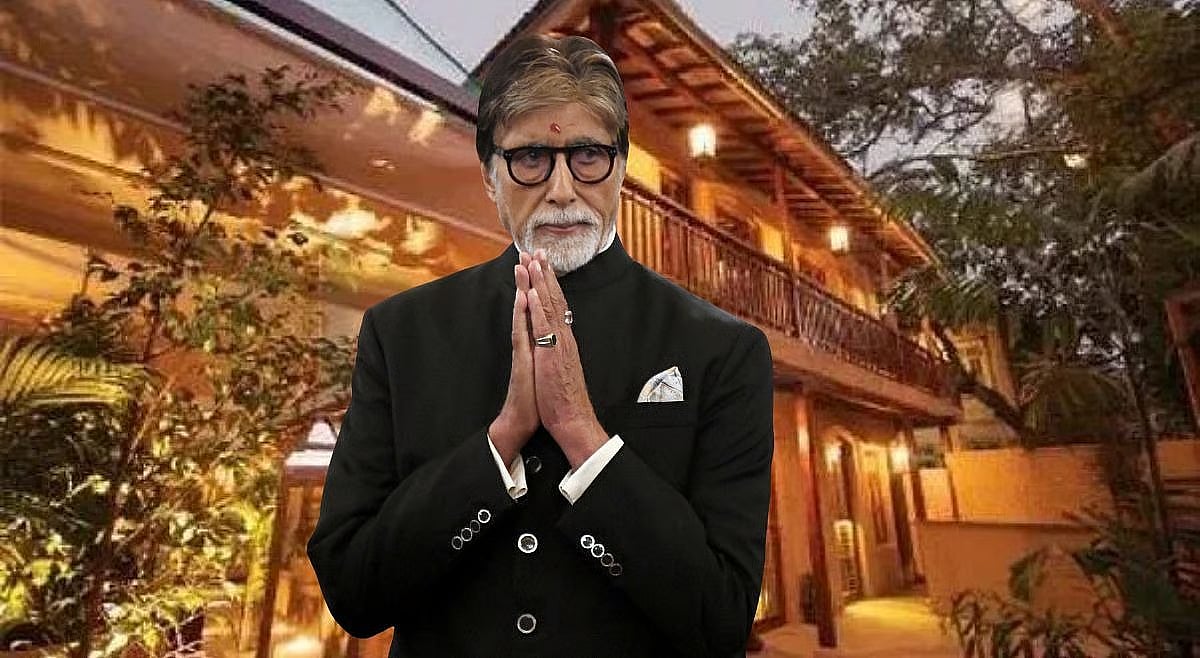
Bollywood superstar Amitabh Bachchan’s iconic Jalsa bungalow in Mumbai’s Juhu area and a much-anticipated concert by popular singer Diljit Dosanjh have both been targeted with severe bomb threats. The chilling warning arrived via an email sent to Mumbai Mayor Ritu Tawde and other municipal officials on Friday morning, triggering an immediate and high-level response from law enforcement and intelligence agencies across the city.
The threatening communication specifically pointed toward the upcoming concert of Diljit Dosanjh, scheduled for November 27 at Mumbai’s Mahalakshmi Racecourse, threatening a major explosion during the event. Furthermore, the email explicitly stated that Amitabh Bachchan’s residential fortress, Jalsa, would be blown up. Jalsa is a landmark location where thousands of fans routinely gather every Sunday to catch a glimpse of the legendary actor during his customary greeting session.

According to security officials, the email was dispatched at 11:31 AM on Friday and contained multiple alarming claims. Aside from targeting the actor's home and the concert venue, the sender threatened a bomb blast at the Mayor’s office and referenced a purported grenade attack at a city school on October 31. Notably, the message also included pro-Khalistan slogans, prompting counter-terrorism units and local police to elevate their threat assessment and investigation parameters.
Manish Kalwaniya, Deputy Commissioner of Police for Mumbai Zone-1, confirmed that the threatening electronic communication was received at the Brihanmumbai Municipal Corporation (BMC) headquarters. Following the alert, specialized bomb disposal squads and canine units conducted thorough sweeps of the cited locations, though nothing suspicious or explosive was discovered. Authorities also revealed that several schools in the Dadar area received similar threats during the same wave.
This incident is part of a troubling pattern of security scares targeting high-profile institutions in the financial capital. Previously, on March 20, a similar threatening email was sent to the Mumbai Press Club, claiming that toxic gas bombs had been planted inside the building. Investigators are currently examining whether today's threats share technical similarities or originate from the same sources as the March incident, which was initially traced back to an alias named 'Neeraja Ajmal Khan'.
In response to these developments, security has been visibly tightened around celebrity residences, performance venues, and educational institutions in Mumbai. The cyber cell of the Mumbai Police has initiated a rigorous forensic examination of the digital footprint to trace the origin of the IP address and apprehend the individuals responsible for orchestrating the mass panic.