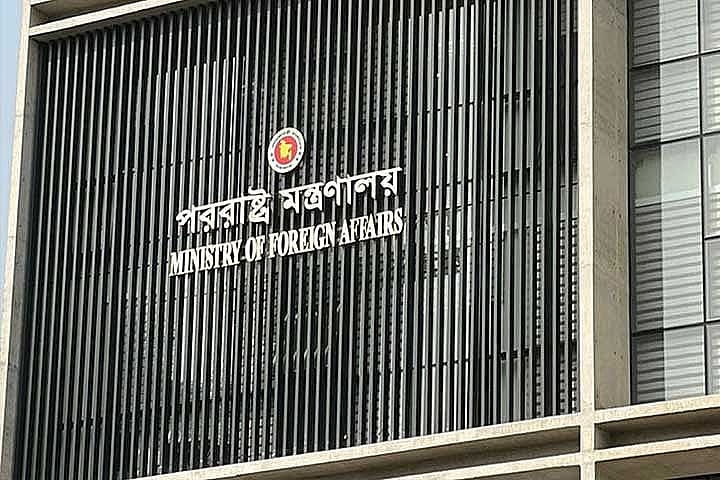
Bangladesh has raised serious concerns and formally sought detailed explanations from Saudi Arabia regarding the execution of two Bangladeshi nationals, Nazrul Islam and Sweety Akter. The Ministry of Foreign Affairs in Dhaka wants to know whether the deceased individuals were given adequate opportunities for self-defense and why information regarding their death sentences was withheld from regular prisoner lists.
The issue was officially brought to the table during a high-level meeting in Jeddah on Monday, where Bangladesh Consul General Mohammad Sakhawat Hossain met with Farid bin Saad Al-Sehri, Director General of the Saudi Ministry of Foreign Affairs. According to diplomatic sources, the Consul General questioned why the names of Nazrul and Sweety appeared in routine prisoner lists without any mention of their punitive measures, and why the execution was carried out without prior notification to the diplomatic mission. Officials noted that the Saudi representative failed to provide a satisfactory response.

Following the meeting, Bangladesh dispatched another formal diplomatic note to Riyadh on the same day. The communication explicitly requests comprehensive case details, the chronology of judicial proceedings, and official clarification on whether the defendants were granted fair trial standards and the right to legal representation and self-defense prior to their execution.
While Consul General Sakhawat Hossain confirmed the meeting and the issuance of the diplomatic note, he refrained from disclosing further specifics of the confidential discussion. However, senior foreign ministry officials in Dhaka emphasized that safeguarding the legal rights and consular access of migrant workers remains a top priority for the government, and any opaque execution process is deeply alarming.
Diplomatic analysts believe that this stern inquiry underscores Dhaka's growing firmness in protecting its diaspora in the Middle East. The outcome of this diplomatic correspondence is expected to set a precedent for how future legal cases involving expatriate workers are handled between the two nations, ensuring transparency and adherence to international justice norms.