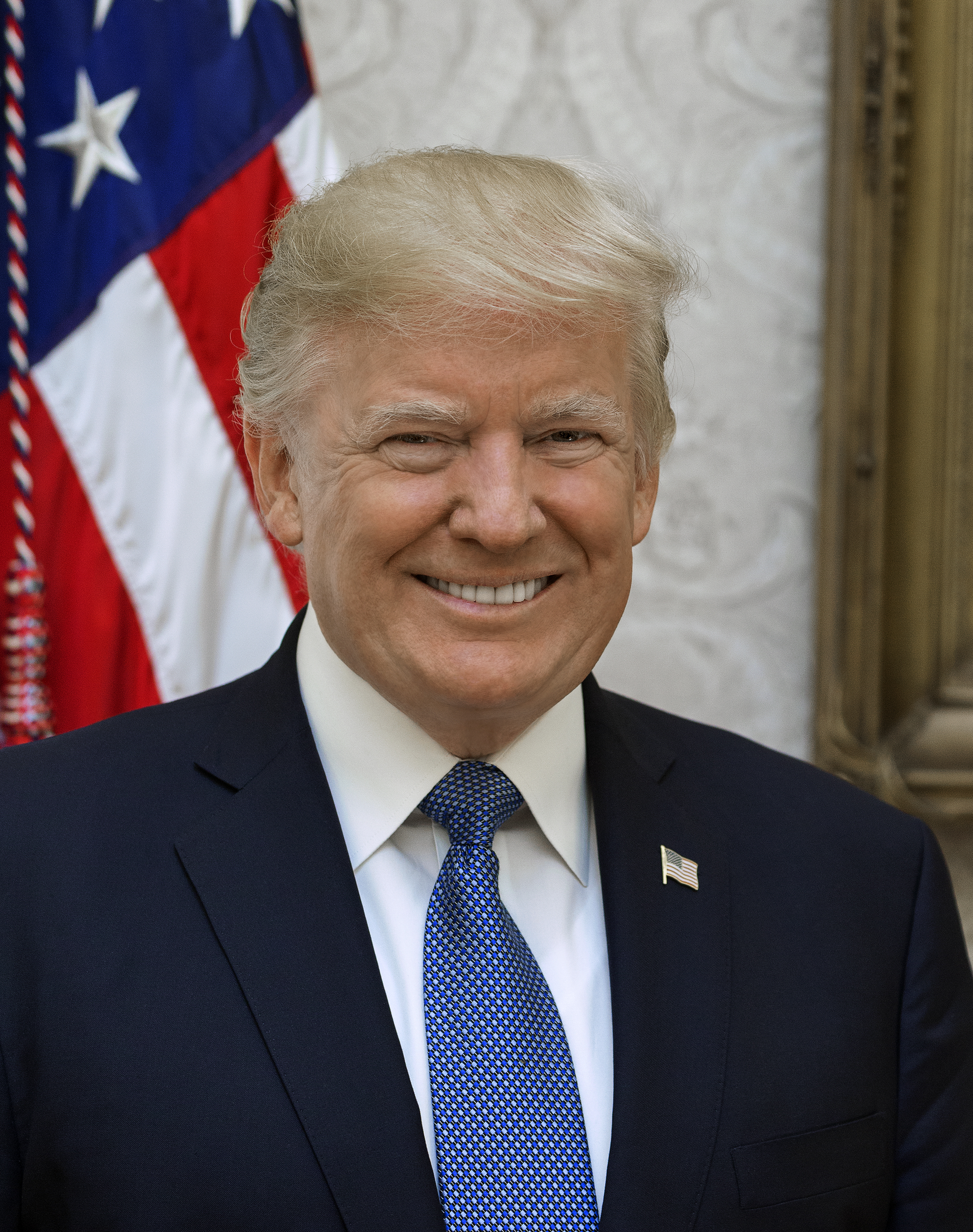
Former US President Donald Trump has once again stirred the political landscape by reiterating his claims regarding the 2020 presidential election. Maintaining his long-standing position, Trump continues to assert that the election was stolen through widespread fraud. Despite these persistent claims, federal agencies, the Department of Justice, and election officials from both parties have consistently found no evidence of systemic fraud that could have altered the outcome of the election.
Trump’s narrative remains a central pillar of his political identity, resonating deeply with a significant portion of his base. Following the 2020 election, his legal team initiated over 60 lawsuits across various states to challenge the results. However, these efforts were largely unsuccessful, with courts—including those presided over by judges appointed by Trump himself—dismissing the cases due to a lack of credible evidence or legal standing.

Political analysts suggest that Trump’s repeated focus on these claims is a strategic maneuver aimed at consolidating his support base ahead of future electoral cycles. By casting doubt on the integrity of the electoral process, he seeks to maintain a sense of grievance among his followers, which serves to keep his political movement energized. However, critics argue that this rhetoric undermines the foundational principles of American democracy and erodes public trust in essential state institutions.
Democratic leaders and various observers have expressed deep concern over the potential long-term consequences of such rhetoric. They point to the events of January 6, 2021, at the US Capitol as a stark reminder of how unsubstantiated claims of election fraud can lead to civil unrest. The ongoing debate highlights a deep polarization within the United States, where perceptions of reality and the legitimacy of democratic processes have become increasingly fractured.
As the political climate continues to evolve, Trump’s insistence on these claims remains a focal point of national discourse. Whether this strategy will prove effective in future elections or further alienate moderate voters remains a subject of intense debate. For now, the former president shows no signs of backing down from his assertions, ensuring that the controversy surrounding the 2020 election will continue to influence the American political narrative for the foreseeable future.