
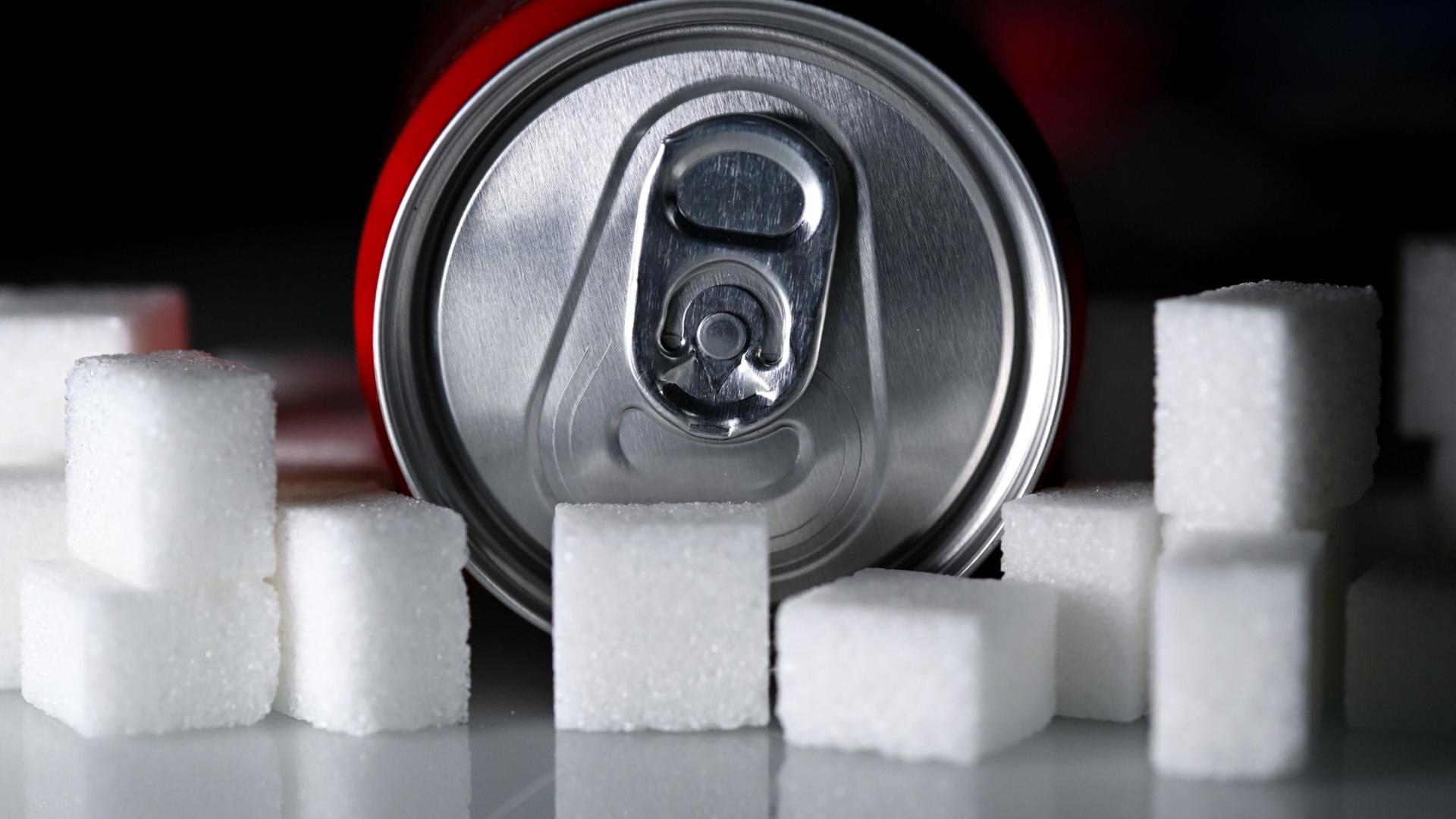
Resistance against the proposed sugar tax is intensifying within the German coalition government. Nine state ministers for agriculture and consumer protection from the CDU and CSU have addressed a formal letter to Chancellor Friedrich Merz, expressing their strong opposition to the introduction of a levy on sugary products. The letter, dated October 11, argues that such a tax contradicts the coalition agreement, which emphasizes voluntary action, incentives, and personal responsibility regarding healthy nutrition rather than state-mandated intervention.
The ministers, representing eight federal states and the city-state of Berlin, contend that a sugar tax would impose an unnecessary financial burden on consumers. Instead of fiscal measures, they advocate for enhanced nutritional education and public awareness campaigns to promote healthier dietary habits. The opposition highlights a fundamental disagreement over the government's role in shaping consumer behavior.

Beyond consumer concerns, the ministers have warned of significant economic repercussions for the agricultural sector. Christine Schneider, the Minister from Rhineland-Palatinate, emphasized that a sugar tax would likely dampen demand for certain food products, further exacerbating the already precarious situation for farmers. With rising costs for fertilizers and diesel, the ministers argue that any intervention in the sugar market is economically unjustifiable and would be impossible to explain to the agricultural community.
Despite the pushback, Federal Finance Minister Lars Klingbeil (SPD) remains committed to his proposal. His plan aims to incentivize manufacturers to reduce sugar content in beverages by imposing a levy starting in July 2027 on drinks containing at least five grams of sugar per 100 milliliters. Although the Chancellery halted the plans in early October, Klingbeil has not abandoned the initiative.
The ongoing dispute underscores the deep divisions within the coalition regarding health policy and economic strategy. As the debate continues, the future of the sugar tax remains uncertain, leaving the coalition to navigate a complex path between public health goals and the economic interests of the agricultural sector.