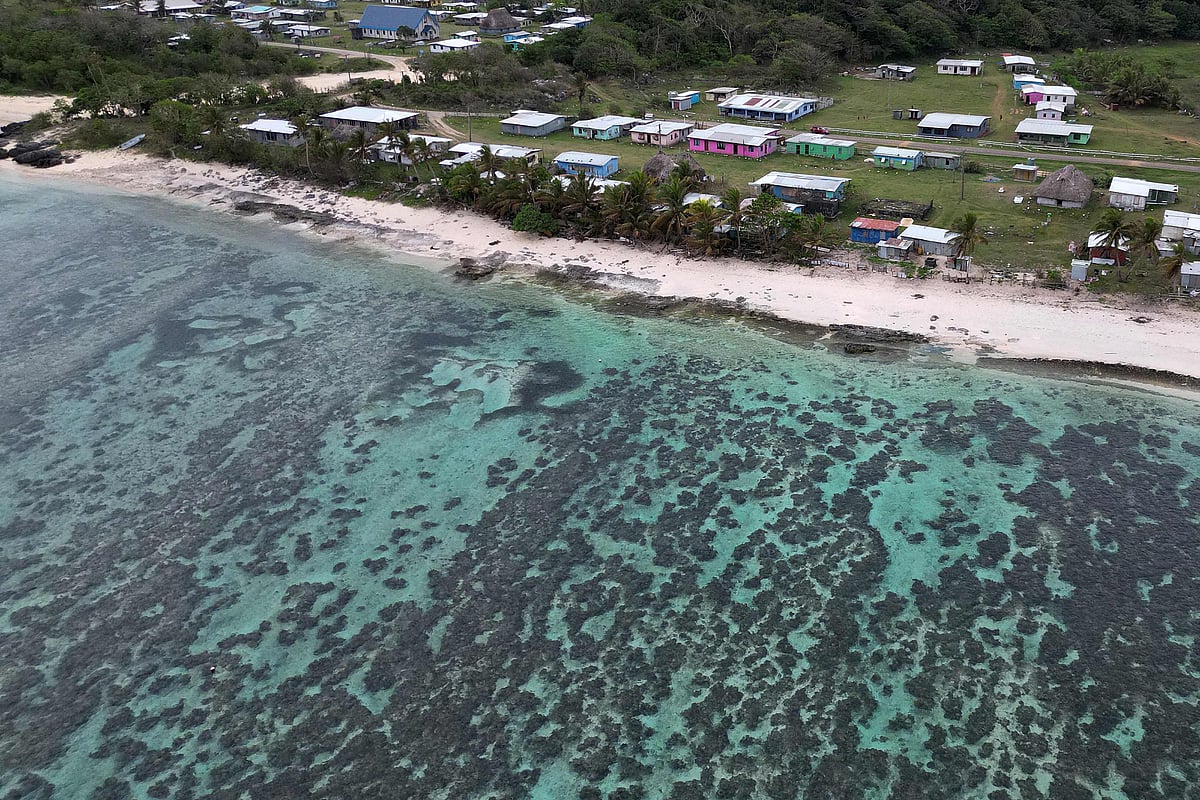
Nearly all of the world's shallow-water coral reefs face an extremely high risk of collapse by 2075 due to the escalating impacts of climate change, the International Union for Conservation of Nature (IUCN) has warned. In a first-of-its-kind global assessment, the world authority on threatened wildlife classified 96 percent of the planet's coral reef systems as critically endangered, which marks the highest risk category on their assessment scale. Corals are inherently heat-sensitive and particularly vulnerable to human-driven climate warming, which continues to heat the world's oceans and drastically increase the frequency and intensity of devastating coral bleaching events.
For the purposes of this comprehensive assessment, researchers utilized the middle-of-the-road scenario from the United Nations panel of climate experts, which projects global temperatures rising by 2.7 degrees Celsius above pre-industrial levels by the year 2100. Recent reports from the United Nations indicate that the world is currently on track for a 2.6C warming trajectory this century based on existing global commitments to curb greenhouse gas emissions. This relentless warming trend serves as the single most consistent and lethal threat driving coral reefs toward widespread ecological collapse.

Despite the grim outlook, experts emphasize that this crisis should act as a decisive wake-up call rather than a reason for utter despair. Mishal Gudka, the scientific lead of the IUCN Red List of Coral Reef Ecosystems assessment and research director at CORDIO East Africa, noted that coral reefs have historically demonstrated a remarkable ability to bounce back from devastating bleaching events under favorable conditions. However, the window for effective conservation intervention is rapidly closing as ocean temperatures continue to shatter historical records.
The potential collapse of coral reefs carries catastrophic implications for global marine biodiversity and human communities alike. Coral ecosystems support approximately a quarter of all marine life, provide natural storm barriers for vulnerable coastal regions, and sustain the livelihoods of hundreds of millions of people through fisheries and marine tourism. The degradation of these vital underwater habitats threatens to destabilize coastal economies, particularly in tropical island nations that rely heavily on marine resources for survival and economic stability.
To avert this ecological catastrophe, marine conservationists and international scientists are urging governments worldwide to accelerate decarbonization efforts and adhere strictly to global climate mitigation targets. Without immediate, ambitious policy interventions and aggressive emission reductions, the widespread loss of the world's coral reefs will trigger cascading crises across global marine and human ecosystems, underscoring the urgent need for unified planetary action.