Despite spending many years working in Saudi Arabia, Abdul Bashir was unable to pull his family out of crushing poverty. After returning home empty-handed in 2020, he took up farming to make ends meet. Driven by the hope of a better future, he borrowed six hundred thousand taka and sent his eldest son to Saudi Arabia in late 2022. However, just eight months after arriving in the Gulf kingdom, his son was arrested by local authorities. At the time of the arrest, four hundred and fifty thousand taka of the initial loan remained unpaid, plunging the family into severe financial distress.
Nearly three years after his son was imprisoned in Saudi Arabia, Bashir received devastating news on Wednesday, October 14, learning that his son had been executed. Since receiving the tragic news, the grieving father feels as though life has drained from him entirely. His sole remaining wish is to have his son's mortal remains repatriated from Saudi Arabia so that he can gaze upon him one final time before laying him to rest.

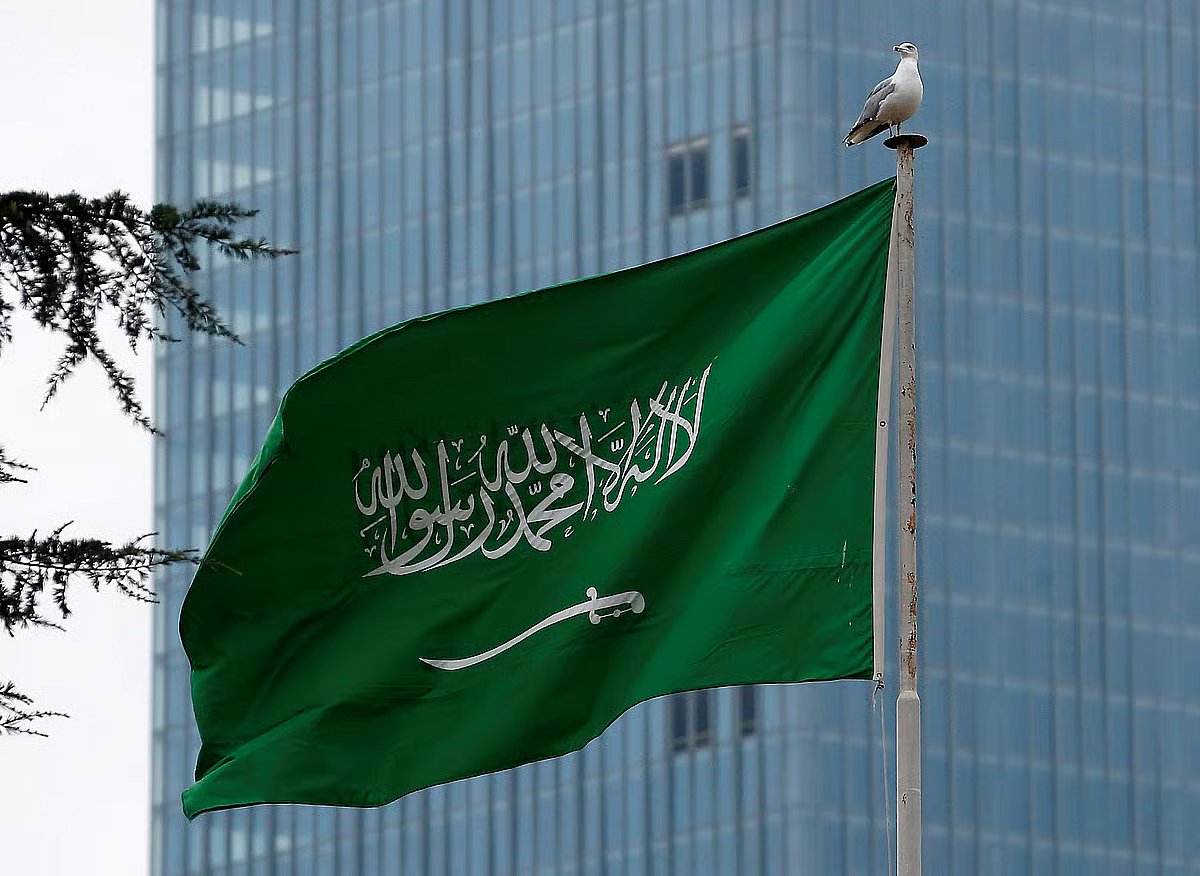
The execution stems from a high-profile case where two Bangladeshi nationals were recently put to death in Saudi Arabia after being convicted of committing an immoral act inside a mosque in the holy city of Mecca. The Saudi Press Agency confirmed the executions, citing the country's Ministry of Interior. The two executed individuals were identified as Nazrul Islam and Sweety Akhter. The incident has drawn significant attention due to the severe nature of the convictions within a holy site.
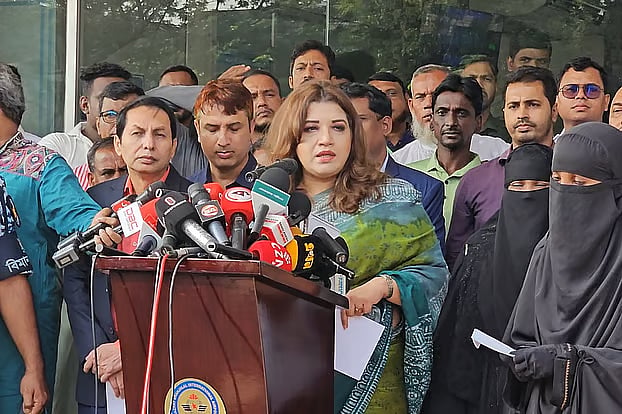
Local administrative officials in Bangladesh, including Brahmanbaria Deputy Commissioner Md Abu Sayeed, stated that they have been formally apprised of the situation and that the district administration will coordinate with central government authorities to handle diplomatic and procedural matters accordingly. The tragic ordeal highlights the profound vulnerabilities and severe legal risks faced by migrant workers abroad, leaving families back home grappling with immense grief and financial ruin.