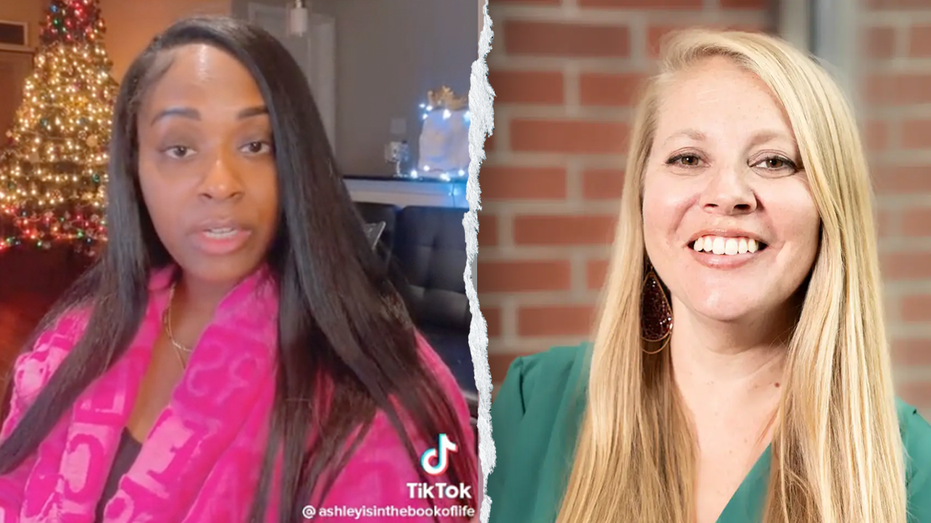
University of Idaho professor Rebecca Scofield has shared a harrowing account of the trauma she endured after being falsely accused of orchestrating the murders of four students in a viral TikTok campaign. The 41-year-old historian, who successfully sued the content creator responsible for the baseless claims, detailed how her life was upended by the digital harassment that followed the November 2022 tragedy.
In a recent op-ed, Scofield described the terror of living under the shadow of a quadruple homicide accusation. She recounted nights spent guarding her children’s bedrooms, paralyzed by the fear that the online vitriol would manifest into physical violence against her family. Despite official statements from law enforcement confirming she was not a suspect, the TikTok influencer, Ashley Guillard, continued to post dozens of videos claiming Scofield was involved in the crimes, even alleging an extramarital affair with one of the victims.

Scofield noted that the algorithmic nature of social media amplified these lies, turning her into a target for millions of viewers. The constant stream of threatening emails and messages forced her to retreat from public life, leading her to teach classes remotely. She emphasized that even after the actual perpetrator, Bryan Kohberger, was arrested, the online accusations against her persisted, highlighting the dangerous disconnect between digital narratives and physical reality.
Following a federal jury’s decision to award her $10 million in damages, Scofield has become a vocal advocate for platform accountability. She argues that Section 230 of the Communications Decency Act provides a shield for tech giants, allowing them to profit from harmful content while avoiding liability for defamation. She believes that without legislative reform, individuals remain vulnerable to the unchecked spread of misinformation.
Reflecting on the broader implications of her ordeal, Scofield warned that social media is fundamentally rewriting how society perceives truth. She noted that while historical analysis requires rigorous research and review, digital platforms prioritize engagement over accuracy, often bypassing the standards of conduct expected in professional journalism.
Ultimately, Scofield’s experience serves as a stark reminder of the human cost of online misinformation. By sharing her story and pursuing legal action, she hopes to encourage a collective effort to combat the propagation of lies in the digital age. Her case remains a significant touchstone in the ongoing debate over the responsibility of social media companies in protecting users from defamatory and dangerous content.