Multiple nations have issued urgent travel advisories for Saudi Arabia, citing growing security concerns following a series of attacks by Houthi rebels targeting airports within the Kingdom. The international community, led by the United States, the United Kingdom, Canada, Japan, and South Korea, has expressed significant apprehension regarding the safety of travelers in the region. Australia and New Zealand are the latest countries to join this list, urging their citizens to exercise extreme caution.
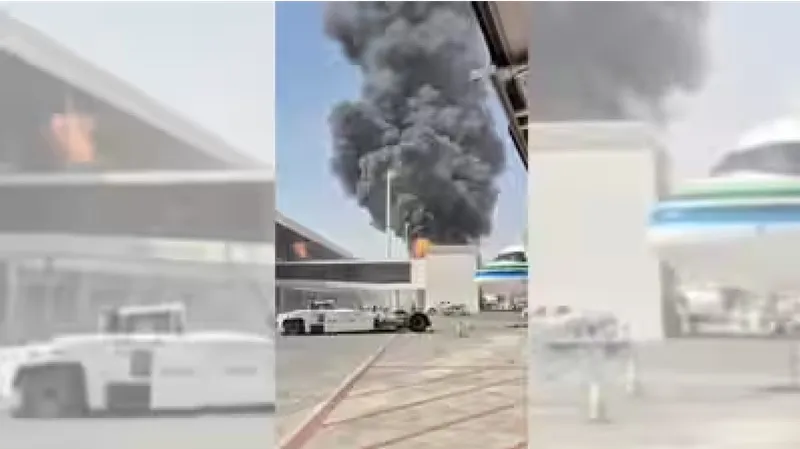
The escalation in drone and missile attacks directed at critical infrastructure and international airports has raised alarms globally. These incidents, which have increasingly targeted civilian aviation hubs, have prompted foreign ministries to advise their citizens to avoid non-essential travel to the region. The security situation remains fluid, with embassies providing regular updates to their nationals currently residing or working in Saudi Arabia.

Security analysts suggest that these attacks are part of a broader strategic pressure campaign linked to the ongoing conflict in Yemen. While the Saudi-led coalition maintains that they are successfully intercepting the majority of these threats, the risk to civilian aviation remains a primary concern for international aviation authorities. Specific attention has been drawn to the security protocols at major hubs, including Riyadh, Jeddah, and Abha.
Travel advisories currently in effect emphasize the need for citizens to avoid crowded areas and strictly adhere to local security directives. Furthermore, foreign nationals are encouraged to maintain constant communication with their respective embassies to receive real-time safety updates. The uncertainty surrounding these security threats has created a challenging environment for both the tourism and business sectors within the Kingdom.
In response to these developments, Saudi authorities have reiterated their commitment to safeguarding their airspace and critical infrastructure. They maintain that comprehensive measures are in place to neutralize threats and protect civilian lives. Meanwhile, the international community continues to push for diplomatic solutions to the regional conflict, aiming to restore stability and ensure the safety of all individuals in the area.
These travel advisories are expected to remain in place until the security situation stabilizes. The ongoing tension underscores the broader geopolitical challenges facing the region, leaving expatriates and travelers alike in a state of heightened vigilance as they navigate the current security landscape.