Indonesia is currently grappling with one of the most severe wildfire crises in over a decade, driven by extreme weather patterns and prolonged dry spells. The resurgence of a powerful El Niño phenomenon has caused temperatures to soar and rainfall to plummet across the archipelago, turning lush forests and peatlands into tinderboxes. While Sumatra and Borneo have borne the brunt of the devastation, the fires have now spread to Sulawesi Island, directly threatening some of the world's oldest known prehistoric art and archaeological treasures.
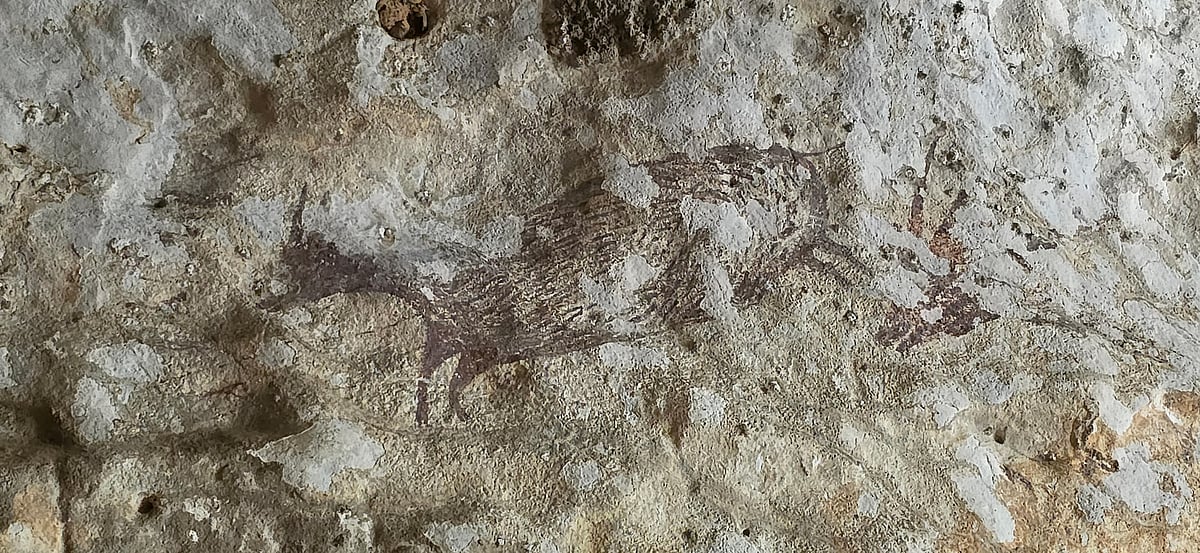
Southern Sulawesi is home to extensive limestone cave networks that house extraordinary examples of early human artistry. Researchers from Australia's Griffith University have previously dated figurative art depicting human-like figures and wild pigs in the Maros-Pangkep caves to at least 51,200 years ago. Additionally, a cave on Muna Island off the coast of Sulawesi contains ancient red hand stencils estimated to be roughly 67,800 years old. These priceless prehistoric works serve as vital windows into the cognitive and cultural evolution of early human societies.

The recent blazes have crept dangerously close to the Maros-angkep cave sites, raising profound concerns among conservationists and researchers. Heavy smoke has billowed over the surrounding national parks and UNESCO Global Geopark, which are celebrated for their unique karst landscapes. Experts warn that the intense heat and corrosive smoke from the wildfires could accelerate the degradation of the delicate limestone surfaces, potentially causing the ancient pigments to flake off or permanently fade.
Local firefighters and emergency response teams have been deployed to establish containment lines and battle the encroaching flames. Firefighter Muhammad Iqbal reported that active blazes burned near the heritage sites for over a week earlier this month, with flames coming within 800 meters of the caves before being beaten back. While immediate disaster has been averted through intensive firefighting efforts, the risk remains persistently high as dry conditions continue to plague the region.
Environmental scientists emphasize that these escalating wildfire threats underscore the urgent need for global climate action and robust regional conservation strategies. The irreplaceable cave art of Sulawesi represents not only Indonesia's national heritage but a cornerstone of shared human history. Safeguarding these ancient sites requires sustained monitoring, rapid-response firefighting capabilities, and comprehensive ecological preservation measures to ensure they survive for future generations.