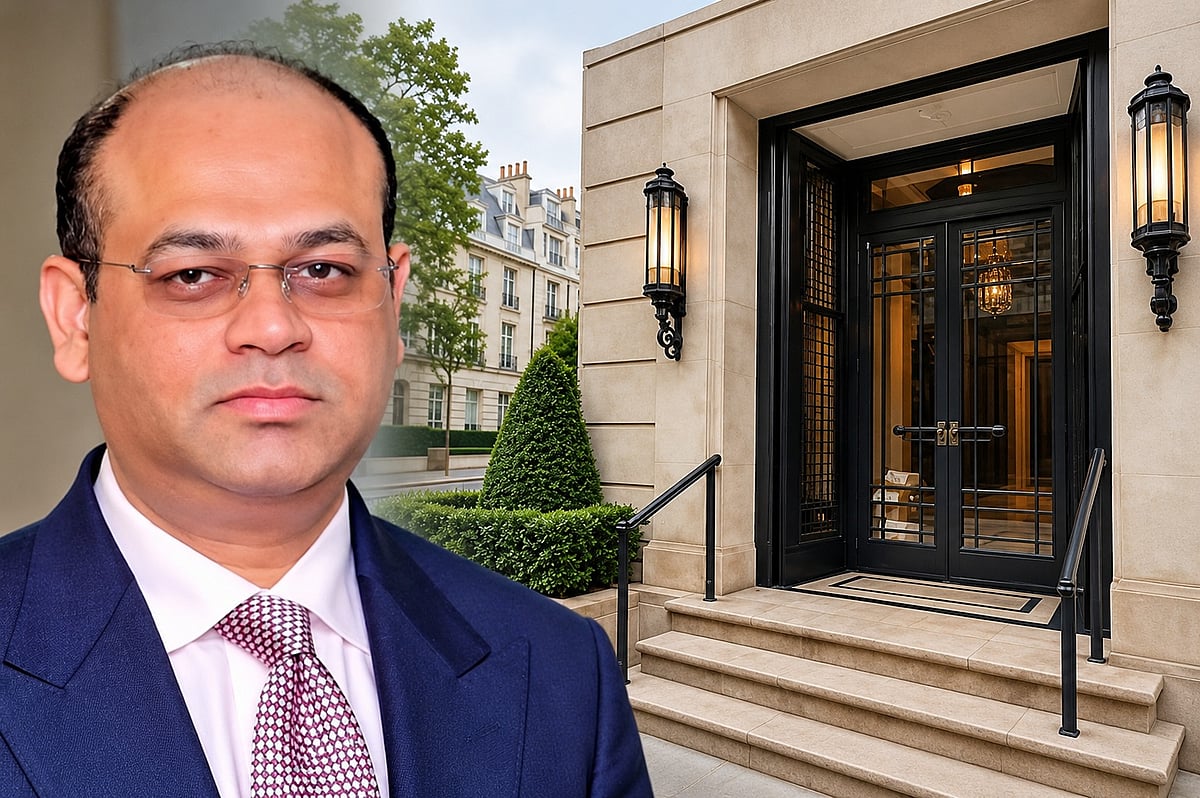
The High Court of the United Kingdom has issued a freezing order preventing the sale or transfer of a luxury apartment valued at approximately £15 million, located near Regent's Park in London. This decisive judicial action is part of an ongoing extensive investigation by the UK's National Crime Agency (NCA) into suspected money laundering activities involving influential political figures from Bangladesh.
According to court filings and investigative details, the high-value property is linked to Anisuzzaman Chowdhury 'Roni', the brother of Saifuzzaman Chowdhury, a former land minister of Bangladesh. When the property was acquired in 2023, the financial trails and the origins of the funds raised serious red flags among British financial intelligence units. During legal proceedings, the registered owners and associated parties failed to provide a satisfactory and verifiable explanation regarding the legitimate source of the purchase money. Under the UK's robust anti-corruption legislative framework, an inability to account for the origins of suspicious wealth creates strong legal grounds for presuming that the assets were acquired through illicit means.

Investigators have also uncovered deliberate attempts to obscure the true beneficial ownership of the flat through complex and opaque corporate structuring. Notably, in September 2025, company shares associated with the property were transferred for a nominal value of just one pound, a maneuver that further heightened suspicions of deliberate asset concealment. Anisuzzaman Chowdhury has consistently failed to substantiate how such a substantial sum of money was lawfully earned and transferred for this acquisition.
This development forms a critical component of a broader, high-profile crackdown by the National Crime Agency targeting illicit wealth parked in the British capital. Earlier in June 2025, the UK courts issued freezing orders against assets valued at approximately £185 million directly connected to the former land minister Saifuzzaman Chowdhury. British authorities have intensified scrutiny on politically exposed persons and their associates who utilized overseas property markets to park capital suspected of originating from corruption or financial crimes in their home country.
Legal experts suggest that these coordinated international actions by British enforcement agencies underscore a zero-tolerance policy toward global financial crimes and dirty money. The freezing of multi-million-pound properties not only highlights the vulnerability of high-end real estate to money laundering but also sets a significant precedent for international asset recovery. As the NCA continues its thorough probe, further legal challenges and potential forfeiture proceedings loom for those linked to these questionable overseas fortunes.