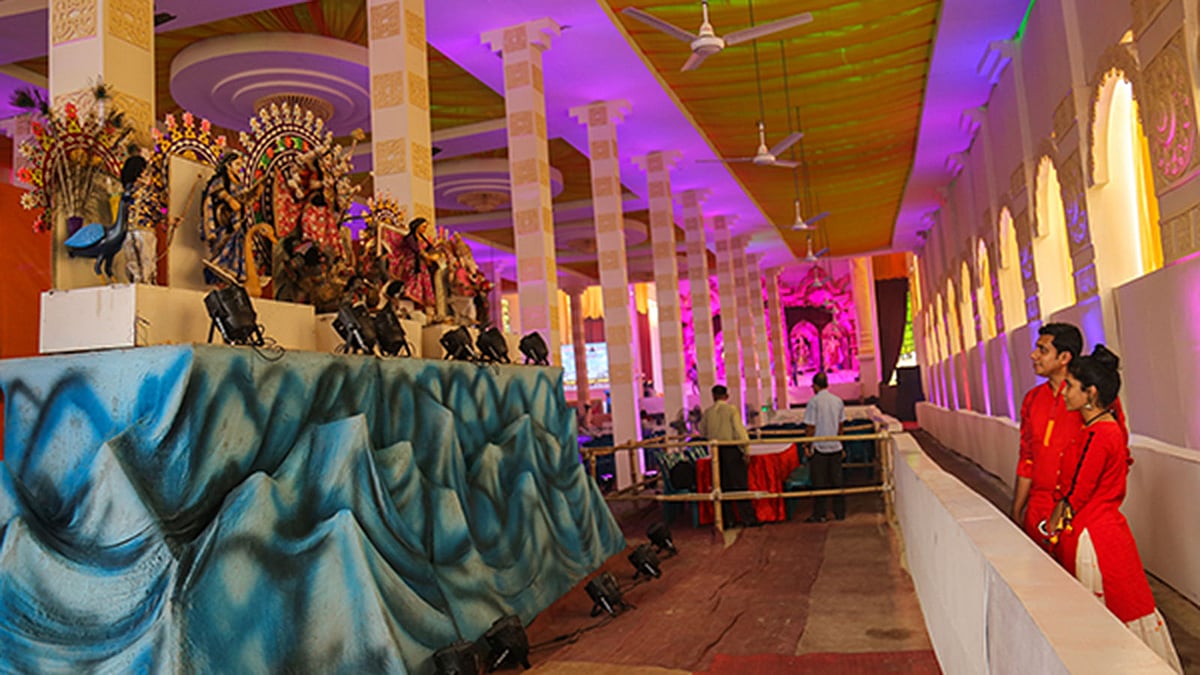
From early childhood, Durga Puja has always been a unique festival of joy, excitement, wonder, and deep emotion. The familiar streets of Sirajganj town, the colorful illumination of the pandals, the joy of buying new clothes, the rhythmic beats of the traditional dhak, and roaming around with friends created a festive atmosphere that made these days the most anticipated time of the year. The whole year was spent waiting for those few precious days. Thinking about when the puja would arrive, when to wear new clothes, and when to venture out with friends to explore various pandals filled those childhood days with extraordinary joy.
Looking back after all these years, one realizes the immense value of that simple childhood happiness. Back then, material abundance might have been lacking, but the mind was filled with boundless curiosity and innocent dreams. Just a minor new dress, standing in front of the pandal to behold the idol, or wandering around the fair with friends constituted the greatest achievement in life. Those simple joys of life remain priceless treasures in the pages of memory today, pulling the heartstrings back to simpler times.

Even today, closing one's eyes brings back vivid memories of rushing off right after school to watch the creation of Goddess Durga's idol. Every single step of idol making was a miraculous experience. Starting from building the bamboo structure, shaping the form with straw, applying layers of clay, to slowly bringing out the facial features and limbs—everything opened up a new world right before the eyes. The meticulous craftsmanship of the artisans left a profound impression on the young mind.
Following that came the intricate work of giving form and expression to the deity. Crafting facial expressions, painting the eyes, applying vibrant colors, and adorning the idol with traditional ornaments were mesmerizing moments to witness. Watching a structure of straw and clay transform into a living divine presence in the blink of an eye was nothing short of pure wonder. The dedication of these traditional clay modelers deeply influenced the landscape of childhood imagination.
With the passage of time, life has changed dramatically, and the mechanical nature of modern living has transformed the surrounding environment. Yet, the fragrance of those golden days and the pure joy of the festival have not faded away. Amidst the hustle and bustle of busy urban life, the pandals of childhood, the scent of fresh clay during idol making, and the chatter of friends remain the most vibrant and lively canvas in memory.