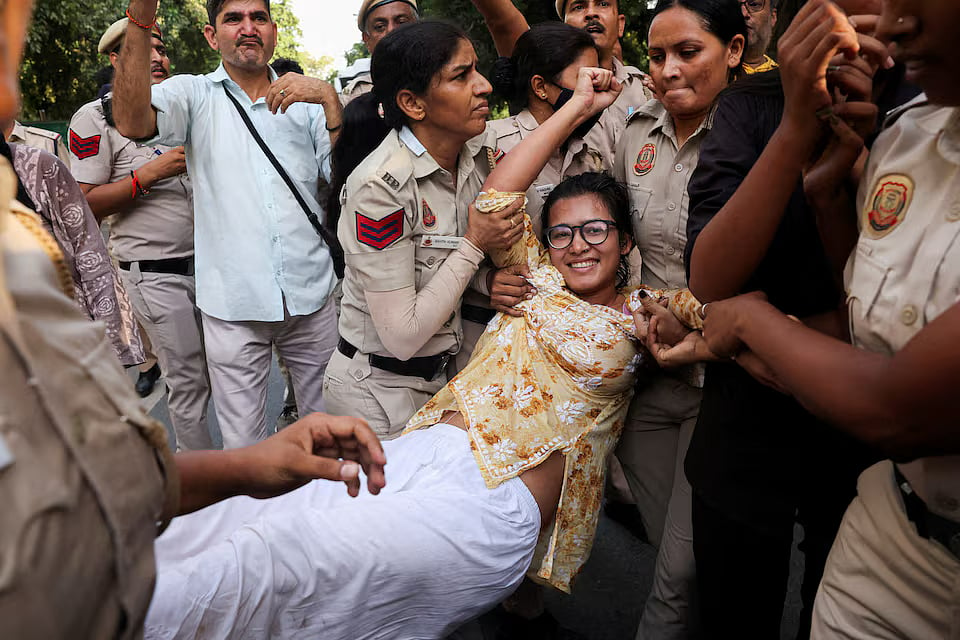
Twenty-nine-year-old left-wing student leader Neha Bora has rapidly become a familiar and influential face on Indian streets, emerging as a primary symbol of the fierce 'Gen-Z' youth protests against Prime Minister Narendra Modi's administration. Moving beyond college and university campuses, Bora has firmly established herself at the center of national political discourse, capturing widespread attention amid mounting youth discontent.
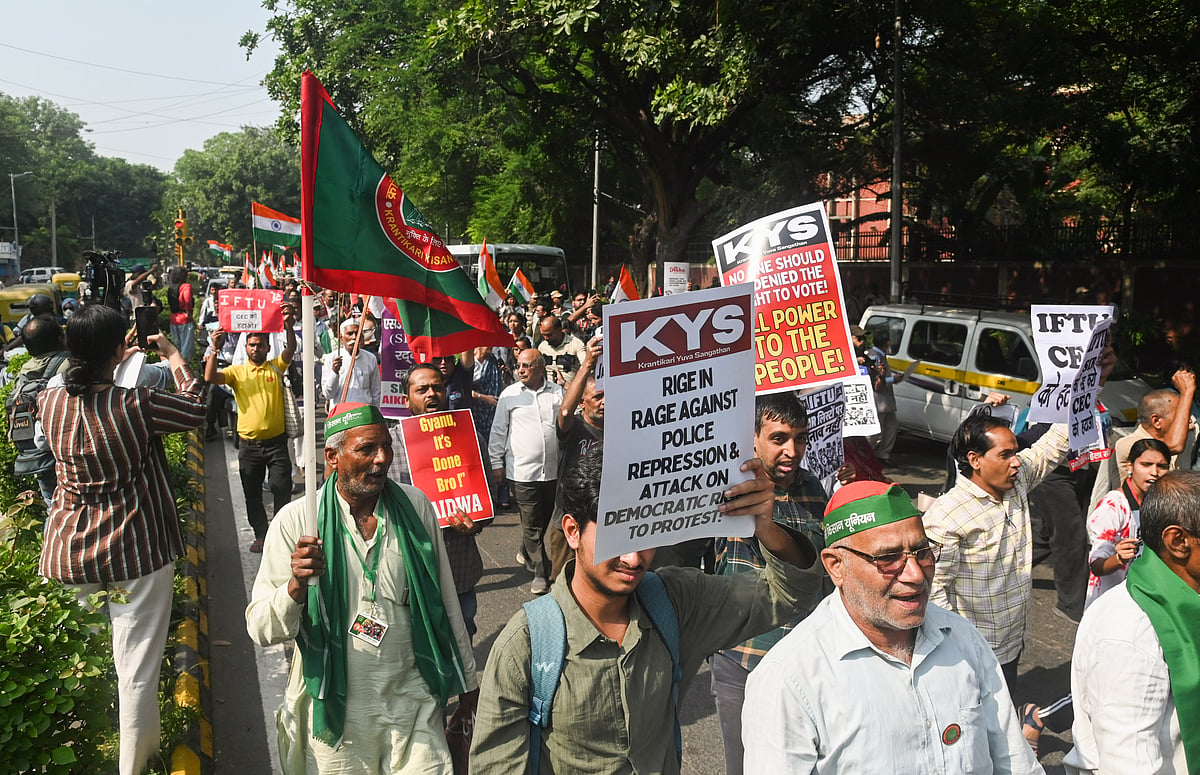
The political spotlight intensified significantly on October 12, when prominent opposition leader Rahul Gandhi led a massive march toward the Supreme Court accompanied by thousands of supporters. The procession aimed to submit a formal petition seeking the removal of the Chief Election Commissioner. At the forefront of this high-profile march, marching shoulder-to-shoulder with the opposition leader, was Neha Bora, a development that instantly drew national media scrutiny.

During the march, Gandhi was flanked by two women: his younger sister and trusted political confidante Priyanka Gandhi, and the young student leader Neha Bora. Just a few months prior, Bora's name was largely confined to student politics circles and remained unknown to the broader public. However, her prominent positioning in the Supreme Court march propelled her overnight into the upper echelon of India's youth-led political resistance.
After remaining in power for twelve consecutive years, Prime Minister Narendra Modi's government has recently encountered some of its most formidable political challenges. Widespread anger erupted among the country's Gen-Z generation following a series of government recruitment examination paper leaks, a crisis that ultimately forced the administration to remove its education minister. Compounding these pressures, youth activists have raised serious concerns over controversial voter list revisions that allegedly excluded the names of nearly 13 million citizens.
Against this backdrop, Bora and her peers have played a pivotal role in organizing and mobilizing young citizens. Continuous demonstrations led by student factions at New Delhi's Jantar Mantar have even drawn international media attention. The rising momentum has prompted many young students, such as 24-year-old Nisha Nath, to openly ponder whether emerging figures like Bora represent a refreshing new voice for Indian democracy.
Whether Neha Bora and the broader Gen-Z movement can crystallize into a sustained, formidable electoral challenge to Prime Minister Modi remains a subject of intense debate among political analysts. While Indian politics has traditionally been dominated by seasoned veterans, the active participation of politically conscious youth and the resurgence of grassroots leftist activism could significantly alter the nation's political landscape in the foreseeable future, as opposition parties seek to leverage youth discontent ahead of upcoming political battles.