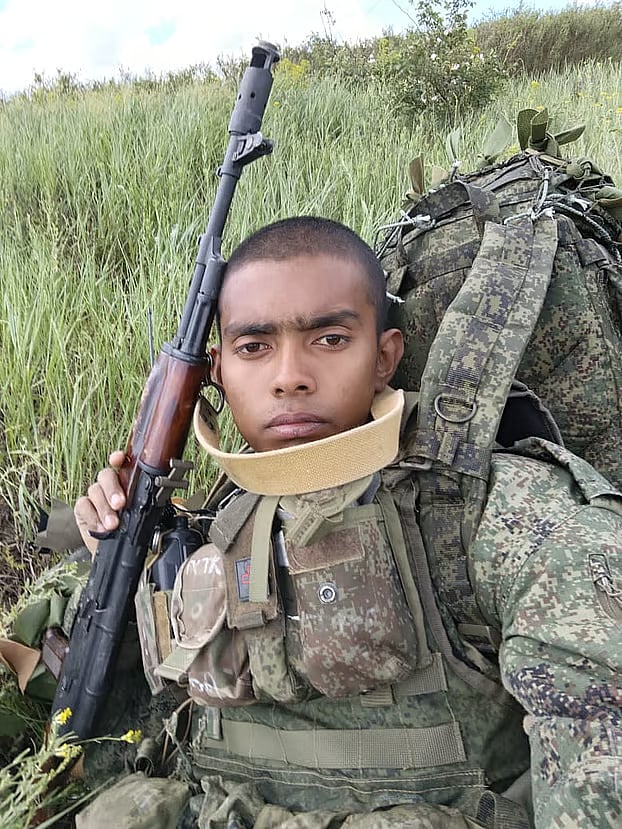
Pabitra Chandra, born into an impoverished family in Gopalpur, Tangail, worked tirelessly as a carpenter to support his dependents. Chasing the dream of a secure financial future, he sold his wife's gold jewellery and accumulated substantial debt from microfinance institutions and local moneylenders to fund a journey to Russia. Promised a stable job abroad, Pabitra and 29 other Bangladeshi nationals instead found themselves forcibly funneled into the active combat zones of the Russia-Ukraine war. Surviving companions later brought the tragic news to his family that Pabitra had perished in the trenches. Today, alongside the unbearable grief of his loss, the family faces relentless, harrowing demands from creditors to repay the massive loans.
Pabitra's household is far from an isolated case. The families of all 30 young Bangladeshi men deceived by fraudulent overseas employment schemes share a similar harrowing narrative of exploitation and despair. Reports indicate that out of the 30 victims, at least 20, including Pabitra, have lost their lives in the brutal conflict. Two others sustained serious injuries and are currently undergoing medical treatment in Russian hospitals, while only two have managed to return to Bangladesh. The remaining six individuals remain trapped on the frontlines, compelled to fight against their will.

According to findings disclosed during an official press conference by the Special Response Battalion (SRB), the 30 men departed for Russia on May 7 through three agencies identified as Jabal-e-Noor, RS International, and TS Group. Each victim was charged an average of one million taka under the false pretext of secure employment within Russian construction firms. Upon arrival, however, their passports and mobile phones were systematically confiscated, stripping them of their freedom before they were handed over to military units.
The devastated relatives of the victims allege that greedy trafficking syndicates lured their breadwinners into a death trap. With their primary earners gone and accumulated debts multiplying every day, these families are pushed to the brink of utter destitution. They have issued urgent appeals to government authorities to secure the immediate repatriation of the six surviving men still stranded in the active war zone.
This grim episode exposes the dangerous vulnerabilities within unauthorized recruitment networks and highlights the urgent need for stringent regulatory oversight over manpower export agencies. Civil society groups and legal experts are calling for the swift apprehension and prosecution of the brokers involved in this human trafficking ring. Meanwhile, diplomatic channels must be actively utilized to ensure the safety and return of all remaining Bangladeshi citizens trapped abroad.