

In the post-World War II geopolitical landscape, the relationship between the United States and Japan has evolved into a cornerstone of regional stability. Particularly in the face of China's rising economic and military influence in the Indo-Pacific, the two nations have become indispensable strategic partners. However, this alliance is not without its complexities. Historical friction, such as issues surrounding US military bases in Okinawa and Japan's neutral stance during US-Iran tensions, has occasionally tested the strength of their bilateral ties.
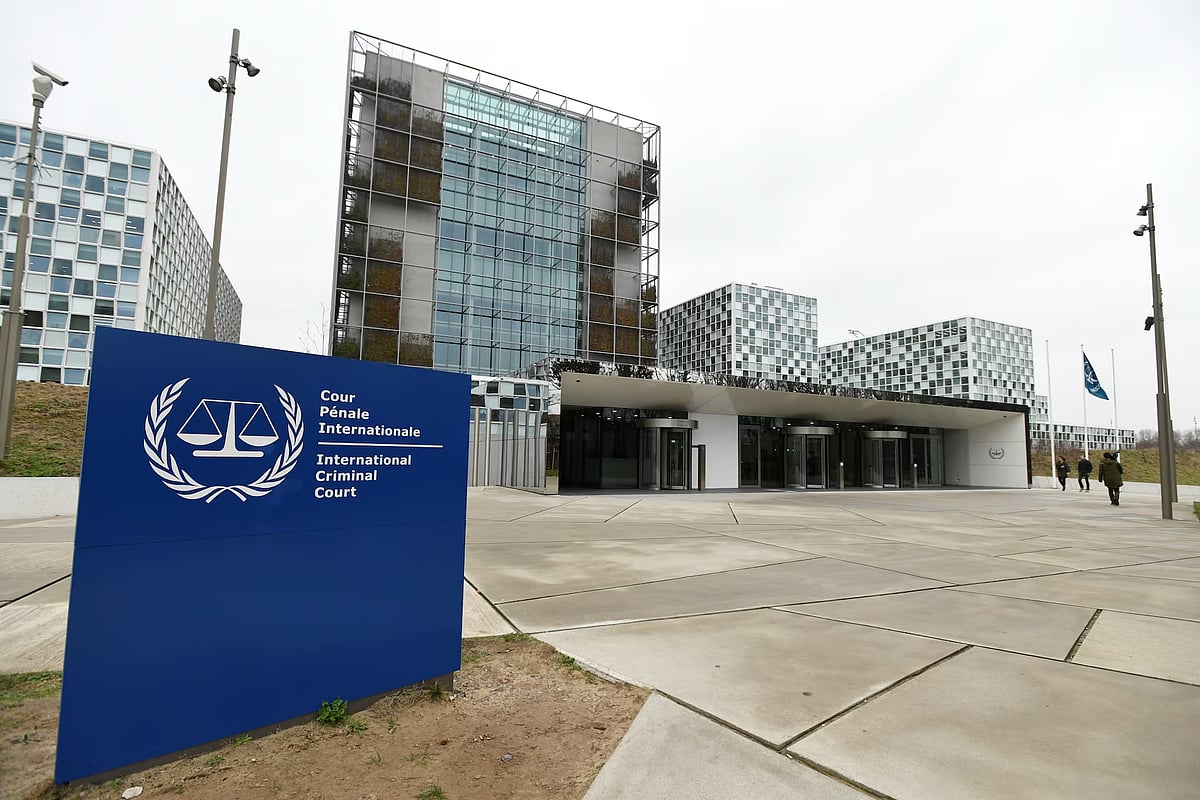
The recent imposition of sanctions by the United States against the International Criminal Court (ICC) has introduced a new layer of diplomatic strain. Announced on October 9, the US measures include freezing the court's assets, restricting transactions with American entities, and obstructing essential services required for the court's operations. While a 180-day grace period has been granted, extending until April 2027, the long-term implications remain a significant concern for international stakeholders.

For Tokyo, this development presents a profound diplomatic dilemma. On one hand, Japan has consistently championed the independence of international judicial institutions and the global rule of law. On the other hand, its national security is inextricably linked to its military alliance with Washington. Balancing these two priorities has become a delicate act for Japanese policymakers, who must navigate the pressure without alienating their most critical security partner or undermining their own commitment to international justice.
Analysts suggest that the ICC issue is not merely a legal dispute but a litmus test for Japan's foreign policy. A direct confrontation with the US over these sanctions could jeopardize the security framework that Japan relies upon. Conversely, distancing itself from the ICC could damage Japan's reputation as a staunch defender of international norms and human rights.
As the situation unfolds, the international community is closely watching Tokyo's next moves. It is likely that Japan will pursue back-channel diplomacy with Washington to find a middle ground—one that preserves the integrity of the ICC while maintaining the stability of the US-Japan alliance. Navigating this complex diplomatic landscape remains the primary challenge for Japanese leadership in the coming months.


