October 24 marks United Nations Day, a day that commemorates the formal adoption of the UN Charter in 1945. Born from the ashes of World War II and the failure of the League of Nations, the organization was envisioned as the ultimate guardian of global peace and security. However, as the UN approaches its 81st anniversary, it finds itself at a critical juncture, facing existential questions regarding its relevance and efficacy in an increasingly polarized world.
The historical context of the UN's inception is rooted in the post-war vision of leaders like Harry S. Truman, who succeeded Franklin D. Roosevelt. In his address to the U.S. Congress on April 16, 1945, Truman emphasized that defeating the Axis powers was merely the first step; the true challenge lay in building a sustainable international order. Eight decades later, that vision is being tested by the resurgence of great power competition and the paralysis of the UN Security Council, where the frequent use of veto power often prevents decisive action in conflict zones.

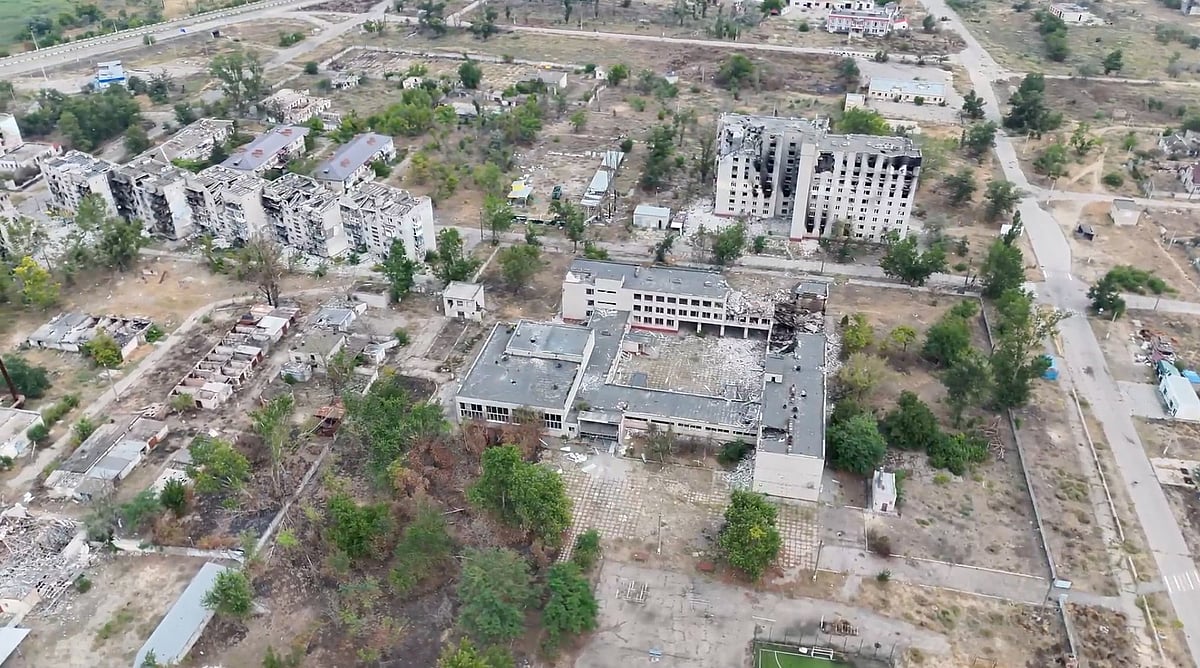
Today, the organization is grappling with multifaceted challenges, ranging from intractable regional wars in the Middle East and Eastern Europe to the existential threats posed by climate change and the rapid, unregulated advancement of artificial intelligence. Critics argue that the UN's bureaucratic structure is ill-equipped to handle the speed and complexity of 21st-century crises. Furthermore, the emergence of alternative diplomatic initiatives, such as the 'Board of Peace' proposed by Donald Trump, has sparked fears that the UN's central role in global governance could be further marginalized.
The gap between the noble aspirations of 1945 and the harsh realities of today is widening. For the United Nations to survive and remain relevant, it requires more than just symbolic support; it demands fundamental structural reform and a renewed commitment from global powers to prioritize collective security over national interests. Without such a transformation, the institution risks becoming a relic of the past, unable to address the pressing needs of a volatile global landscape.