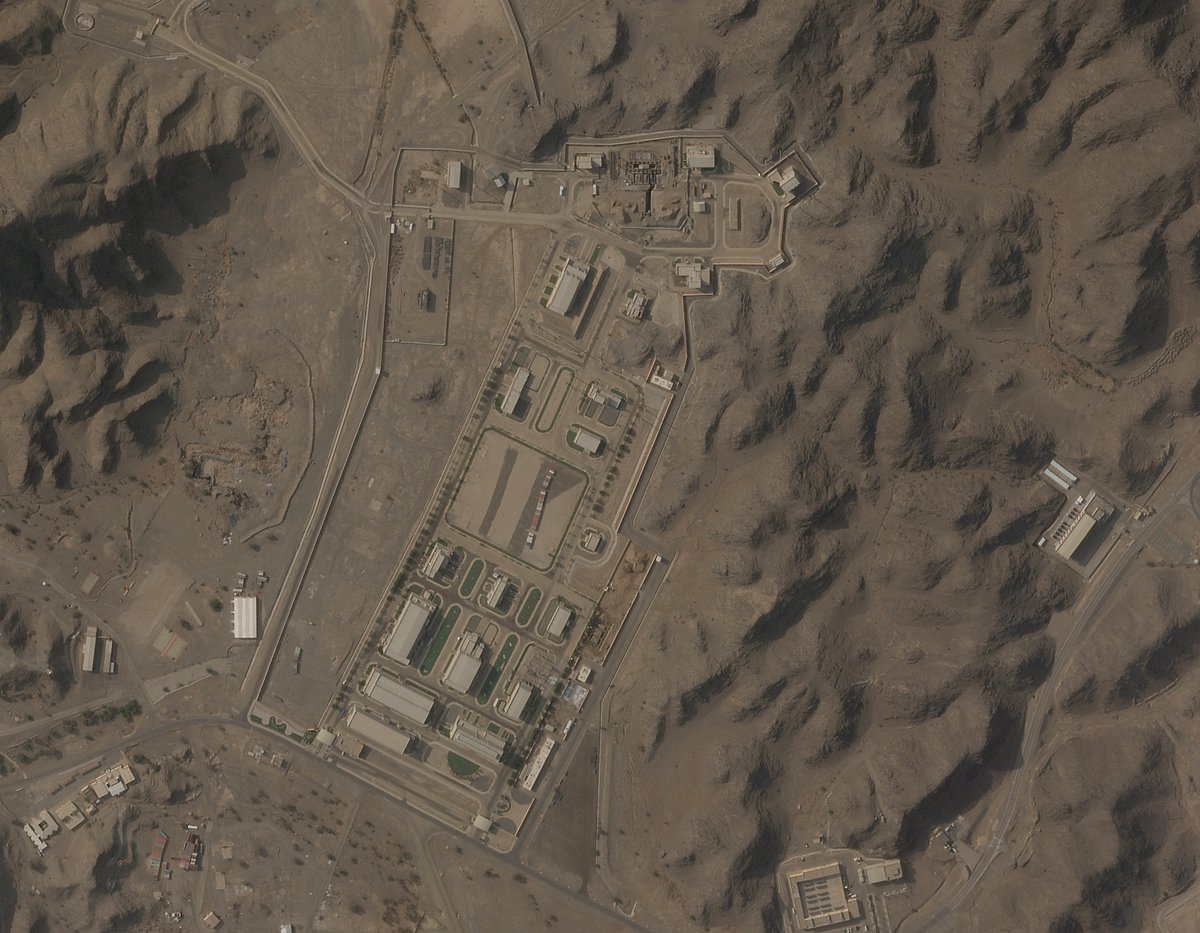
Saudi Arabia is reportedly expanding its ballistic missile manufacturing infrastructure, according to an extensive analysis of commercial satellite imagery by United States-based researchers. The findings suggest that the kingdom is enhancing its capacity to produce larger, more capable solid-fuel missiles that could potentially achieve extended ranges and carry heavier payloads, marking a significant step in its domestic defense manufacturing ambitions.
The research focuses on the al-Duwadimi complex located west of the capital city, Riyadh. Over a monitoring period spanning from early 2025 through late 2026, satellite photos captured by commercial operators revealed the construction of new substantial structures, including specialized casting pits where solid propellants are mixed and poured into missile motor casings. These new facilities are notably larger than the pre-existing infrastructure at the site and are strategically flanked by protective blast walls designed to mitigate the risks of accidental explosions.

While the expansion is seen as a strategic move to boost Saudi Arabia's military self-reliance and bolster its deterrence posture against regional threats—particularly from neighboring Iran and the Tehran-backed Houthi movement in Yemen—it carries profound geopolitical implications. Defense analysts warn that the acquisition of more advanced missile technology could ignite a wider regional arms race, destabilizing an already volatile Middle Eastern security landscape.
Furthermore, this development threatens to complicate diplomatic ties with Western allies, most notably the United States. The expansion could harden opposition within the US Congress against prospective civil nuclear agreements with Riyadh, as American lawmakers remain highly sensitive to regional weapons proliferation issues. Such congressional pushback might create legislative hurdles for broader bilateral cooperation agreements that require legislative approval.
Official representatives and ministries in Riyadh have thus far declined to comment on the satellite findings or provide clarifications regarding the scope of the al-Duwadimi facility's upgrades. As international watchdogs and foreign policy institutes continue to monitor these developments, the situation underscores the ongoing challenges of balancing national defense imperatives with regional non-proliferation norms and international diplomatic stability.