The familiar nursery rhymes and deep-rooted cultural heritage of Bengal are intricately tied to its unique cycle of six seasons. From the torrential monsoon rains and autumnal white clouds to the golden harvests of autumn, foggy winter mornings, and the gentle breeze of spring, each season has historically shaped Bengali literature, festivals, and agricultural life. However, this classic natural rhythm is facing unprecedented disruption today. Citizens now frequently experience droughts during the rainy season and stifling heat waves coupled with untimely downpours during autumn and late autumn, raising serious questions about the changing face of nature.
From a scientific perspective, although the traditional Bengali calendar recognizes six distinct seasons, meteorologists generally categorize Bangladesh's climate into three or four major seasons for analytical purposes. Therefore, claiming that 'six seasons have reduced to three' is technically inaccurate. The real cause for alarm is how shifts in temperature, precipitation, and humidity are altering the traditional sensory experience of these seasons, as well as disrupting agricultural calendars. Temporary weather anomalies cannot be equated with climate change, which requires rigorous long-term data analysis spanning decades.

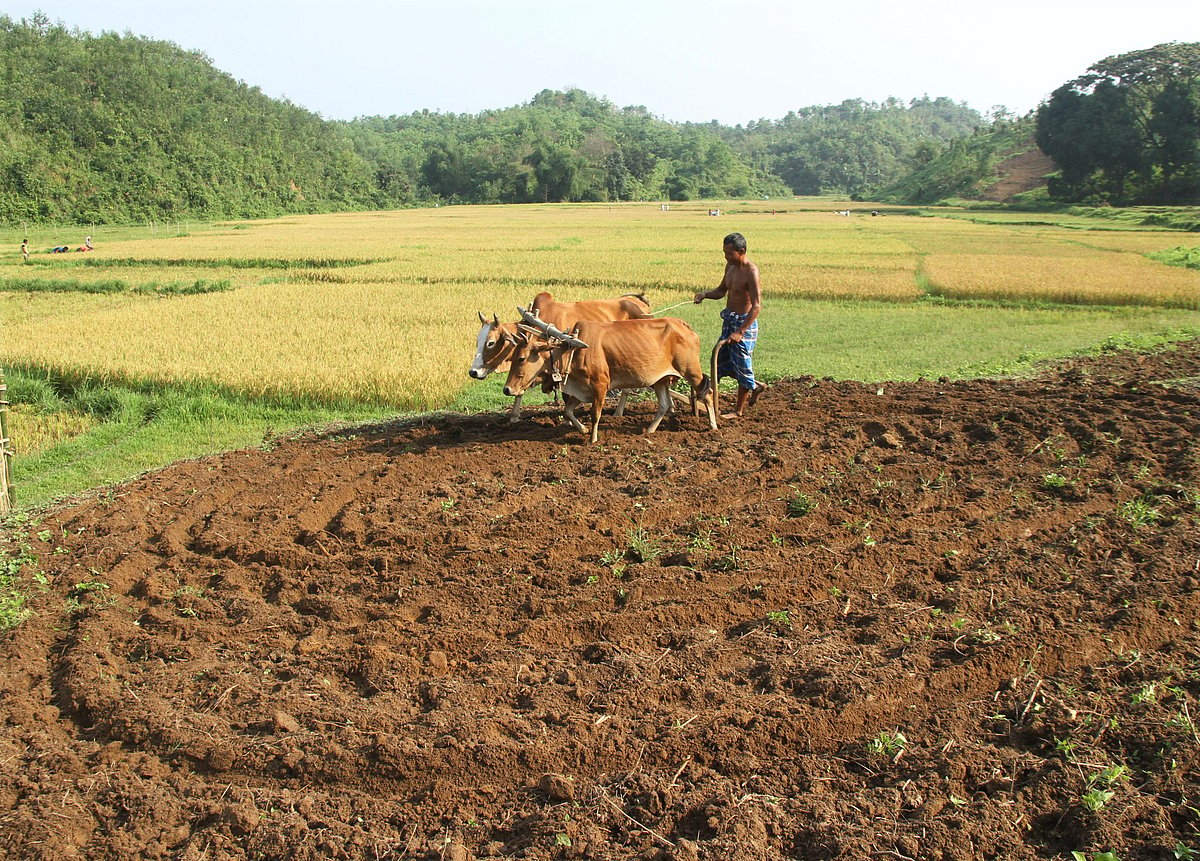
The transformation of autumn and late autumn extends far beyond the fading sight of blue skies or morning dew. These changes directly impact agricultural milestones, such as the cessation of monsoon rains, the ripening of paddy in fields, and winter temperature drops. Winter no longer exhibits a uniform pattern across the country; while northern regions occasionally experience severe cold waves, densely populated urban areas witness increasingly warmer nights due to rapid and unplanned urbanization. Long-term scientific observation is also required to track shifts in blooming cycles and floral patterns during spring.
Recent global financial and environmental reports indicate that rising temperatures are posing severe threats to public health and the economy of Bangladesh. The noticeable shifts in temperature and rainfall patterns observed since the 1980s have exerted immense pressure on local ecosystems. In particular, increasing salinity in coastal zones and depleting groundwater levels in northern regions are jeopardizing rural livelihoods. This disruption of the seasonal cycle affects not only environmentalists but the daily lives of all citizens.
Immediate, coordinated, and long-term measures are imperative to combat these adverse environmental shifts. Emphasizing afforestation, reducing carbon emissions, and implementing eco-friendly development policies are crucial steps forward. Furthermore, farmers must be supported in adopting climate-resilient agricultural practices to safeguard food production against sudden floods and droughts. Preserving the verdant nature and diverse seasonal heritage of Bengal for future generations requires urgent localized action alongside global advocacy for climate justice.