As autumn progresses across Bangladesh, rural landscapes and hill tracts display a harmonious blend of natural beauty and daily human endeavor. From the serene wetlands of the southern districts to the undulating terrain of the Chittagong Hill Tracts, everyday life reflects an enduring connection between nature and local livelihoods.
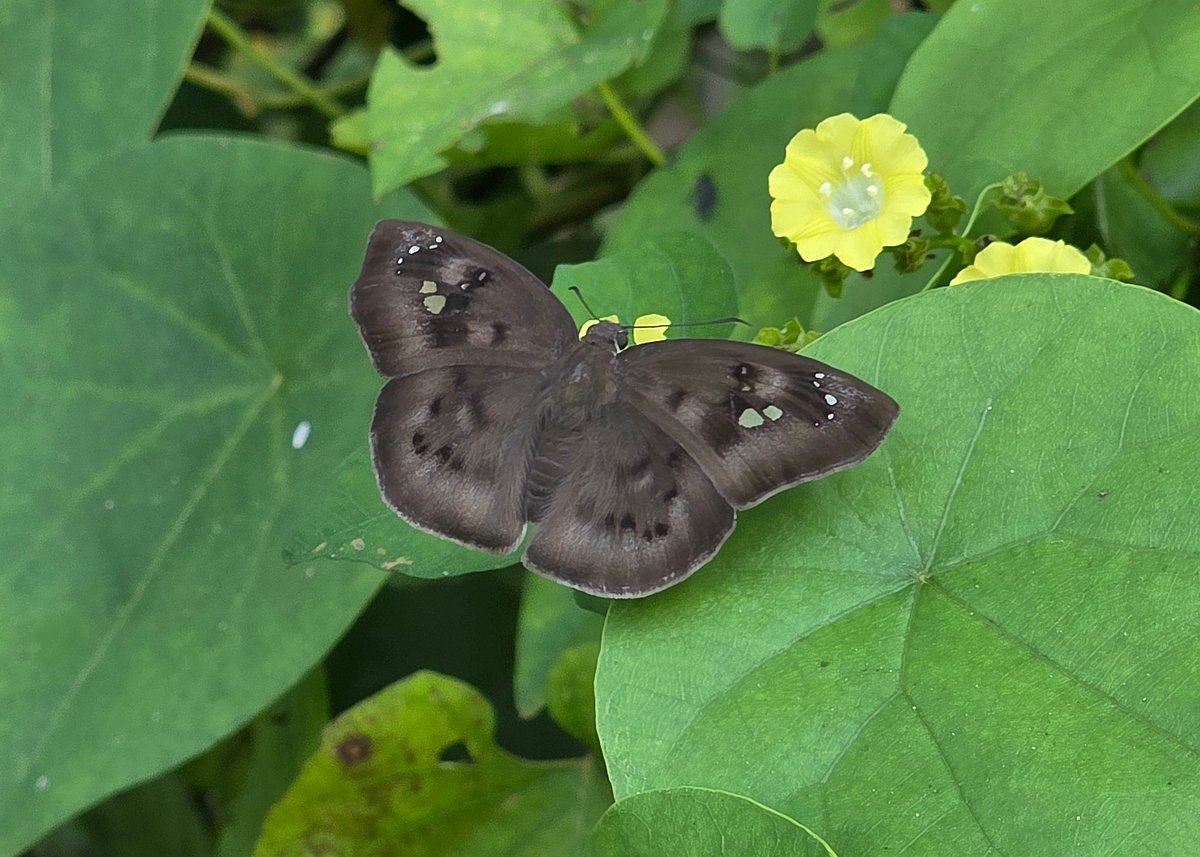
The natural world presents quiet moments of splendor across the regions. White water lilies bloom in Khulna's aquatic bodies, while native birds forage among foliage. In Manikganj, butterflies flutter from flower to flower collecting nectar, and in Gazipur's agricultural fields, wildlife coexists alongside lush vegetable plots, highlighting the ecological vitality of the countryside.

Economic activities across rural communities remain deeply tied to traditional occupations and small-scale trade. In Rangpur, fishermen return from early morning catches with their nets, securing food and income for their families. In Rangamati, smallholders bring home-reared poultry to market, while women farmers navigate dew-covered fields in Rangapani to harvest ripe seasonal crops.
Cultural identity and regional commerce are equally visible in local gatherings. At the Banarupa weekly market in Rangamati, buyers and sellers trade traditional indigenous garments such as 'Pinon' and 'Hadi', preserving unique cultural heritage. Meanwhile, in Bogura, press workers bind books in busy print shops and street vendors set up outside local schools, adding to the tapestry of everyday municipal life.
These ongoing routines across various districts underscore the resilience, self-reliance, and cultural richness of grassroots Bangladesh. As seasons transition, the steady dedication of farmers, artisans, and tradespeople continues to sustain the nation's rural economy and preserve its distinctive heritage.