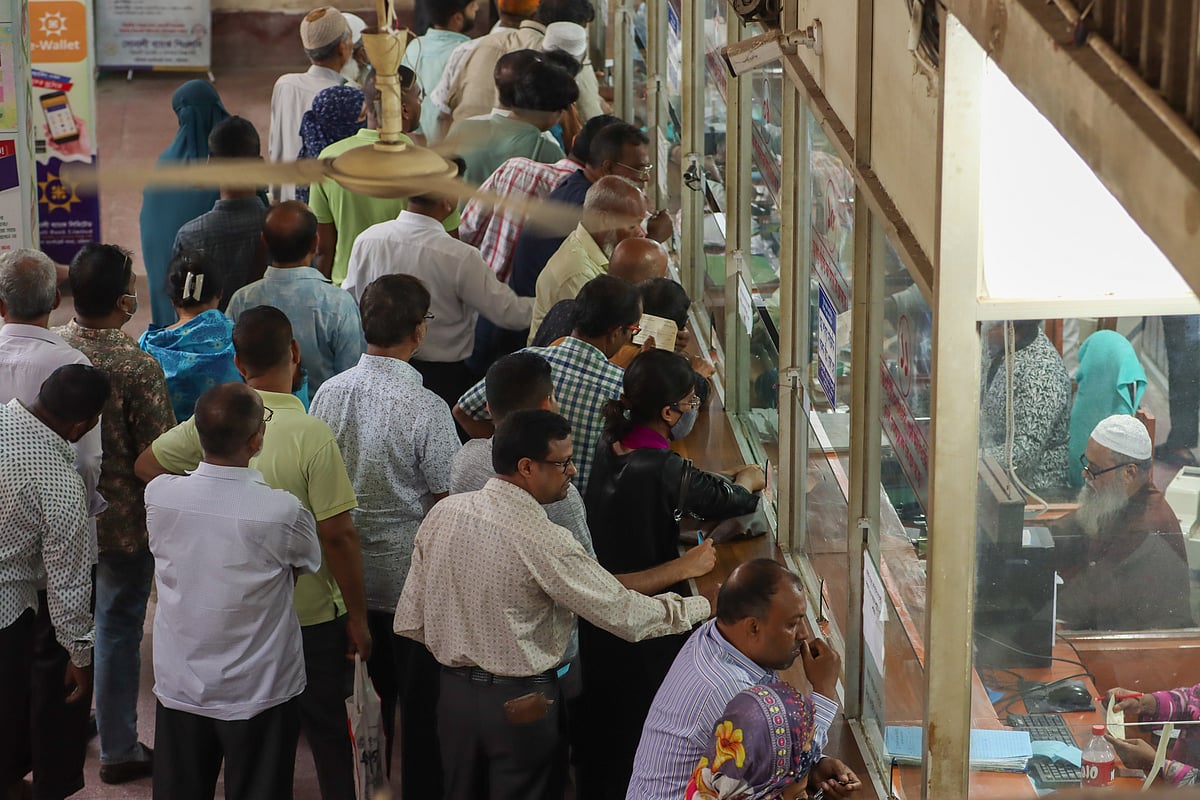

Markets, shopping malls, and retail shops across the capital have officially returned to their previous operating schedule of 11:00 am to 8:00 pm following the expiration of a temporary festive hour extension granted during the recent Durga Puja celebrations. Under a directive issued earlier by the Power Division, commercial establishments in the city were permitted to keep their doors open until 10:00 pm throughout the festival period to accommodate holiday shoppers.
The extended trading schedule, which provided significant relief to retailers during the peak festive season, remained in effect until Thursday. According to the official Power Division directive, the standard operating schedule came back into full effect on October 23. Business owners and market committees have smoothly transitioned back to the regular hours, aligning with the administrative requirements set for commercial zones across Dhaka.

This schedule regulation is a continuation of the government's broader austerity and energy conservation framework. On August 12, the administration imposed strict limitations on commercial operating hours as part of a concerted national effort to save and manage electricity consumption amid global energy supply challenges. Alongside the closing time restrictions, the Power Division had also instructed commercial establishments and shopping malls to turn off all decorative and non-essential exterior lights after 7:00 pm to minimize power grid pressure.
Traders and shop owners in major commercial hubs of the capital have largely cooperated with these energy-saving mandates despite the initial disruptions to their daily turnover. While the temporary extension during Durga Puja offered a brief respite for festive commerce, the return to the standard closing hour demonstrates the ongoing commitment to national resource management. Consumers have also adapted their shopping habits to fit within the designated morning-to-evening window.
Energy experts and administrative officials maintain that such pragmatic measures are vital for stabilizing the national power grid and reducing overall consumption during peak demand hours. Regular monitoring by local authorities ensures that commercial entities adhere to the stipulated timelines, reinforcing the collective effort toward sustainable energy utilization across the country.