


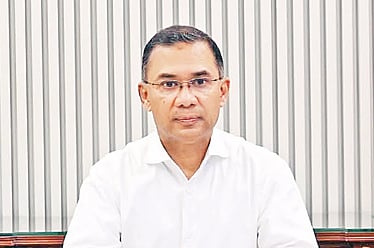
Prime Minister Tarique Rahman is leaving for Japan tomorrow, October 26, on a four-day official visit. In addition to holding a summit with Japanese Prime Minister Sanae Takaichi, he is scheduled to tour a Toyota manufacturing plant and JERA's liquefied natural gas (LNG) terminal. During this visit, Japan's newly revamped 'BIG-B' initiative centered around the Bay of Bengal will be significantly advanced. The updated BIG-B framework integrates investment, energy, maritime security, and geopolitics into a cohesive strategy.
According to diplomatic sources in Dhaka and Tokyo, the Bay of Bengal Industrial Growth Belt (BIG-B) master plan—originally initiated in 2014 by then-Japanese Prime Minister Shinzo Abe—is being updated to stand on four core pillars. This strategic roadmap is expected to be prominently reflected in the joint statement following the formal meeting between the two prime ministers.

At the invitation of Japanese Prime Minister Sanae Takaichi, the Prime Minister will visit Japan from October 26 to 29. During his stay, he will deliver the keynote address at the Japan-Bangladesh Economic Forum and inspect the LNG terminal and power plant in Futtsu, Chiba. His bilateral discussions with Prime Minister Takaichi are scheduled for October 27.
Japan has consistently been one of Bangladesh's most reliable partners in infrastructure development. Major mega-projects undertaken with Japanese assistance include the Matarbari Deep Seaport and power project, the Dhaka Metro Rail, and the Third Terminal of Hazrat Shahjalal International Airport.
Diplomatic sources note that while Tokyo's role has historically been limited primarily to loan-based assistance, the focus is now shifting toward commercial partnerships and public-private partnerships (PPPs). Notably, the Bangladesh-Japan Economic Partnership Agreement (EPA) was signed in February of this year.


