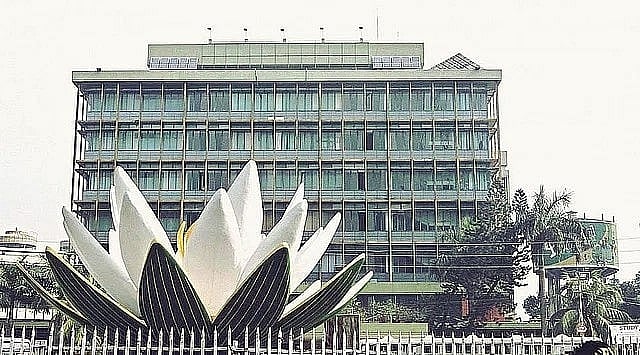
Bangladesh has initiated a significant overhaul of its revenue sector as part of ongoing negotiations for a new loan program with the International Monetary Fund (IMF). The reform agenda focuses on restructuring the National Board of Revenue (NBR) by splitting it into two distinct divisions: one dedicated to revenue policy and the other to revenue collection. This move is intended to modernize the tax administration and enhance the country's fiscal capacity.
In addition to the structural reorganization, the government is working on implementing a single value-added tax (VAT) rate and reducing tax exemptions, which were key conditions under the previous IMF loan arrangement. Preliminary discussions for the new $4.5 billion, three-year loan program have been ongoing for several months. Recently, a Bangladesh delegation led by Finance Minister Amir Khasru Mahmud Chowdhury met with IMF officials in Bangkok on the sidelines of the IMF-World Bank annual meetings to review the progress of these reform initiatives.

The previous loan program had set a deadline of December 2025 for the separation of policy and collection functions within the NBR. The government is currently navigating the administrative and legal complexities required to meet these stipulations. The primary objective of these reforms is to foster transparency in tax policy formulation and to minimize tax evasion, thereby increasing the national exchequer's revenue stream.
However, the path to reform is not without challenges. Policymakers are carefully weighing the potential impact of reduced tax exemptions and VAT adjustments on the business community and the broader economy. Transforming a massive institution like the NBR into a bifurcated structure requires careful planning to avoid operational disruptions.
Moving forward, the government is expected to present a detailed roadmap for these reforms to the IMF. Successful implementation of these measures is viewed as a critical step toward securing the new loan, which is essential for maintaining macroeconomic stability and bolstering Bangladesh's foreign exchange reserves. The outcome of these negotiations will likely dictate the pace of fiscal policy changes in the coming years.