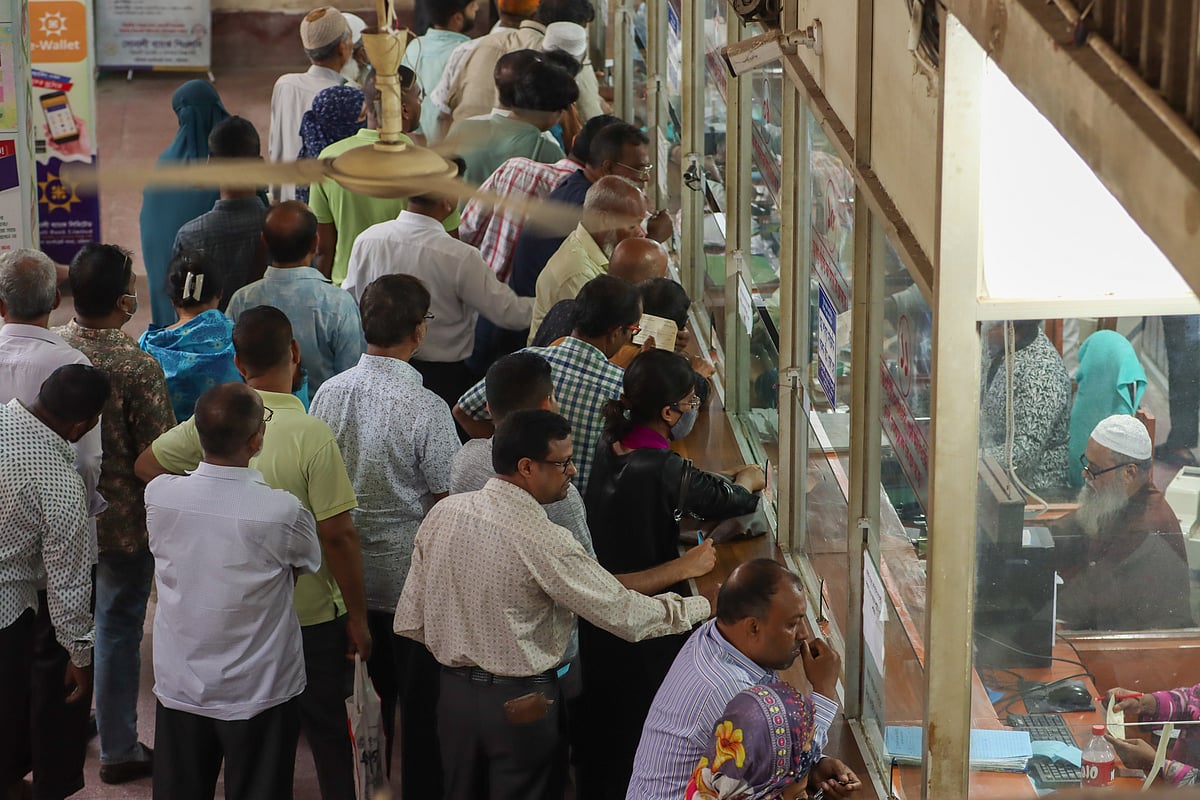

Chapainawabganj, a district in northern Bangladesh, holds immense potential as a hub for agriculture, cross-border trade, and commerce. Renowned for its mango production and equipped with vital infrastructure like land and rail ports, the district remains a sleeping giant in terms of industrialization. According to insights gathered by the Chitra Post desk, the region's industrial growth is currently being stifled by two primary factors: a severe lack of gas supply and prohibitively high bank interest rates.
Abdul Wahed, President of the Chapainawabganj Chamber of Commerce and Industry, highlights that the local economy is primarily driven by agriculture, remittances from nearly 90,000 expatriates, and border trade. The district contributes significantly to the national market, supplying mangoes worth approximately 3.5 to 4 billion BDT annually, alongside surplus production of rice and other crops. Despite these strengths, the transition from raw agricultural production to value-added industrial processing remains sluggish.

There is a massive, untapped opportunity for agro-processing industries. Beyond mangoes, the region produces significant quantities of guavas, dragon fruits, and bananas. If proper processing facilities were established, these products could be exported, generating substantial foreign currency. However, the absence of reliable gas connections and the burden of high interest rates discourage entrepreneurs from making long-term capital investments.
Small and medium-sized enterprises (SMEs) are particularly vulnerable to the current financial climate. The high cost of borrowing has pushed many local traders into a cycle of debt, increasing the risk of loan defaults. Business leaders argue that for industrialization to flourish, the government and financial institutions must intervene to lower interest rates and ensure a consistent supply of energy to industrial zones.
Ultimately, by leveraging its strategic geographical location and existing transport infrastructure, Chapainawabganj has the potential to become a major industrial powerhouse. Coordinated efforts between the public and private sectors are essential to overcome these structural barriers. Addressing these challenges is not merely a local necessity but a critical step toward fostering regional economic prosperity and creating sustainable employment opportunities for the youth of the district.