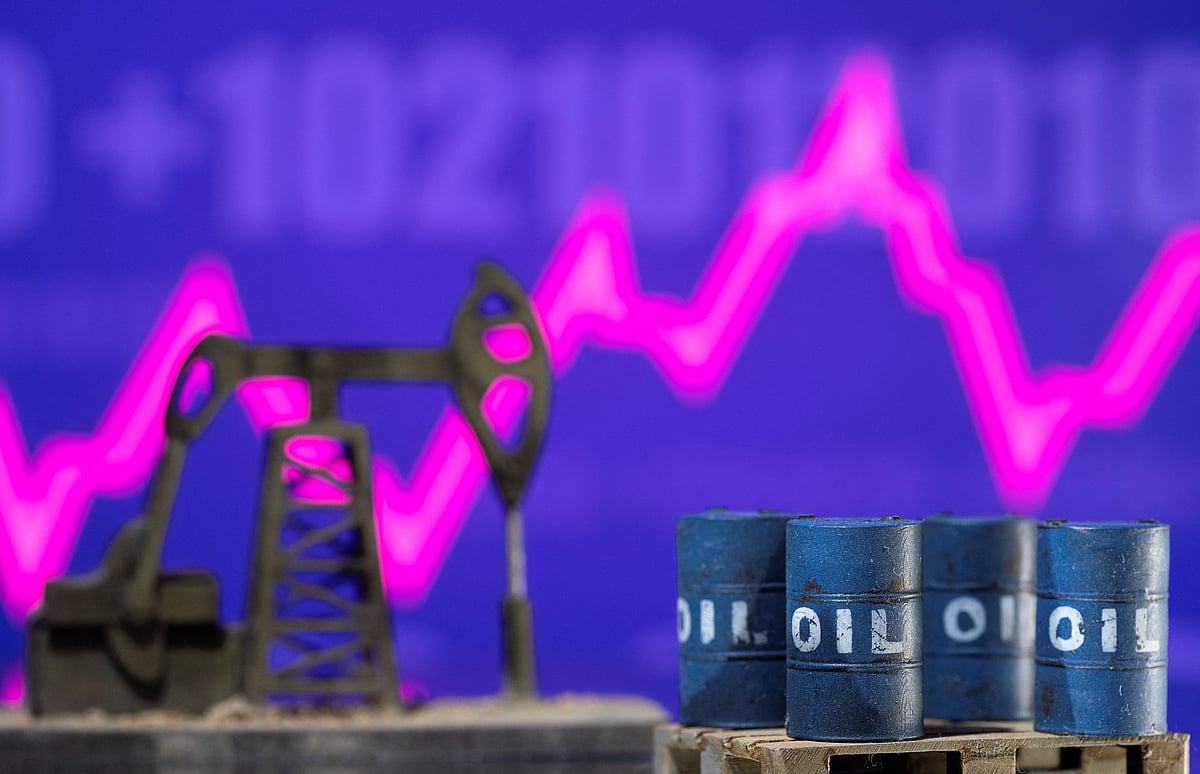
The global energy market is currently witnessing significant volatility as crude oil prices climbed to a six-month high this past Friday. Brent Crude surged by 3.1% to reach $116.72 per barrel, marking its highest level since April 29. Simultaneously, West Texas Intermediate (WTI) saw a 3.8% increase, settling at $103.27 per barrel. This sharp rise reflects the growing anxiety among global investors regarding potential military conflicts in the Middle East.
The primary driver behind this price surge is the escalating geopolitical tension between the United States and Iran. Recent rhetoric from US leadership and reports suggesting potential military actions following the midterm elections have created a climate of uncertainty. Iran’s military leadership has publicly stated that their forces are fully prepared for asymmetric warfare, further fueling fears of a supply chain disruption in one of the world’s most critical oil-producing regions.

Market data indicates that Brent Crude has risen by 6.2% over the past week, marking the third consecutive week of price hikes. The ongoing instability is compounded by persistent attacks from Iranian-backed Houthi rebels in Yemen targeting Saudi Arabian infrastructure. These developments have forced international stakeholders to reassess security protocols, with reports indicating that the US is already taking precautionary measures regarding its non-essential personnel in Saudi Arabia.
Economists warn that if these tensions remain unresolved, the sustained high cost of energy could trigger broader inflationary pressures globally. For many nations, the rising cost of imports poses a significant threat to economic stability. As the market remains closed over the weekend, investors are bracing for further fluctuations when trading resumes, with the global community closely monitoring diplomatic channels for any signs of de-escalation.