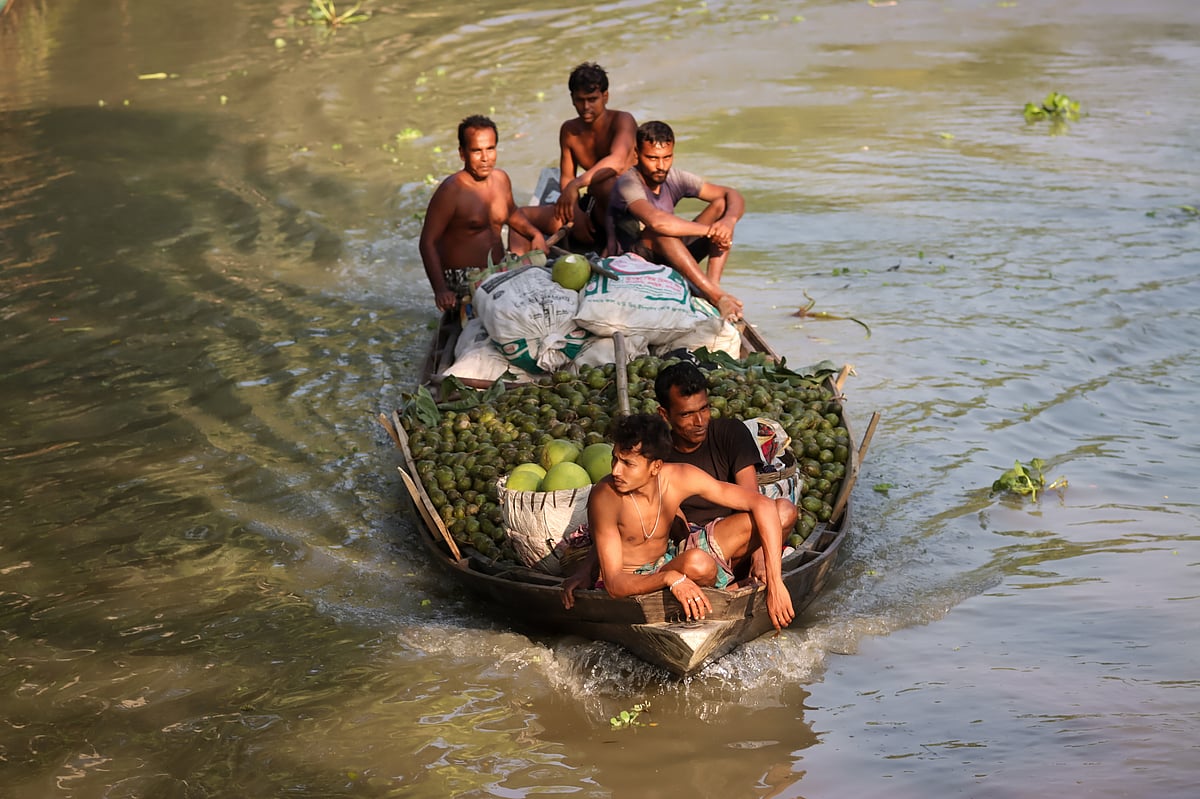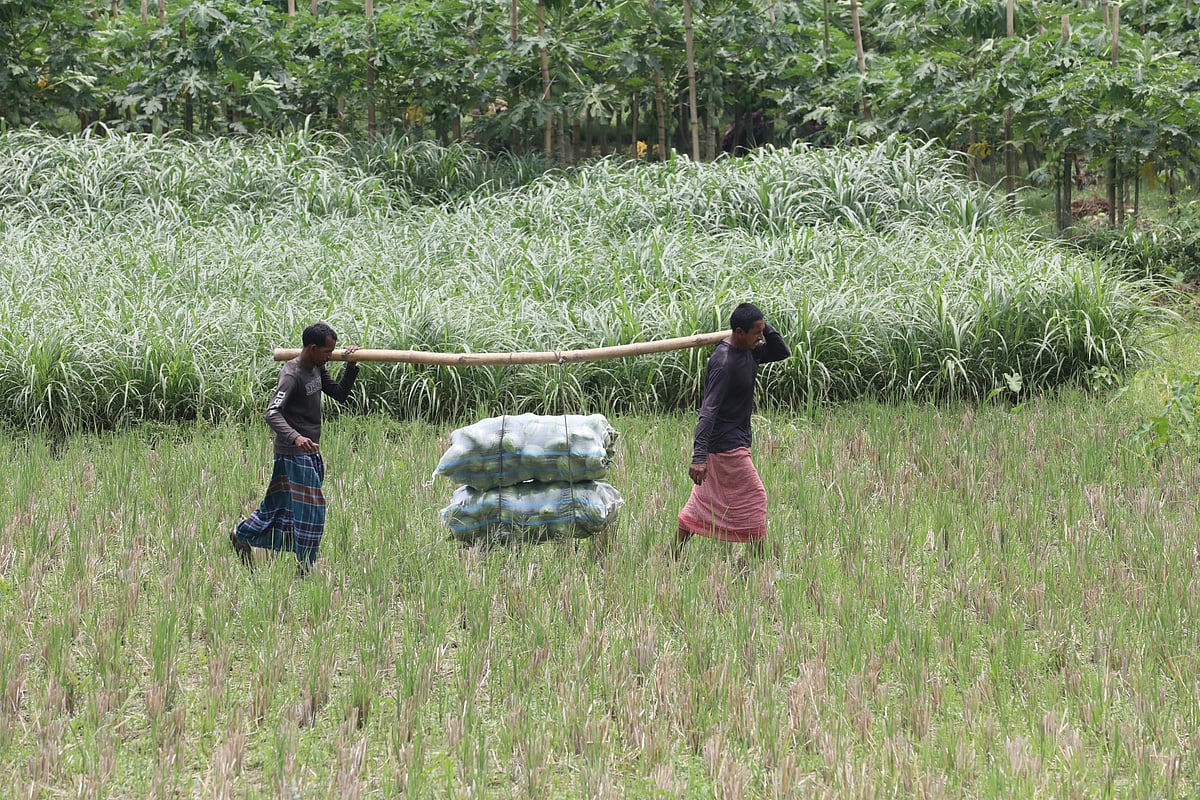
A substantial portion of Bangladesh's population continues to reside in rural areas, yet their aspirations and grassroots realities are frequently overlooked in mainstream development and policymaking discussions. Over the past two to three decades, the national economy has expanded, agricultural output has risen, and rural connectivity has visibly improved. Nevertheless, access to quality education, advanced healthcare, stable income sources, and reliable justice remains severely restricted for millions of rural citizens. This persistent gap transcends simple income inequality, touching upon the fundamental trust and participatory relationship between the state and its citizens.
Agriculture remains a vital pillar of Bangladesh's economic growth. Enhanced seeds, modern irrigation, mechanization, and the relentless hard work of farmers have driven record crop production. Paradoxically, increased output does not automatically translate into proportionate financial gains for farmers. Soaring production costs, the exploitative grip of middlemen, inadequate preservation and cold storage facilities, and limited bargaining power in the market consistently erode farmers' profit margins. Furthermore, progressive land fragmentation and demographic pressures make livelihood sustenance increasingly precarious for farming families.

Faced with these agrarian challenges, many rural youths perceive no viable future in farming and migrate toward urban centers. However, because major cities fail to generate sufficient high-quality employment for all arrivals, this demographic shift often precipitates socioeconomic vulnerabilities. While transitioning from an agrarian to an industrial and service-driven economy is a natural developmental phase, the state must ensure that the transition costs are not disproportionately borne by low-income rural populations. Anti-poverty initiatives, robust social safety nets, rural skill development, and localized employment generation must be treated not as isolated projects, but as a cohesive, integrated national strategy.
A major impediment to rural advancement is systemic corruption, weak supervision, and a deficit of accountability, which frequently prevent government welfare benefits from reaching intended beneficiaries. The daily interactions of rural citizens with union councils, local administration, lower courts, and law enforcement agencies are often marred by bureaucratic complications. Establishing grassroots good governance and empowering local government bodies are absolute prerequisites for achieving sustainable rural transformation.
Ultimately, integrating rural regions into the mainstream economy requires comprehensive institutional reforms alongside physical infrastructure development. Facilitating technical education for rural youth, encouraging women entrepreneurs, and ensuring easy-term microloans for cottage industries are vital steps. Simultaneously, curbing the influence of middlemen through direct producer-to-consumer market linkages is essential. A balanced, inclusive economic framework is the only viable pathway to permanently elevate living standards across rural communities.