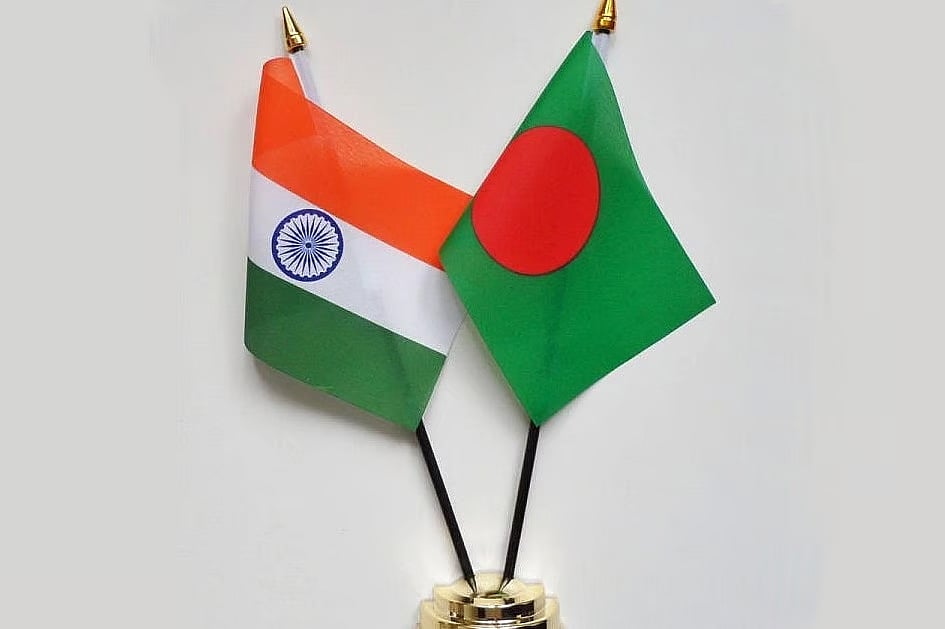
Bangladesh is on a trajectory to potentially surpass India in per capita gross domestic product (GDP), according to recent projections released by the International Monetary Fund (IMF). The forecasts, part of the IMF's World Economic Outlook, highlight the shifting economic dynamics in South Asia, suggesting that Bangladesh could lead in per capita terms by 2026. However, economic analysts note that despite this specific indicator, India continues to maintain a substantial lead in terms of total economic size, overall purchasing power parity, and broader macroeconomic growth rates.
According to the data published by the global financial institution, Bangladesh's per capita GDP is estimated to reach US$2,886, compared to India's projected figure of $2,749. This is not an unprecedented milestone; Bangladesh had previously overtaken India in per capita GDP back in 2020 before India subsequently regained the top position in the subsequent fiscal periods. These figures serve as a crucial benchmark for evaluating economic productivity relative to population size, though they do not tell the entire story of a nation's wealth distribution.

To understand this metric, economists explain that per capita GDP is derived by dividing the total value of all goods and services produced domestically within a country by its entire population. Crucially, this calculation excludes external revenue streams such as worker remittances and international export earnings, as these funds are generated outside the geographic boundaries of the nation. When economists calculate true per capita national income, these external sources are factored in alongside the domestic GDP to provide a more comprehensive picture of citizen earnings.
Despite the positive outlook in per capita GDP projections, Bangladesh's domestic economy currently faces considerable headwinds. The nation has been grappling with persistent high inflation rates and a noticeable deceleration in economic growth. Furthermore, the implementation of various structural reforms tied to international loan agreements has placed additional pressure on domestic policy planners, particularly regarding revenue collection and fiscal discipline. Financial experts emphasize that translating per capita GDP gains into tangible improvements in the daily lives of ordinary citizens will require targeted interventions to control inflation and stabilize market conditions.
Ultimately, the IMF projections provide a nuanced view of both countries' economic trajectories. While India leverages its massive aggregate economic scale and robust growth momentum to project regional influence, Bangladesh demonstrates resilience in productivity metrics relative to its population size. Moving forward, sustained economic stability for Bangladesh will depend heavily on successful domestic reforms, effective inflation management, and the enhancement of overall productivity across diverse industrial sectors.