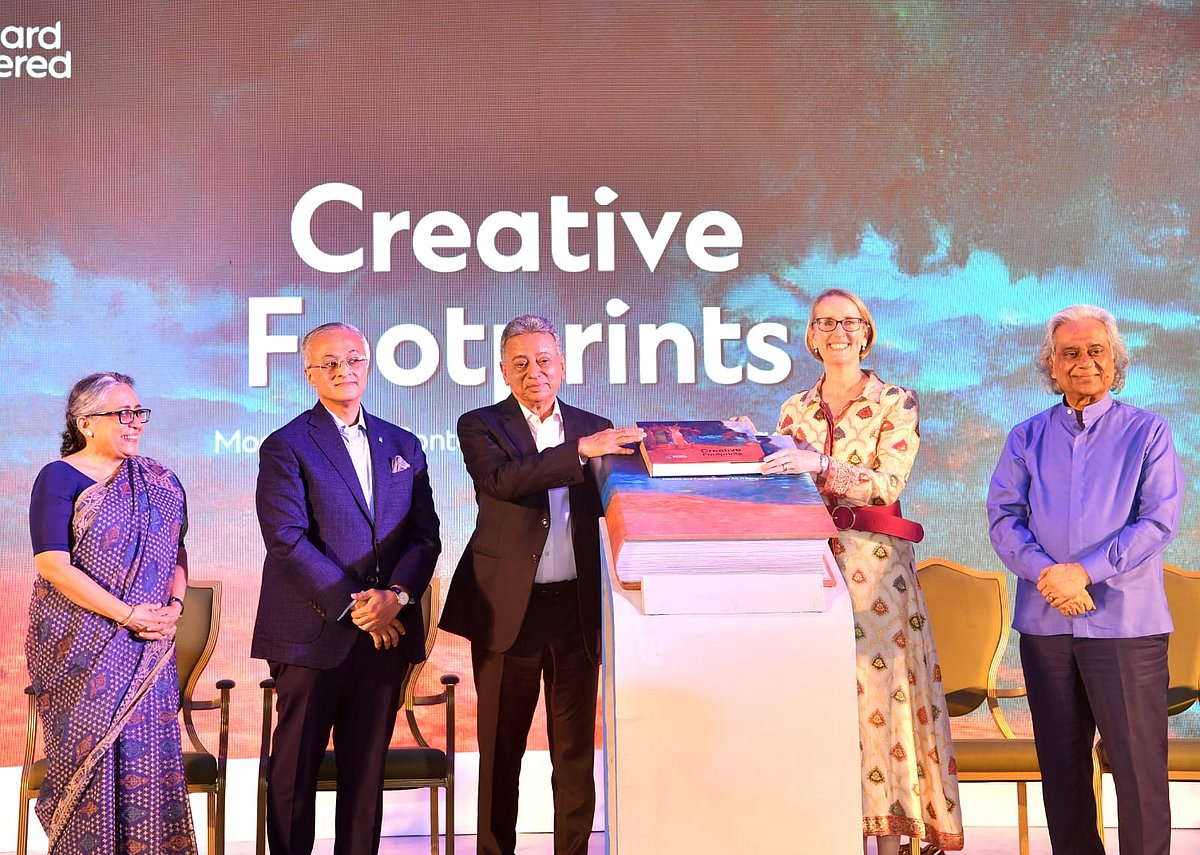
The current government is placing special emphasis on establishing the creative industry as an integral part of the mainstream economy to make the country's economic structure more dynamic and diversified. Through long-term planning and effective policy frameworks, the objective is to position this sector as a major contributor to the national GDP. Policymakers believe that fostering creativity is essential not only for cultural development but also for achieving sustainable economic prosperity.
Traditionally, the national economy has heavily relied on conventional sectors such as ready-made garments, agriculture, and remittances. However, with the changing global landscape, the scope of the 'creative economy' has expanded exponentially worldwide. Young entrepreneurs are increasingly engaging in fields such as information technology, handicrafts, cinema, fashion design, architecture, fine arts, and digital content creation. Harnessing this potential provides a remarkable opportunity for export diversification and the establishment of a knowledge-based economy.

Government officials have indicated that various measures, including easy-term loan facilities, modern training programs, and secured access to international markets, are under active consideration for creative entrepreneurs. In particular, the strict implementation and enforcement of intellectual property rights and copyright laws are deemed imperative to protect the interests of creators and artists. Furthermore, emphasis is being placed on international trade fairs and cultural exchanges to project domestic industries onto the global stage.
Providing proper guidance and patronage to the country's promising youth can enable them to bring about a revolution through the creative sector. This industry can play a highly fruitful role in eradicating unemployment and increasing the participation of female entrepreneurs. According to policymakers, institutional support and the infusion of modern technology will rapidly transform this industry into a robust pillar of the national economy.
Transforming the creative sector into a critical driver of GDP in the future requires coordinated efforts between the public and private sectors. With the successful implementation of appropriate action plans, it is anticipated that domestic culture will achieve global outreach while simultaneously accelerating the pace of economic growth.