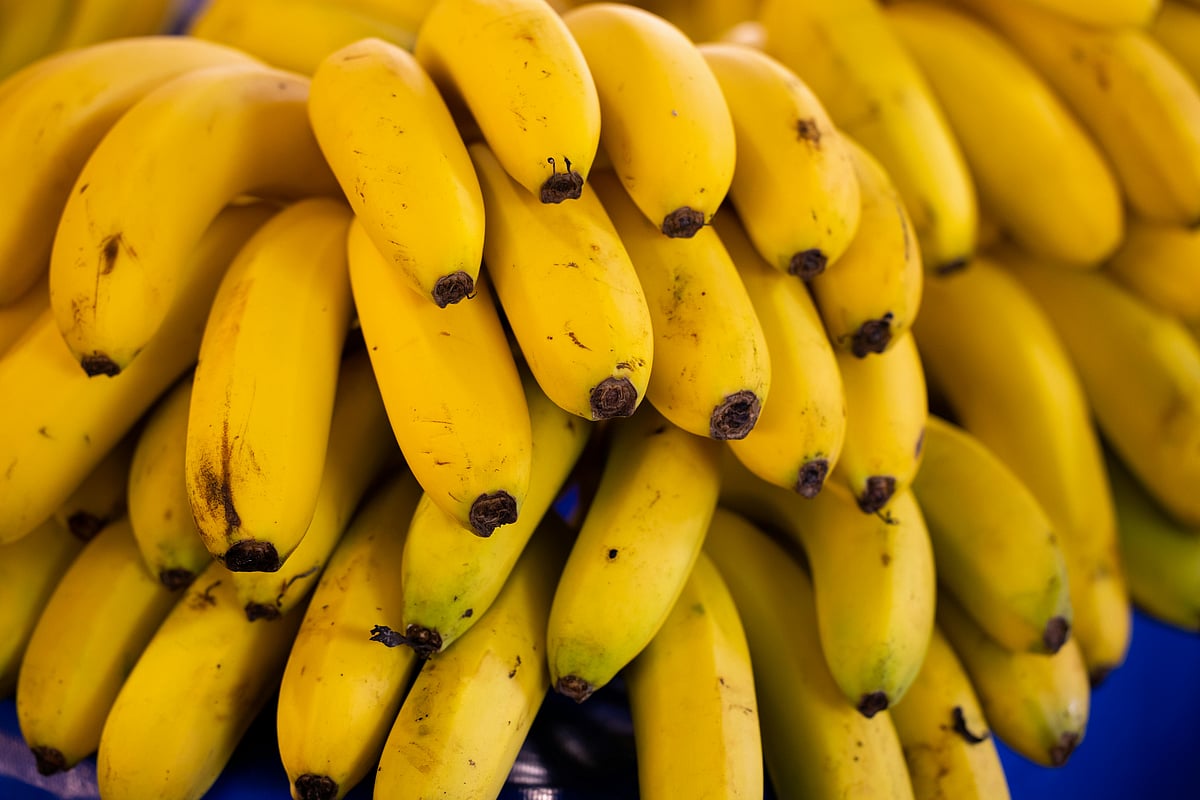
Bananas, the second most consumed fruit globally after tomatoes, are facing an unprecedented existential threat. With an annual production of approximately 139 million tons, the Cavendish variety dominates the global market. However, a combination of climate change and the aggressive 'Tropical Race 4' (TR4) fungal disease has placed this staple crop in a precarious position.
Historically, the industry is no stranger to such crises. In the 1950s, the 'Gros Michel' banana variety was wiped out by the Panama disease, leading to the rise of the Cavendish. The vulnerability of the Cavendish lies in its nature; as a sterile clone, it lacks genetic diversity. This means that if one plant is susceptible to a pathogen, the entire plantation is equally at risk. The TR4 disease has already spread from Southeast Asia to Australia, Africa, the Middle East, and Latin America.

Dr. Jose de Vega, a crop genomics expert at the Earlham Institute in Norwich, highlighted that the detection of TR4 in Ecuador—the world's largest banana exporter—in December 2025 was a major turning point. This development threatens not only global supply chains but also the food security and livelihoods of millions in tropical regions. From Guatemala to Malawi, countless farmers rely on banana cultivation for their daily income and sustenance, making the potential collapse of the industry a humanitarian concern.
Despite the grim outlook, researchers are pinning their hopes on advancements in breeding technology. By utilizing genomic research, scientists are working to develop new strains of the Cavendish that possess natural resistance to the TR4 fungus. These technological interventions are seen as the most viable path to preventing the extinction of the fruit.
In conclusion, the crisis facing the banana industry serves as a stark reminder of the fragility of our global agricultural systems. Addressing this issue requires more than just short-term fixes; it demands sustained investment in genetic diversity and climate-resilient farming practices. International cooperation and scientific innovation remain the only viable strategies to secure the future of this essential global commodity.