

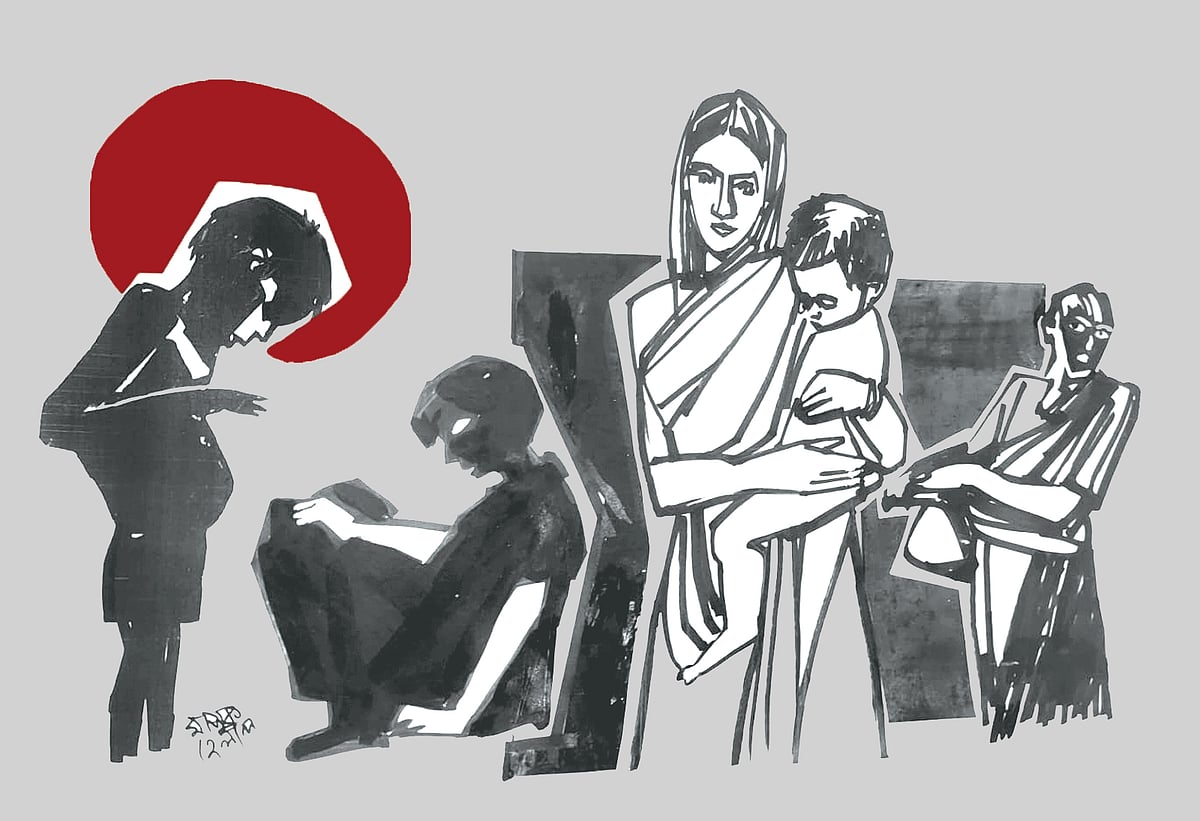
Sanitation is a fundamental human necessity, as critical as food and water. However, for the vast homeless population in Dhaka, this basic requirement remains a luxury. Those living on footpaths, near railway stations, or in open parks face immense challenges in maintaining privacy and hygiene. This situation is particularly dire for homeless women and adolescent girls, who are exposed to severe insecurity and health risks. The absence of designated, safe, and clean public toilets for this vulnerable group is a glaring failure in the city's urban planning.
The plight of children born and raised on the streets is perhaps the most concerning aspect of this crisis. Without a stable home, these children are deprived of education, nutrition, and proper care, making them highly susceptible to falling into cycles of crime and poverty. As a society, it is far more visionary to address the root causes of these vulnerabilities—such as lack of shelter and opportunity—rather than merely punishing the consequences of social neglect.

Urban development in Dhaka often overlooks the needs of the most marginalized. The areas under flyovers, near markets, and railway tracks have become makeshift homes for thousands. The lack of sanitation in these areas is not just a humanitarian failure but a significant public health hazard, as poor hygiene practices contribute to the spread of infectious diseases across the city. A truly inclusive city must prioritize the safety and dignity of every individual, regardless of their socio-economic status.
Bangladesh has already demonstrated remarkable humanitarian leadership on the global stage by providing shelter to over a million Rohingya refugees. It is, therefore, entirely within the nation's capacity to ensure basic housing and sanitation for its own homeless citizens. A coordinated effort between the government and civil society is essential to provide rehabilitation, healthcare, and educational opportunities for these individuals.
Ultimately, the issue of homelessness must be treated as a human rights priority rather than just a social inconvenience. To build a more humane and livable Dhaka, urban planning must shift toward inclusive development that guarantees safe housing and sanitation for all. Ensuring the dignity and security of those living on the streets is not just a moral obligation; it is a prerequisite for a sustainable and civilized urban future.


