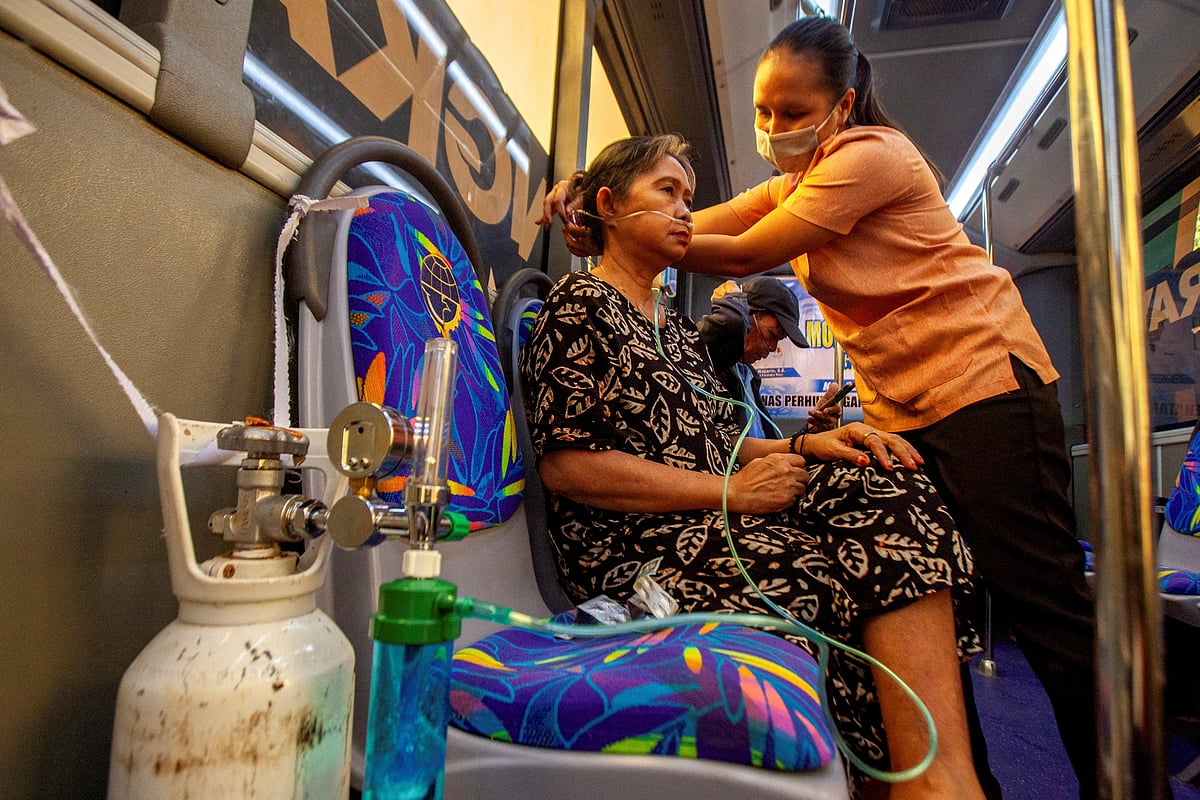
The medical treatment and rehabilitation process for the valiant fighters who sacrificed their health and safety during Bangladesh's historic July uprising have once again drawn urgent attention amid mounting concerns over bureaucratic red tape. Reports indicate that wounded revolutionaries undergoing treatment in various hospitals frequently encounter administrative delays and cumbersome paperwork. Although providing top-tier healthcare to these brave fighters is a moral imperative for the state and society, administrative complications often hinder emergency medical interventions.
Many of those who stood on the front lines against authoritarian crackdowns and suffered severe bullet injuries or brutal assaults remain in critical condition. While expert consultations, both domestically and abroad, are urgently needed, prolonged approval processes and bureaucratic file-shuffling often delay critical care. According to the families of the injured, bearing ongoing medical expenses has become financially impossible for ordinary households, yet they continue to face restrictive conditions and bureaucratic hurdles in accessing government assistance.

Medical experts emphasize that any delay in managing trauma and performing complex surgeries for the July fighters is extremely dangerous. Beyond physical injuries, many of these heroes are suffering from psychological trauma, which requires long-term holistic healing. Therefore, specialized medical boards should be immediately established to evaluate the specific health records of each injured individual, ensuring direct access to medical supplies and therapies without the hindrance of prior bureaucratic approval.
Various human rights organizations and student representatives have repeatedly urged the administration to resolve this crisis swiftly. Demands have been raised to establish a dedicated desk or special cell within hospitals treating the wounded, ensuring that decisions are driven by medical professionals rather than being stalled on bureaucrats' desks. In particular, strong demands have been made for the issuance of urgent administrative orders to streamline the disbursement of public funds and facilitate overseas medical travel whenever necessary.
Although the government and the Ministry of Health have repeatedly pledged to provide the highest standard of care, sluggishness remains visible at the implementation level. Analysts warn that failure to resolve this situation promptly would constitute a grave injustice to the spirit of the July uprising and the sacrifices made by the injured. The conscious citizenry and civil society overwhelmingly expect that all bureaucratic barriers will be dismantled to swiftly ensure the comprehensive treatment and rehabilitation of these national heroes.