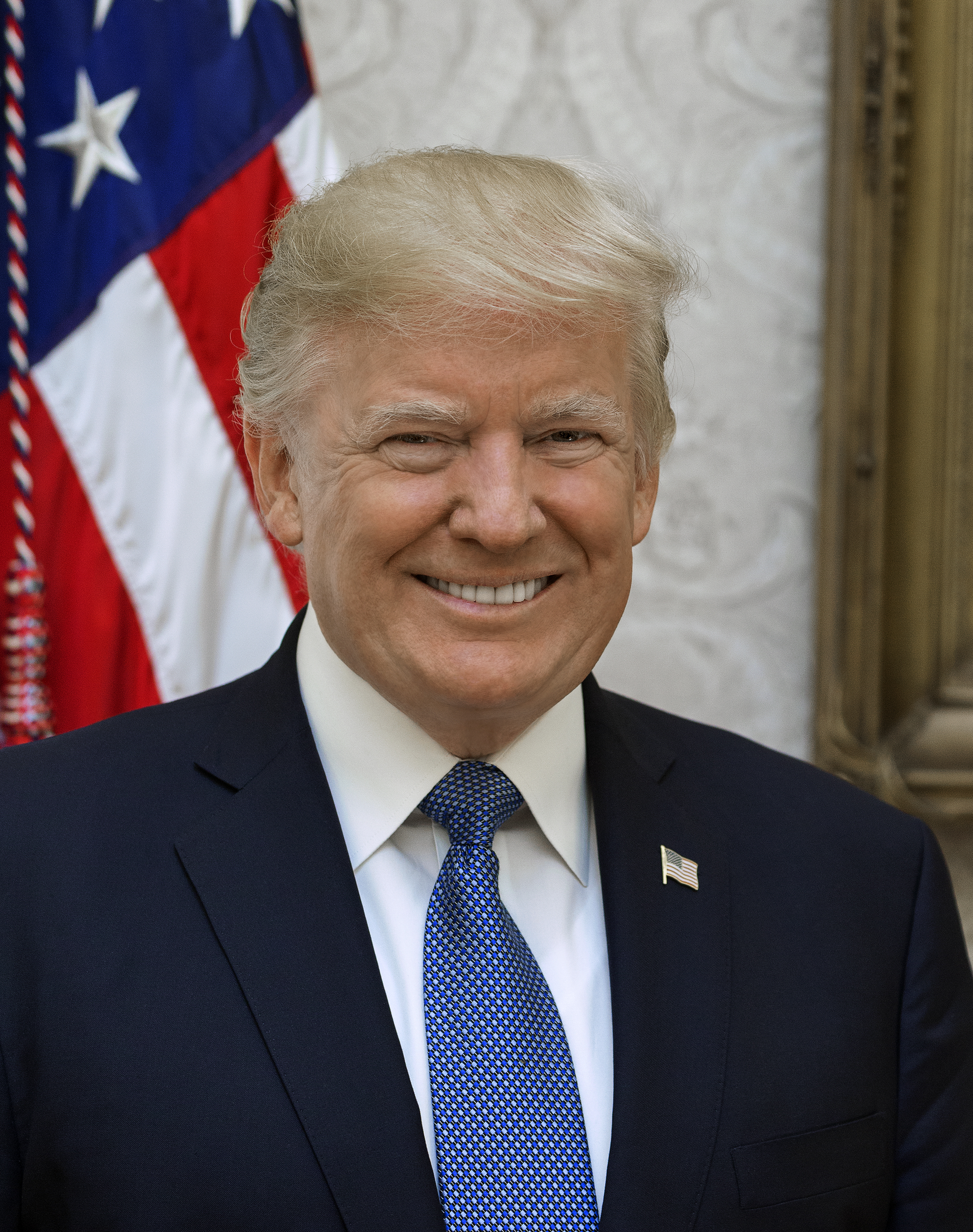
The American political landscape has been gripped by fresh tension following recent remarks by influential leader and former US President Donald Trump, who strongly hinted at a major military offensive against Iran immediately after the upcoming midterm elections. Trump's provocative stance quickly circulated through international media, generating widespread curiosity and concern worldwide. Given the longstanding hostility between Washington and Tehran, experts in international relations believe such rhetoric could further complicate an already volatile situation.
Analysts note that US midterm elections have always served as a critical turning point in domestic politics. Trump and his political camp are reportedly attempting to reshape the contours of their domestic and foreign policies centered around these elections. Iran has long remained the focal point of America's Middle East strategy. The deep-rooted trust deficit between Washington and Tehran, fueled by nuclear ambitions and regional dominance, has been further intensified by Trump's remarks. During his previous tenure, Trump notably imposed stringent economic sanctions and executed military maneuvers against Tehran.

Middle East researchers emphasize that Trump's statements should not be dismissed merely as election-year rhetoric. Tehran remains on high alert regarding these American threats, with its top leadership repeatedly warning in the past that any aggression would be met with a swift and decisive response. Concerns have resurfaced regarding the security of US allies and military installations across the Gulf region. Any potential conflict of this scale would not only impact bilateral ties but could also inflict far-reaching negative consequences on global oil supplies and international trade.
The trajectory of this unfolding situation largely depends on the outcome of the US midterm elections. If Trump and his allies manage to strengthen their positions within Congress, fears persist that they might adopt a more aggressive approach toward executing foreign policy objectives. Meanwhile, the international community continues to emphasize diplomatic resolutions to avert potential conflict. Organizations like the United Nations have urged both sides to exercise restraint. However, in the current geopolitical reality, Trump's sharp rhetoric has cast a shadow of uncertainty over the peace process in the Middle East.